Glutamine and “Leaky Gut” Claims: One IBS Trial Is Not a Universal Answer
Glutamine research includes a striking postinfectious IBS trial, but broader permeability evidence is mixed and commercial leaky-gut claims outrun the data.

A positive glutamine trial in a narrowly defined IBS subgroup does not validate glutamine for every symptom labeled as leaky gut.
The biology behind the sales pitch
Glutamine is an amino acid used by many tissues, including cells in the intestinal lining. That real physiology is often expanded into a much larger commercial story: that modern life depletes glutamine, the gut becomes 'leaky,' and a powder can repair a broad list of digestive, immune, skin, and mood symptoms. The scientific evidence is more specific than that narrative.
Intestinal permeability can be measured in research with methods such as urinary sugar tests, but results depend on the protocol and condition being studied. Increased permeability occurs in several illnesses and can be a marker, contributor, or consequence. It is not a stand-alone diagnosis that can be established from bloating, fatigue, food reactions, or an online symptom quiz.
Glutamine is also present in ordinary protein-containing foods and is produced by the body. A supplement dose used in a clinical trial can be much larger than dietary exposure. Therefore, the fact that glutamine is natural or physiologically important does not establish that extra grams improve symptoms in an otherwise unselected person.
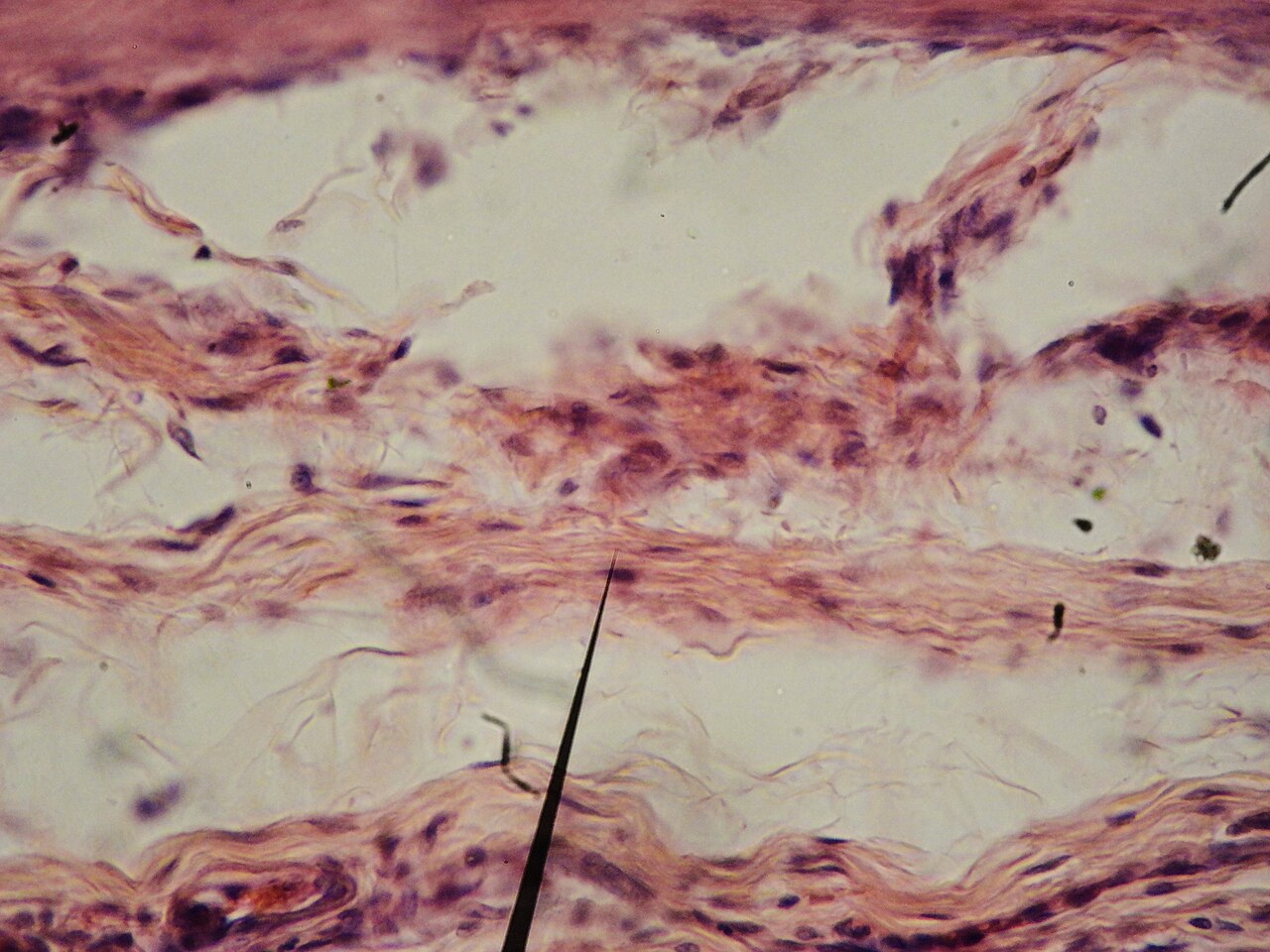
The frequently cited postinfectious IBS trial
A randomized, double-blind, placebo-controlled trial studied adults who had diarrhea-predominant IBS after an intestinal infection and documented increased intestinal permeability. Participants received glutamine or placebo for eight weeks. The glutamine group had a much higher rate of the prespecified symptom response and improvements in stool frequency, stool form, and the study's permeability measure.
The result is clinically interesting, but the eligibility criteria are crucial. These were not all people with IBS and certainly not everyone with nonspecific digestive complaints. They had postinfectious IBS-D plus an abnormal permeability test. The trial authors called for larger randomized studies to validate the findings and explore mechanisms.
A product advertisement may quote the response rate while omitting the narrow population, dose, monitoring, and need for replication. Applying the result to constipation-predominant IBS, inflammatory bowel disease, food intolerance, or general wellness is an extrapolation—not a finding from that trial.
The broader evidence is mixed
A 2024 systematic review and meta-analysis combined randomized placebo-controlled trials of oral glutamine and gut permeability in adults with different health conditions. Across the included studies, glutamine did not significantly change permeability overall. Subgroup analyses suggested effects under some high-dose and short-duration conditions, but small subgroups and varied populations limit confidence.
That contrast is instructive. A targeted subgroup can show a strong result while a broader collection of studies does not show a consistent overall effect. It may mean that condition, dose, duration, baseline status, or measurement method changes the response. It may also mean early striking findings will shrink when replicated.
Systematic reviews are valuable because they expose heterogeneity, but they do not make unlike trials identical. Consumers should look past the word 'meta-analysis' and examine who was studied, whether participants were critically ill or generally healthy, which permeability test was used, and whether symptoms improved along with a laboratory marker.
A safer interpretation for supplement decisions
Do not use a supplement trial to self-diagnose postinfectious IBS or intestinal hyperpermeability. Persistent diarrhea deserves evaluation for infection, celiac disease, inflammatory disease, medication effects, and other causes. Blood in stool, fever, dehydration, anemia, weight loss, severe pain, or nighttime symptoms are reasons to seek medical care promptly.
Glutamine can add a meaningful nitrogen load, and concentrated powders may cause gastrointestinal symptoms. People with liver or kidney disease, cancer treatment, pregnancy, or complex medical care should consult their clinician before using high-dose amino acid supplements. Product quality and actual grams per serving also matter.
The balanced conclusion is that glutamine has a plausible intestinal role and promising evidence in one carefully defined postinfectious IBS-D population. Evidence does not support turning 'leaky gut' into a universal explanation or glutamine into a universal repair. A useful claim should specify the population, outcome, dose, and uncertainty rather than relying on a catchall label.
Sources & further reading
This article provides educational information. Ask a qualified clinician or pharmacist about your symptoms, medical conditions, medicines and supplement interactions.