Kava for Stress: Digestive Upset Is Minor Compared With the Liver Question
Kava may reduce anxiety in some studies, but digestive upset, sedation, product variability, interactions, and rare severe liver injury shape the risk.
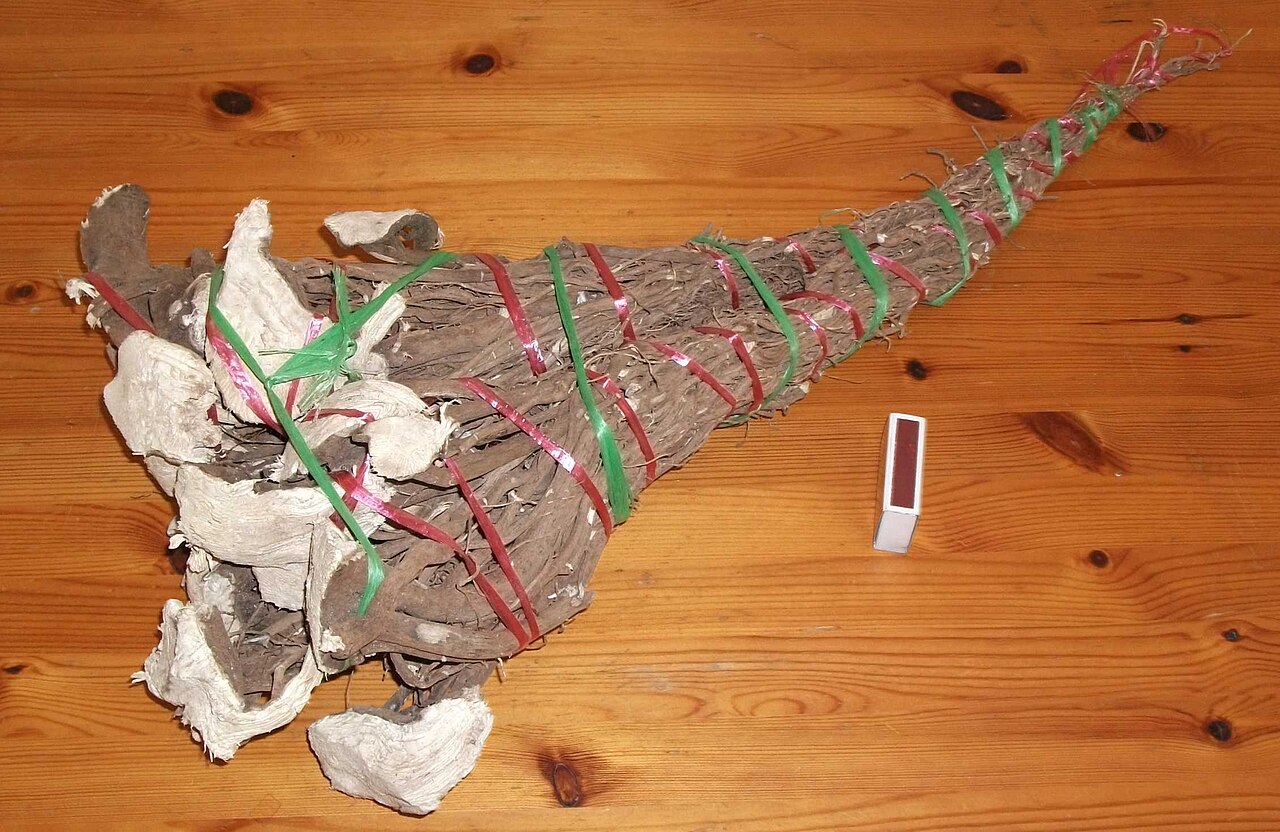
Kava's possible anxiety benefit must be weighed against product variability, sedation, digestive effects, and rare but potentially severe liver injury.
Kava is a preparation, not one uniform ingredient
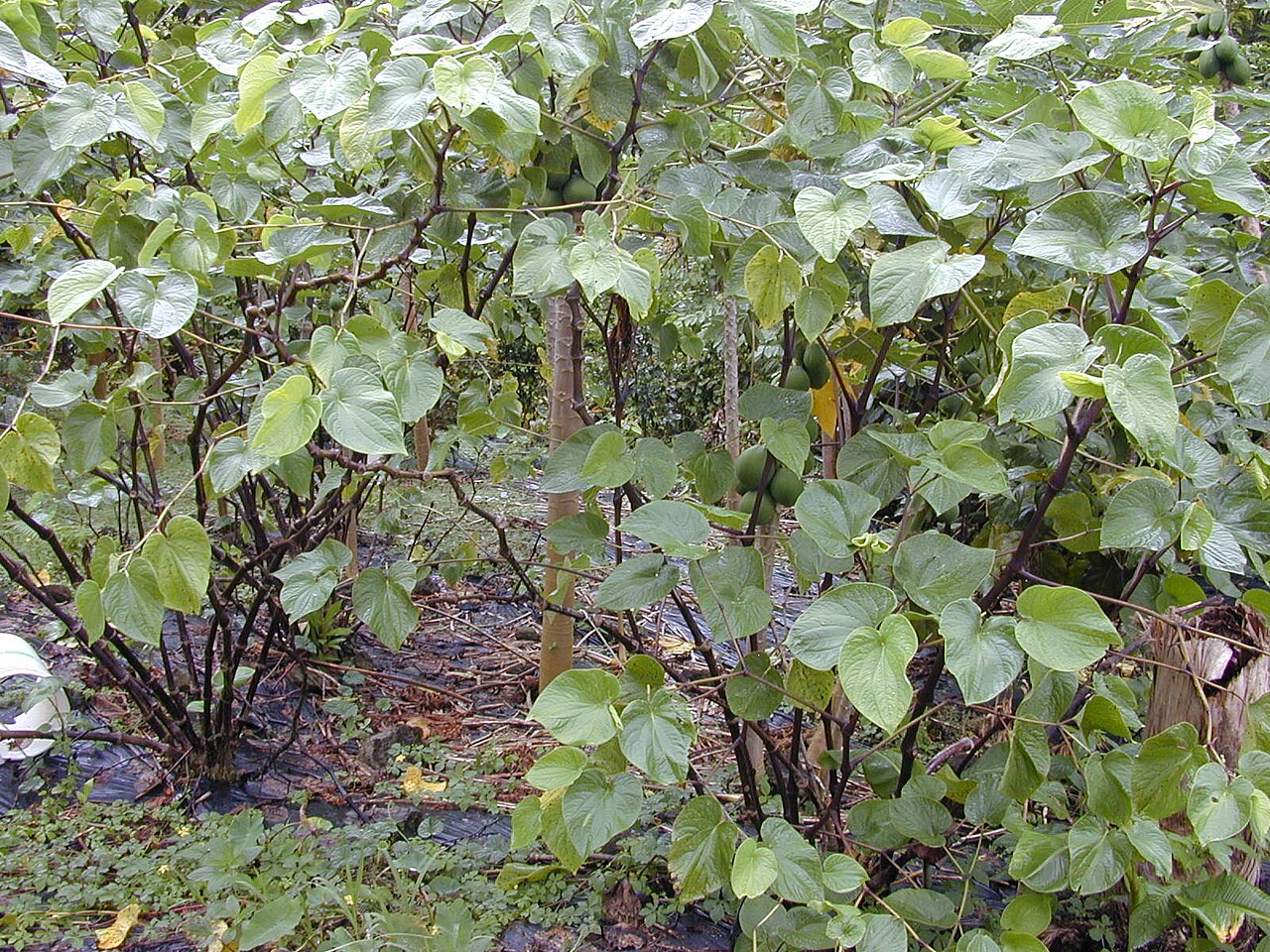
Kava comes from Piper methysticum and has a long history of beverage use in Pacific cultures. Modern supplements may use water, ethanol, acetone, or other extraction methods and different plant parts or cultivars. Those choices change the kavalactone profile and possibly safety.
NCCIH says kava supplements may help anxiety but may require several weeks to have an effect. It also says kava does not appear helpful for generalized anxiety disorder and that evidence for other conditions is insufficient.
A product sold for stress is not automatically a sleep aid, and sedation is not the same as restorative sleep. Concentrated capsules also should not be assumed equivalent to traditionally prepared beverages.
Digestive symptoms are the visible warning
NCCIH lists digestive upset, headache, and dizziness among kava's side effects. Nausea or abdominal discomfort can appear early and may be blamed on stress rather than the new supplement.
Long-term high-dose use can cause kava dermopathy, with dry scaly skin, red eyes, and temporary yellow discoloration of skin, hair, or nails. Yellow skin must also raise concern for jaundice until liver injury is excluded.
A multi-herb calming blend complicates attribution. Alcohol, valerian, cannabis products, antihistamines, or prescription sedatives can amplify impairment even if each product seems modest alone.
Rare liver injury dominates the safety decision
Various kava products have been linked to rare liver injuries, including severe and fatal cases. Early reports often involved alcohol- or acetone-extracted products, but cases have also occurred with water-prepared beverages.
Proposed explanations include unsuitable cultivars, use of inappropriate plant parts, contamination, alcohol combination, high or prolonged intake, and genetic susceptibility. No label can guarantee that a user is not susceptible.
Stop immediately and seek care for dark urine, jaundice, pale stool, persistent nausea, unusual itching, right-upper-abdominal pain, or severe fatigue. Waiting for a stress benefit is not reasonable when liver-warning symptoms appear.

A cautious decision framework
Kava should not be combined with alcohol, benzodiazepines, or other sedating substances. People with liver disease, abnormal liver tests, pregnancy, breastfeeding, planned surgery, or multiple medicines should avoid self-directed use and obtain medical advice.
If a clinician approves a short trial, choose a product that identifies plant part, extraction method, kavalactone amount, and independent testing. Define the anxiety outcome, duration, and stop rules before starting.
Stress and insomnia can have treatable medical and psychological causes. Kava is not a low-stakes relaxation tea when concentrated into a supplement. The potential benefit must be specific enough to justify both immediate impairment and an uncommon but serious liver risk.
Recent trials reinforce the uncertainty
A randomized placebo-controlled trial published in 2013 reported benefit from a water-based kava extract in generalized anxiety disorder, but later work has not produced a consistent result. A larger 16-week trial published in 2020 found that its tested extract was not effective for diagnosed generalized anxiety disorder.
Older systematic reviews suggested that some standardized extracts reduced anxiety symptoms, but product preparation and trial quality varied. Positive average results from older extract studies do not neutralize modern liver-safety concerns or prove that a beverage sold today matches the tested material.
This mixed history is a reason to avoid absolute statements in either direction. Kava is neither proven harmless because it is traditional nor proven useless because one trial was negative. The decision must remain formulation-specific, time-limited, and safety-centered, with evidence-based anxiety care available if symptoms persist.
Stop and seek medical advice for yellowing skin or eyes, dark urine, unusual fatigue, persistent nausea, or upper-abdominal pain. Those symptoms are not proof of liver injury, but continuing a nonessential supplement while they are evaluated adds avoidable risk.
Drowsiness, slowed reaction time, or dizziness also matter before driving or operating equipment. Combining kava with alcohol, sedatives, or other substances that impair alertness can compound those effects even when the stomach feels normal.
Sources & further reading
This article provides educational information. Ask a qualified clinician or pharmacist about your symptoms, medical conditions, medicines and supplement interactions.