Liva Flirty Time Review: A Closer Look at the Gummy, Botanical, and Digestive Fit
Review Liva’s women’s wellness gummies through a digestive-health lens, including the current ingredient list, ashwagandha evidence, and buying terms.
Liva combines an approachable flavored gummy with ashwagandha and nutrients. The best fit depends on the confirmed label and individual tolerance; its intimate-wellness concept is distinct from a proven digestive-health benefit.
A women’s wellness gummy worth reading closely
A gummy can make a supplement feel more approachable, especially when the subject is as personal as intimate well-being. Liva Flirty Time combines a strawberry-peach flavor concept with ashwagandha and a cheerful women-focused presentation. For someone who dislikes capsules or complicated preparations, its ready-to-chew format is a practical attraction. It offers a convenient way to explore an optional wellness product without mixing powders or measuring liquids.
For Gut Health Observer readers, the useful angle is what the formula actually contains and how it might fit an individual digestive routine. Liva is marketed around women’s sexual wellness, relaxation, and desire support. It is not established here as a probiotic, a microbiome treatment, an IBS remedy, or a product that improves digestion. This review examines the current label, the human botanical evidence, and the purchase details so the gummy’s genuine conveniences can be considered without borrowing unproven gut-health claims.

Start with the complete ingredient picture
The current official Supplement Facts graphic lists ashwagandha root at 25 mg, zinc as citrate at 2 mg, and vitamin D2 at 100 mcg, equivalent to 4,000 IU. Those amounts are the starting point for this product, rather than a general description of any ashwagandha supplement. The catalog’s “25mg” wording corresponds to the botanical amount shown in the graphic. The current checkout identifies a pack as 30 gummies.
The other ingredients are glucose syrup, sugar, glucose, pectin, citric acid, sodium citrate, natural strawberry flavor, vegetable oil with carnauba wax, and spinach powder. That supporting list matters for a shopper whose interest extends beyond the headline botanical. It helps describe the gummy’s structure and flavor system, though it does not disclose every manufacturing or cross-contact detail. Someone with a food allergy or a strict dietary requirement should obtain the current complete bottle label and ask specific questions rather than infer suitability from a short flavor description.
Pectin explains the format, not a microbiome outcome
Pectin is the plant-derived gelling agent named in Liva’s ingredient list. Its presence helps explain how the product takes a chewable gummy form, which may appeal to someone who prefers that texture. It does not show that the gummy contains a clinically meaningful fiber amount or has been tested for an effect on gut microbes. An ingredient’s use as a food component and a product’s demonstrated health outcome are separate matters.
This distinction is especially useful in a category where ordinary ingredients are sometimes given expansive prebiotic narratives. The current listing does not provide evidence that Liva changes a microbiome profile, increases a beneficial bacterial population, or treats a digestive symptom. No such promise is needed to appreciate the format. A pectin-based gummy can be an enjoyable delivery choice on its own. For people comparing dietary patterns or certifications, plant-derived pectin also does not independently establish that the finished product has a verified vegan status or meets every individual restriction.
The nutrition panel needs confirmation
The official graphic reports 10 calories, 2 g of total carbohydrate, and an “includes 4g added sugars” statement. Because added sugars cannot exceed the total carbohydrate for the same serving, these figures need clarification. The graphic also does not visibly display a formal serving-size line. A corrected, legible bottle panel would make the nutrition contribution easier to compare with other gummies or an unsweetened supplement format.
Until that is available, this review cannot verify an exact sugar amount from the contradictory online numbers. That is a practical information gap for someone managing carbohydrate intake or assessing a sensitive digestive routine. It is not a reason to guess that the product is sugar-free, low sugar, or a high-fiber food. Flavor and enjoyment can be legitimate priorities, but a confident purchase depends on accurate information. Ask for the complete current label rather than relying on whichever displayed number seems most convenient for the comparison.
Ashwagandha is the ingredient behind the wellness story
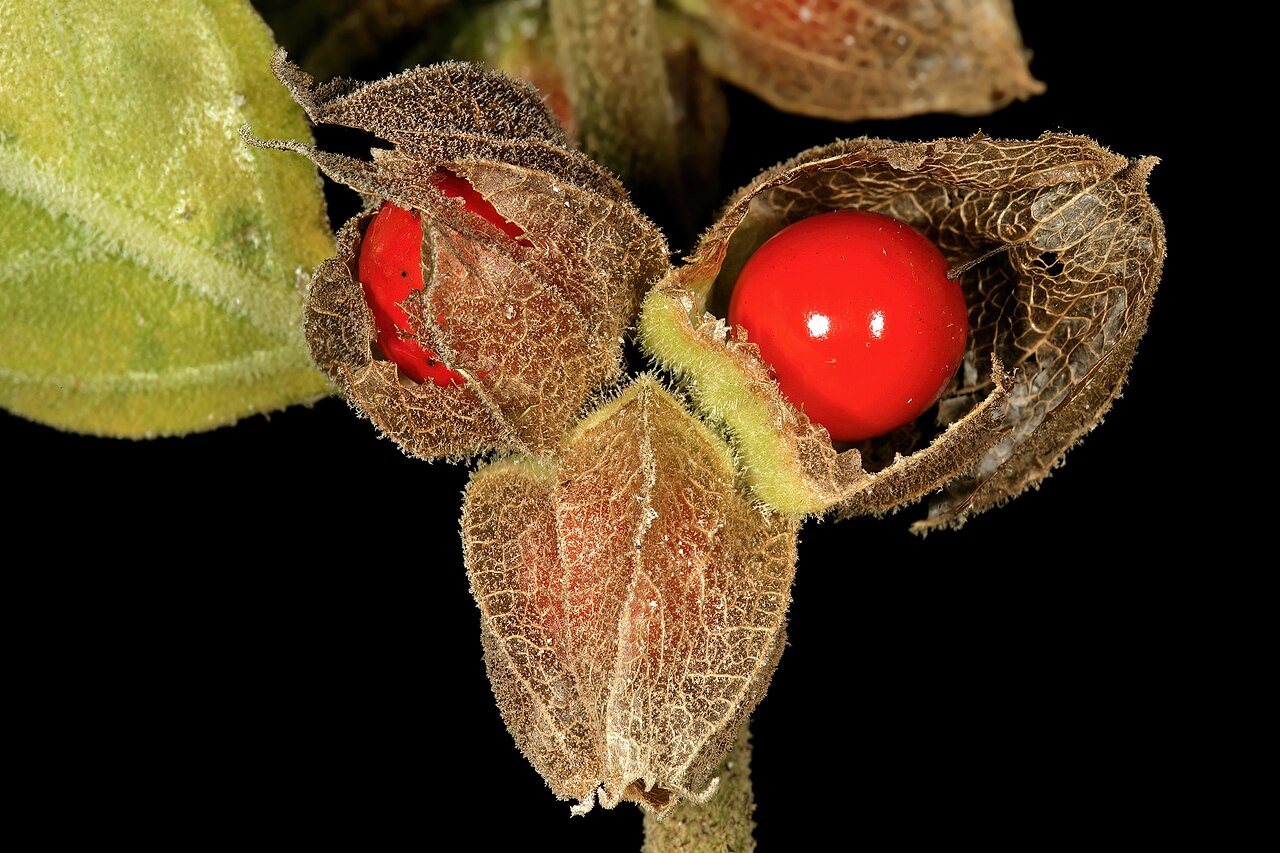
Withania somnifera, commonly called ashwagandha, has been studied in different root and root-and-leaf preparations. NIH reviews describe some promising short-term findings for stress and sleep, while noting variation in dose, composition, and study size. That research gives a relaxation-oriented women’s wellness product a reasonable botanical rationale to investigate. The plant is more than a fashionable name, but the exact preparation still determines how relevant a study may be.
Stress and digestion are often discussed together, yet that broad connection does not establish a product-specific gut-brain benefit. A woman may feel that stress affects both her comfort and her interest in intimacy, but the same observation can have many explanations. Liva has not been shown here to treat stress-related digestive symptoms or to improve sexual well-being by changing intestinal microbes. The positive research direction is more limited: certain ashwagandha preparations have human evidence worth reading, and some studies have directly assessed women’s sexual-function experiences.
What the female trials add to the discussion
A randomized 2015 pilot studied 50 women for eight weeks, comparing concentrated root extract with placebo while both groups received counseling. Overall sexual function and several domains favored the extract, including arousal, lubrication, orgasm, and satisfaction. The desire outcome did not significantly outperform placebo in the corrected analysis, and pain also did not meet that corrected threshold. This makes the study more useful than a broad claim that one ingredient fixes every intimate concern.
A 2022 randomized trial of 80 women also reported favorable overall sexual-function and sexual-distress findings with root extract. Its detailed Table 2 showed no significant between-group desire change at eight weeks, despite wider wording in the abstract. These are encouraging signals for further research into women’s well-being. They are not microbiome trials, absorption studies, or trials of the finished Liva gummy. They do not demonstrate that a digestive mechanism caused the changes. Keeping the measured outcomes in view helps preserve the value of the positive findings without expanding them into unrelated claims.
The current amount differs from the studied extracts
Both female trials used 300 mg of KSM-66 root extract twice daily for eight weeks. The present Liva graphic lists 25 mg of ashwagandha root. A gummy and a capsule can both deliver ingredients, but the delivery format alone does not establish equivalent absorption, potency, or clinical results. There would need to be evidence for the exact preparation and amount to bridge that gap. No such finished-formula trial was identified in the sources examined.
The displayed standardization also needs clarification. The graphic pairs 3% withanolides with a bracketed 1.5 mg amount beside 25 mg of root; 3% of 25 mg is 0.75 mg. A current specification or batch analysis would help determine the intended information. Taking extra gummies is not an appropriate way to imitate a research dose. That changes the exposure to vitamin D and every supporting ingredient, and it still does not recreate the study preparation. Digestive tolerance is another reason that more should not be assumed to be better.

Individual tolerance is part of the decision
NCCIH notes that ashwagandha can cause stomach upset, diarrhea, and vomiting in some people, as well as drowsiness. These are known ingredient-level considerations, not a prediction that every Liva user will experience symptoms. A person with a sensitive digestive history may reasonably want to review the full formula and ask a professional whether it fits existing conditions and medicines. “Natural” does not mean the ingredient has no physiological effects.
It is also unhelpful to assume that discomfort is a necessary sign that a supplement is working or that symptoms should be endured to reach a promised benefit. Persistent or concerning symptoms deserve appropriate attention. A wellness routine should feel compatible with everyday life. Liva’s convenient format can be an attraction, but tolerability is personal and has not been established for every digestive condition. Reading the exact ingredient list and recognizing possible effects is a more useful approach than relying on a general claim that gummies are always gentler than capsules.
Vitamin D deserves a separate look
The label’s D2 form is ergocalciferol, a recognized vitamin D ingredient. Vitamin D supports calcium absorption and normal bone and muscle function. Those are genuine nutritional roles, but they do not make this gummy a proven digestive treatment or establish that higher intake improves intimate well-being. A nutrient’s importance to normal physiology should not be confused with proof that extra supplementation produces a specific marketed result.
At 100 mcg or 4,000 IU, the displayed amount equals the NIH adult upper daily intake level. That ceiling applies to routine total intake from food, beverages, and supplements and is not the usual recommended amount. Someone already using vitamin D, a multivitamin, or a clinician-directed nutrient plan should review the combination before adding Liva. Digestive conditions and medicines can also affect nutrient management, making an individualized discussion more useful than assuming the same formula suits everyone. Increasing the gummy count would raise this nutrient amount along with the botanical.
When personal circumstances change suitability
NCCIH advises avoiding ashwagandha during pregnancy and not using it while breastfeeding. Thyroid and autoimmune conditions, liver concerns, upcoming surgery, and medicines with interaction potential also deserve a professional review. Rare liver injury has been reported with ashwagandha supplements, and longer-term safety is less certain than the short-term experience in small trials. These are material facts for a woman considering a new botanical, even when the packaging feels lighthearted.
Medicines for diabetes or blood pressure, sedatives, thyroid medicines, and treatments affecting immune function are among the categories that can matter. A pharmacist can compare the complete bottle panel with an existing list rather than assess the product from its name alone. This is especially useful when multiple supplements have accumulated over time. The aim is a simple routine that makes sense as a whole. Liva’s attractive format is most valuable when it is paired with a clear understanding of personal fit, not an assumption that a gummy needs no review.

A relaxed use concept should stay low pressure
The directions next to the facts graphic suggest one gummy 30–60 minutes before intimacy or when relaxation, mood, and desire support is wanted. That is an uncomplicated use idea, which may appeal to someone who values flexibility. The main page also directs users to follow the bottle label. The timing statement should be read as seller guidance, rather than evidence that the finished product produces an immediate sexual response.
The cited female trials assessed repeated use over eight weeks. They do not demonstrate a rapid effect after one gummy or a predictable outcome for a particular evening. A woman may enjoy the flavor and the ritual while deciding that no further activity is wanted. A supportive routine should leave room for that choice. If pain, dryness, or a sudden distressing change is the main concern, a broader clinical discussion may be more useful than experimenting with timing. A supplement should remain an option, not an obligation or a test of personal responsiveness.
Quality information is strongest when it is specific
The seller describes cGMP manufacturing, U.S. production, and third-party testing for identity, purity, potency, and contaminants. Those are useful objectives for a product containing a botanical. Asking for a certificate of analysis tied to the exact product and lot would make the statements more concrete. This review did not independently verify a batch certificate. Laboratory imagery should therefore be understood as context for the evidence discussion, not proof that a particular scene depicts Liva testing.
FDA does not preapprove dietary supplements for safety and effectiveness before marketing. A facility’s registration is not an agency endorsement of a sexual-health benefit. Clear documentation can still be valuable: it helps a shopper evaluate what is in the bottle and whether it matches the declared specification. That is particularly relevant when the online label contains numerical inconsistencies. A friendly product concept and good analytical documentation can complement each other, but one should not be asked to stand in for the other.
Current offers and our overall view
The catalog lists one pack for $79.95, two for $139.95, and three for $179.95. The product-specific one-pack checkout describes a subscription: $79.95 now, first renewal 28 days after ordering, then the same selected bundle every 28 days thereafter with free shipping. Cancellation is described as available through customer support without cancellation fees or penalties. Read the selected bundle’s exact renewal total before choosing a larger order. The product page’s 30-day guarantee differs from the 90-day wording at checkout and on the returns page, so confirm the applicable written conditions.
Liva’s strongest appeal is a convenient, enjoyable women’s wellness format with a botanical that has encouraging early sexual-function research. For Gut Health Observer readers, the right decision also accounts for the full ingredient list, accurate nutrition information, individual tolerance, and total vitamin D. It should be chosen for its actual intimate-wellness concept rather than an assumed microbiome benefit. With those details clarified, a suitable adult shopper may find the gummy an approachable option to explore as part of a routine that respects both enjoyment and digestive comfort.
Sources & further reading
- Liva Flirty Time: current official product listing ↗
- Current official Supplement Facts and directions graphic ↗
- Liva product-specific checkout and subscription terms ↗
- Shop UltraCore return policy ↗
- Dongre et al.2015: randomized pilot of ashwagandha root extract and female sexual function ↗
- Ajgaonkar et al.2022: randomized trial of ashwagandha root extract and female sexual health ↗
- NIH Office of Dietary Supplements: Ashwagandha, health professional fact sheet ↗
- NCCIH: Ashwagandha usefulness and safety ↗
- NIH Office of Dietary Supplements: Vitamin D ↗
- NIH Office of Dietary Supplements: Zinc ↗
- FDA: Information for consumers on using dietary supplements ↗
This article provides educational information. Ask a qualified clinician or pharmacist about your symptoms, medical conditions, medicines and supplement interactions.