Myogentra Review: A Convenient Men’s Formula Through a Digestive-Fit Lens
A detailed look at Myogentra’s current one-capsule formula, botanical research, mineral forms, dietary fit, value, and purchase terms.
Myogentra’s one-capsule format, defined serving, and recognizable extracts offer practical appeal. Check capsule materials, tolerance, existing nutrient intake, and the exact order type to decide whether the coordinated formula fits your routine.
A coordinated formula with a clear practical attraction
Myogentra offers a straightforward idea for adult men interested in a broad wellness supplement: several recognizable botanicals and nutrients in one capsule daily. Its current presentation uses the Myogen name to organize a male-performance and testosterone-support concept. For someone who prefers one product to multiple separately purchased extracts, the defined daily format is an appealing feature before any outcome claim is considered.
For Gut Health Observer, the useful review angle is how that formula fits an actual digestive and dietary routine. This is a documentary assessment of the current official label, offers, policies, and relevant human ingredient studies. It does not report personal use, capsule testing, or a microbiome analysis. Myogentra's positive case is consolidation and identifiable formulation detail. It should be evaluated for that men's-wellness role rather than assumed to be a probiotic, an IBS treatment, or a digestive enzyme because several plants appear on the label.
A defined serving makes the formula easier to understand
The displayed current label identifies a serving as one capsule and lists 30 servings per container. That clarity is useful: it connects the nutrient and botanical quantities with the page's daily-use concept instead of leaving the reader to infer a serving from a bottle image. A buyer can compare the declared contribution with products already being taken and understand the stated supply duration.
The label is still an official representation, rather than independent authentication of a purchased batch. Confirm the current supplied bottle before use, particularly if dietary requirements or sensitivities are important. Within that boundary, a defined serving is a practical strength. It makes a broad formula easier to discuss with a pharmacist and supports a more meaningful price-per-day comparison. The convenience is not simply that multiple ingredients share a capsule; the directions and stated supply can also be understood in relation to the actual daily routine.
The quantified core gives buyers specific comparison points
The current panel lists fenugreek standardized extract at 150 milligrams, Long Jack extract at 135.5 milligrams, and KSM-66 ashwagandha root extract at 75 milligrams. Magnesium as oxide contributes 41.5 milligrams, zinc as oxide 7.5 milligrams, and vitamin B6 as pyridoxine hydrochloride 2.5 milligrams. These figures provide a concrete formulation identity and distinguish the product from an entirely undisclosed vitality blend.
The fenugreek entry specifies 50 percent fenusides, and the Long Jack entry prints a particular standardization description. A declared specification is helpful, while its identity and analytical verification would require supporting documentation. Named extracts and quantities make better research questions possible: which preparation was studied, what daily amount was tested, and which result is relevant? This is a positive feature for a reader who values understanding the purchase rather than relying only on a proprietary product name.
The 325-milligram blend creates breadth
Myogentra also lists a 325-milligram blend containing arginine, tribulus, horny goat weed, tongkat ali, maca, saw palmetto, citrulline, Butea superba, muira puama, damiana, Xanthoparmelia, and rhodiola. That breadth may appeal to someone who wants several men's-wellness categories consolidated in one product. It offers a different purchasing style from selecting one isolated herb at a time and managing several reorder dates.
Individual amounts inside the blend are not disclosed. The 325-milligram figure is a shared total, not the amount of every component. Long Jack and tongkat ali also commonly refer to Eurycoma longifolia, so their separate appearance does not reveal a calculable combined exposure. The visible feature is variety; a specific research dose for each ingredient cannot be assumed. Understanding that distinction allows the formula's coordinated concept to be appreciated without inventing proportions or claiming clinically demonstrated synergy among the components.

Mineral form is relevant to digestive fit
Magnesium has established physiological roles and is an understandable addition to a broad wellness product. The current label identifies the oxide form and a daily serving contribution of 41.5 milligrams. That is useful information for a person already using a multivitamin, another mineral supplement, or products containing magnesium. The whole routine matters more than treating each bottle as a separate nutritional category.
Supplemental magnesium can affect digestion, and absorption differs among forms. This does not predict that every Myogentra user will experience discomfort or that the product has a particular digestive effect. It is a practical reason to review overlapping intake and individual tolerance. The positive feature is visibility: the nutrient form and amount can be counted. A coordinated formula is most helpful when it reduces confusion, rather than adding another source that is overlooked because the front label emphasizes men's performance instead of minerals.
Zinc and B6 belong in the same whole-routine review
The 7.5-milligram zinc and 2.5-milligram vitamin B6 entries are additional points to compare with a multivitamin or another wellness product. Nutrients have real roles in normal physiology, but their presence does not establish that additional intake automatically improves energy, hormones, or digestion in an adequately supplied person. A named nutrient contribution is a useful product feature when interpreted as part of the total intake.
If several supplements overlap, a pharmacist can help assess the combined routine using the actual current panels. The aim is not to pursue the highest possible percentage on every label. It is to understand what the product supplies and whether that fits a defined purpose. Myogentra's one-capsule concept may simplify the shelf for someone whose preferences match its combination, while a person seeking one specific nutrient might prefer a different format. Both choices become clearer when the quantities are visible.
KSM-66 offers a recognizable human-research trail
The named KSM-66 ashwagandha extract is one of Myogentra's more engaging formulation details. A randomized resistance-training study used a specific regimen and reported favorable selected strength, recovery-related, and body-composition findings. That provides a substantive research connection and explains interest in the extract among men who value active living. It is more informative than an entirely unspecified reference to a traditional plant.
The study used 600 milligrams daily for eight weeks, compared with the 75 milligrams in Myogentra's displayed daily serving. It did not test this finished product or establish a digestive benefit. The useful positive reading is that the formula selects a recognizable ingredient with human research, while the retail combination and exposure remain separate questions. A buyer can investigate that research without assuming the current capsule reproduces every result reported for a different amount and training setting.
Tolerance and research interest can be considered together
NCCIH describes some encouraging short-term findings for certain ashwagandha preparations in stress and sleep. It also notes possible stomach upset, diarrhea, vomiting, and drowsiness. These are ingredient-level considerations rather than a forecast of every user's response to Myogentra. Someone with a sensitive digestive history may find a full-label review especially useful before choosing an ongoing supply.
Discomfort should not be interpreted as a necessary sign that a botanical is working. A supplement is most convenient when it fits everyday life, and persistent or concerning symptoms deserve appropriate attention. This review does not describe a personal capsule experience or infer tolerability from an image. Its purpose is to make the decision more informed: appreciate the recognizable extract and research trail while assessing the actual daily amount, other ingredients, and personal circumstances that determine whether the formula is a suitable match.

Fenugreek extract is different from a food-fiber intervention
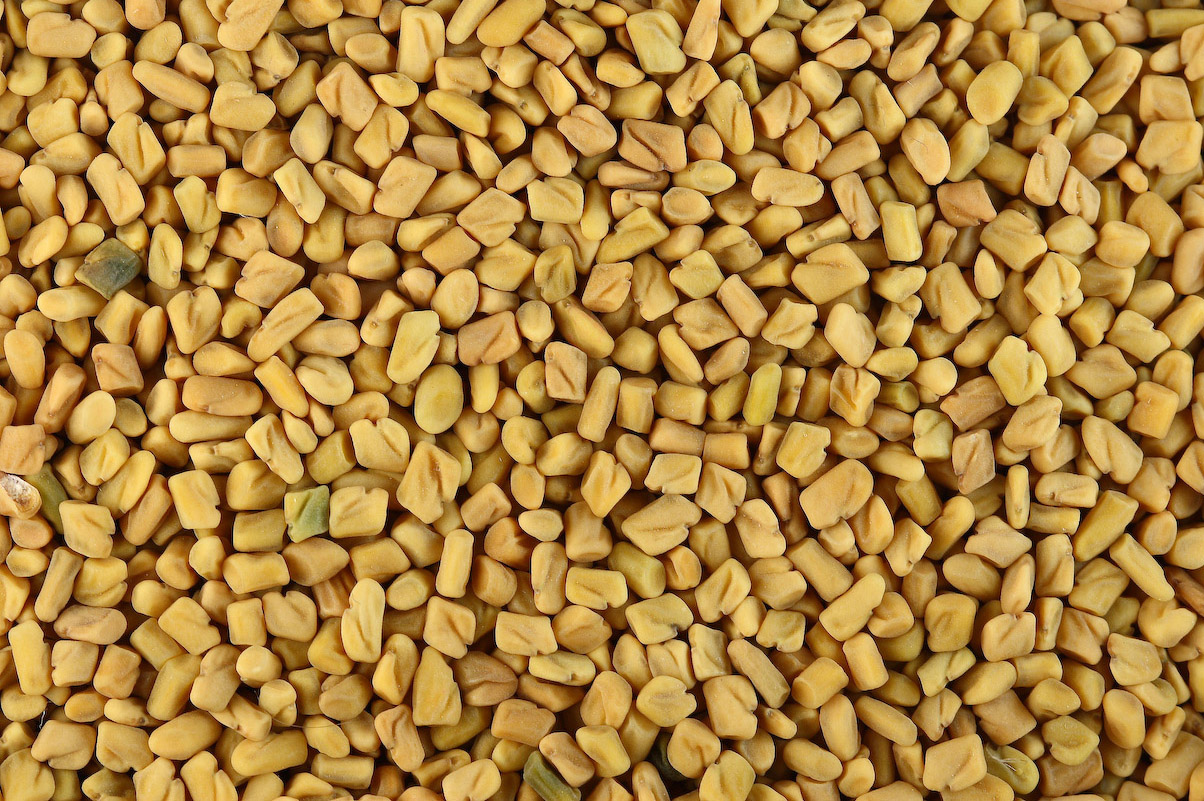
Fenugreek is an identifiable part of the quantified core, with standardization information that helps focus a research comparison. Published studies have investigated particular preparations for men's-wellness outcomes. Those studies make the botanical worth exploring, but a capsule extract should not be equated with a food quantity of seeds or a measured fiber intervention simply because both begin with the same plant.
The current product does not establish a dietary-fiber dose or a beneficial microbiome effect. That boundary leaves room for a clear positive case: a convenient men's-wellness formula containing a specified botanical extract. A reader interested in digestion can evaluate the capsule's materials and personal fit while keeping food-fiber goals separate. This makes the product's actual role easier to understand and avoids inventing a gut-health benefit to justify a formulation designed around a different category of wellness interests.
Long Jack and amino acids add distinct research questions
A randomized trial of a specific aqueous Eurycoma longifolia extract reported favorable selected sexual-well-being findings over twelve weeks. That gives Long Jack a human research pathway and helps explain its inclusion in men's-vitality products. The tested preparation and daily amount were specific, so they do not automatically establish an equivalent effect from Myogentra's current extract and quantity.
Arginine provides another rationale through nitric-oxide pathways. A controlled erectile-function study used 6 grams daily in men with a defined vascular condition, substantially more than Myogentra's entire 325-milligram supporting blend. That is not a dose-matched demonstration for this capsule. Neither research pathway establishes permanent enlargement or a digestive benefit from the finished product. The formula remains appealing as a coordinated concept, with each ingredient study contributing context rather than being merged into a universal promise about the retail combination.
Dietary claims need a consistent current answer
The displayed other-ingredient list includes gelatin, magnesium stearate, calcium carbonate, FD&C colorants, and titanium dioxide. Separate marketing copy describes vegan-friendly and no-dye attributes, creating a material discrepancy for readers with firm dietary requirements or sensitivities. The product should not be affirmed as vegan or dye-free until the seller confirms a consistent current formula and label.
That clarification is practical, not incidental. A plant-heavy formula does not automatically have a plant-derived capsule or exclude additives. Someone with a known sensitivity can ask for relevant allergen or cross-contact information rather than infer suitability from botanical photography. A one-capsule routine can still be attractive once those details are resolved. Its genuine convenience depends on the actual materials meeting the user's needs, along with a clear reason for choosing the formula and compatible directions for the rest of the daily routine.

Evidence quality and quality control answer different questions
The official material discusses testing and manufacturing standards. Those are useful subjects for follow-up through a lot-specific certificate identifying the laboratory and test scope. No independently verified batch certificate or finished-product pharmacokinetic trial substantiating the precise uptake multipliers was established in the reviewed dossier. A larger bottle bundle therefore should not be assumed to change absorption biology merely because it contains more supply.
The research library also includes links whose indexed subjects do not match their attached ingredient claims. This review uses verified primary research and NIH summaries rather than relying on those mismatched references. That distinction strengthens an informed decision without dismissing the product's visible merits. Its defined serving, named core, and consolidated format are documented features. Clinical effectiveness, absorption multipliers, and lot composition require their own appropriate evidence rather than being inferred from a general use of the word science.
Supply planning is easier with a stated duration
The stated 30 servings in a bottle make budgeting more concrete than a bottle count alone. At the displayed 30-day offer of $79.95, the listed supply averages about $2.67 per day. The 60-day offer averages about $2.33, and the 90-day offer about $2.00, using the stated totals and durations. Those calculations describe the offer, not a prediction of benefit, and the separate $99.95 one-time button makes the purchase type important to confirm. Taxes or checkout adjustments can still affect the final total.
A lower daily cost is most useful when the formula fits and the chosen supply will be used. A person still resolving a capsule-material question or reviewing a sensitive routine may place more value on the lower immediate commitment. Someone who already knows the exact current formulation fits may prefer the larger supply’s unit value. Neither choice changes the amount in one capsule or establishes greater absorption. The useful comparison combines formula suitability, stated supply, order type, and total cost, allowing convenience to be evaluated as a real purchasing feature rather than a vague promise.
Practical suitability and the current offer
Ashwagandha warrants a personal review with certain thyroid, liver, autoimmune, or interacting-medicine concerns, and the formula should be assessed alongside the existing routine. A pharmacist can use the full current label rather than a product name alone. Do not change prescribed care to accommodate a supplement. This targeted step helps determine whether an appealing coordinated formula is appropriate for the individual choosing it.
The shop displays 30-, 60-, and 90-day offers at $79.95, $139.95, and $179.95, with free U.S. shipping advertised. A separate one-time button shows $99.95, so confirm purchase type and any renewal terms before payment. The shop's 30-day satisfaction language differs from the 90-day return policy; clarify the governing conditions and return-shipping responsibilities. Overall, Myogentra offers a convenient one-capsule format with a clearly defined serving and recognizable ingredients. For digestive-minded readers, its best fit depends on compatible materials, total intake, tolerance, and a clear men's-wellness purpose rather than an assumed microbiome effect.
Sources & further reading
- Myogentra current official shop and offers ↗
- Myogentra displayed Supplement Facts image ↗
- Myogentra official purchase terms ↗
- Myogentra official return policy ↗
- Ashwagandha and resistance training: randomized trial ↗
- Eurycoma longifolia and sexual well-being: randomized trial ↗
- L-arginine and vascular erectile dysfunction: randomized trial ↗
- NCCIH: Ashwagandha ↗
- NIH ODS: Ashwagandha ↗
- Myogentra official research library ↗
- Myogentra official science page ↗
This article provides educational information. Ask a qualified clinician or pharmacist about your symptoms, medical conditions, medicines and supplement interactions.