Probiotics with antibiotics: why the prevention claim needs context
Some probiotic preparations have reduced antibiotic-associated diarrhea in studies. The finding does not make every product appropriate for every patient.
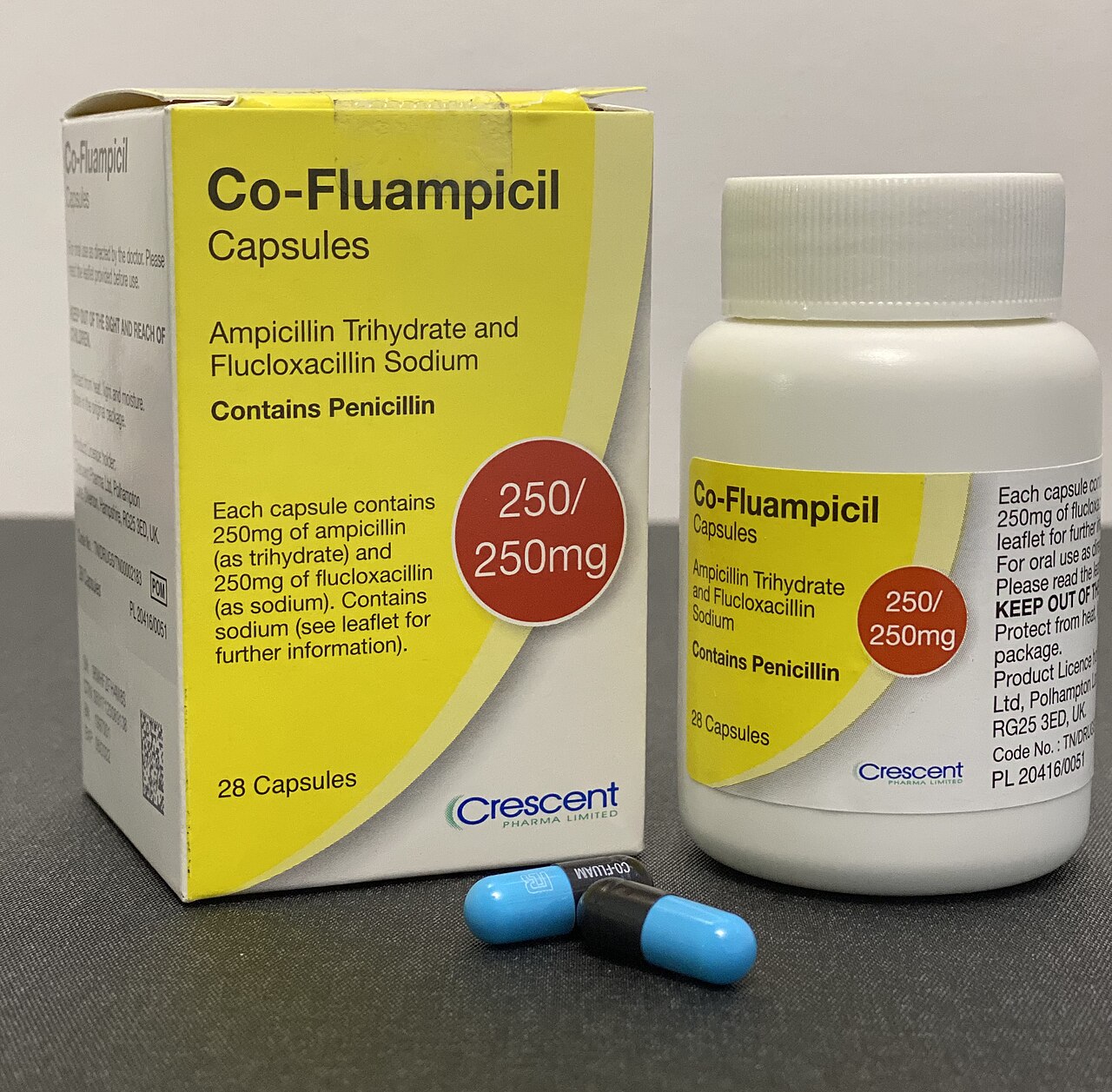
Evidence for preventing antibiotic-associated diarrhea is product- and population-dependent, and it does not replace assessment of significant symptoms.
A plausible idea with a specific outcome
Antibiotics can alter the intestinal microbiome, and diarrhea can occur during or after treatment. This has made probiotics a common companion purchase. The idea is biologically plausible, and some trials have found that particular probiotic preparations reduce the occurrence of antibiotic-associated diarrhea. That is a more specific claim than restoring the gut or protecting every person from every antibiotic effect.
The important outcome is whether diarrhea is prevented, how it is defined, and whether a meaningful benefit occurs in the population being studied. A change in bacterial composition alone does not answer those clinical questions. Neither does a testimonial from someone who took a product without developing symptoms.

Why the study population matters
Risk varies with age, health status, antibiotic exposure, and care setting. A study involving otherwise healthy outpatients may not predict the result in a hospitalized person with serious illness. Combining those settings into a single headline can make an average effect sound more universal than it is.
The NIH Office of Dietary Supplements emphasizes that probiotic benefits in this area depend on factors including the strain, antibiotic context, life stage, and inpatient or outpatient setting. These are not minor technical qualifications. They affect the baseline chance of the outcome and therefore the practical value of any reduction in risk.
A relative reduction is not the whole result
A trial can report a substantial relative reduction while the absolute difference remains modest when the starting risk is low. Conversely, an intervention with a similar relative effect may matter more in a higher-risk group. Knowing how many participants developed the outcome in each group helps put the finding in perspective.
Reviews also differ in the studies they include, how they define diarrhea, and how they assess bias. A pooled result summarizes evidence; it does not turn every product in the category into a tested intervention. The exact formulation and the certainty of evidence remain important after the studies are combined.
Not all diarrhea is the same clinical problem
Antibiotic-associated diarrhea is a broad category. Infection involving Clostridioides difficile is a particular concern with its own assessment and treatment questions. Evidence about mild diarrhea prevention should not be read as proof that a supplement can prevent or treat every serious infection associated with antibiotic use.
Significant or persistent diarrhea, fever, dehydration, severe abdominal pain, or other concerning symptoms require professional guidance. A person should not stop an antibiotic, change a prescribed regimen, or rely on a supplement to manage a possible complication without discussing the situation with the treating professional. The purpose of evidence review is to improve decisions, not replace medical care.

Safety changes with vulnerability
Probiotics contain live microorganisms. Many healthy users tolerate them, but serious infections have been reported in vulnerable patients, and research does not fully characterize safety in every group. People who are immunocompromised, critically ill, or otherwise medically vulnerable need individualized advice.
The product itself also matters: organism identification, storage, quality controls, and contamination risks are separate from the trial's efficacy result. A product sharing a broad bacterial name with a studied preparation may not be equivalent. More strains or a larger colony count does not automatically supply the missing evidence.
Put the decision inside the treatment plan
If considering a probiotic during antibiotic treatment, ask the clinician or pharmacist whether a particular preparation has evidence for the relevant situation and whether any safety concerns apply. Clarify the goal and what symptoms should trigger contact. That conversation is more useful than asking which product is strongest.
The research offers a reason to examine certain preparations for a defined preventive purpose. It does not support a blanket instruction that everyone taking antibiotics must buy a probiotic. Matching the population, product, outcome, and safety context preserves what the evidence can offer while avoiding a promise that exceeds it.
Sources & further reading
This article provides educational information. Ask a qualified clinician or pharmacist about your symptoms, medical conditions, medicines and supplement interactions.