Psyllium for Constipation: Water, Dose, and Medication Timing Matter
Psyllium can improve chronic constipation, but gradual dosing, adequate liquid, medication spacing, and warning signs determine safe use.
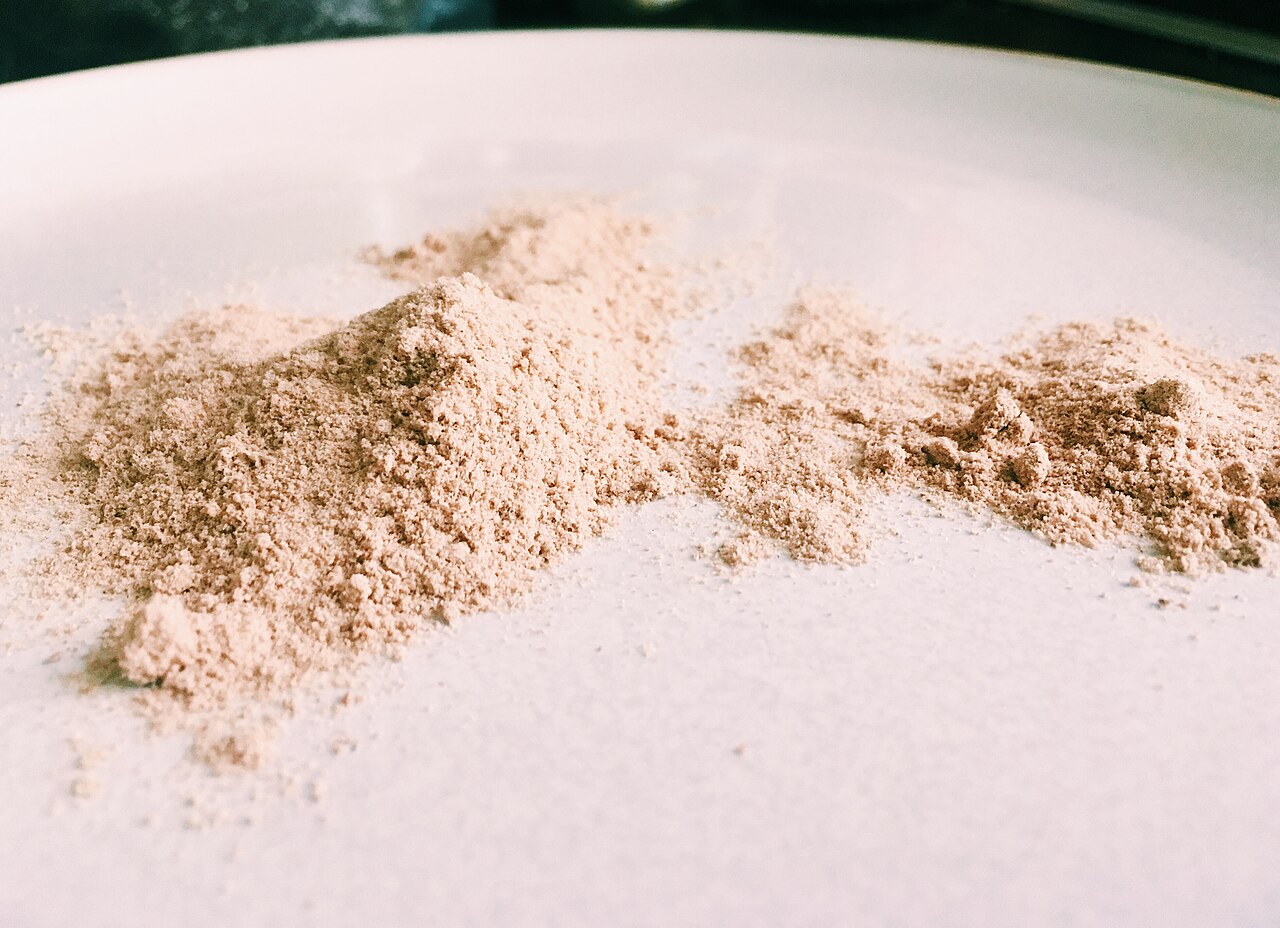
Psyllium is an evidence-based bulk-forming fiber, but it works best as a measured trial with enough liquid and attention to medicines and obstruction symptoms.
What psyllium changes in the bowel
Psyllium is a soluble, gel-forming fiber made from Plantago seed husks. It absorbs water and increases stool mass, which can make hard stool softer while giving loose stool more form. That dual behavior is why psyllium appears in both constipation products and general fiber supplements. It does not act like a stimulant laxative, and an immediate bowel movement is not the expected measure of success.
The National Institute of Diabetes and Digestive and Kidney Diseases lists fiber supplements among over-the-counter options a clinician may recommend for constipation. NIDDK also advises drinking plenty of water and other liquids when increasing fiber or taking a fiber supplement. Without sufficient fluid, a swelling fiber can become harder to move and may worsen discomfort.
Constipation is not only a stool-frequency number. Straining, hard or lumpy stool, incomplete evacuation, blockage sensations, and needing manual help can matter. A fiber product may improve stool consistency while failing to address pelvic-floor dysfunction, slow transit, medication effects, or another cause.

What trials and reviews found
A 2022 systematic review and meta-analysis included 16 randomized trials with 1,251 adults who had chronic constipation. Fiber supplements improved treatment response, stool frequency, and stool consistency overall. Psyllium and pectin showed significant effects, while flatulence was more common with fiber than control treatment. Results varied substantially between studies.
An earlier placebo-controlled study found that eight weeks of psyllium increased stool frequency and stool weight and improved stool consistency and pain with defecation. Colonic transit and anorectal measurements did not significantly change, suggesting that easier passage rather than a major motility change explained the benefit in that study.
These findings support a fair trial, not a guarantee. Research products use defined daily amounts and follow-up periods. A flavored consumer powder may add sugar, sugar alcohols, inulin, or other ingredients that change tolerance. Comparing grams of psyllium husk is more useful than comparing scoop sizes or front-label fiber claims.
How to make a trial interpretable
Start below the eventual target and increase gradually over several days or weeks. Track the amount, liquid taken with it, stool form, frequency, straining, bloating, and pain. A sudden jump can produce gas and distention that obscures whether a smaller dose would have helped. Follow the label's mixing instructions and drink the mixture before it thickens excessively.
Psyllium can affect absorption of some medicines. A pharmacist can advise how many hours to separate it from prescription drugs and other supplements. This is especially important for medicines with narrow dosing schedules or where a small absorption change matters. Do not solve the timing question by stopping prescribed treatment.
Dietary fiber from foods still contributes to the day's total. Adding a large supplement dose on top of an already high-fiber diet may create symptoms without adding benefit. Conversely, one small capsule may contain far less psyllium than the gram quantities used in trials, so the Supplement Facts panel deserves attention.

When fiber is not a home experiment
Do not take a bulk-forming product when there is difficulty swallowing, severe abdominal pain, vomiting, marked distention, or concern for bowel obstruction unless a clinician directs it. Stop and seek urgent care for trouble breathing or swallowing after a dose. New bleeding, anemia, fever, unexplained weight loss, or a sudden persistent change in bowel habits also needs evaluation.
If several weeks of a tolerated dose do not improve the target symptoms, simply adding more may not be useful. Review medicines and supplements that can cause constipation, toileting position, activity, fluid intake, and whether an osmotic laxative or diagnostic evaluation is more appropriate.
The practical goal is a comfortable, sustainable bowel pattern—not the largest fiber number. Psyllium has credible evidence for chronic constipation, but safe use depends on the person, the exact dose, adequate liquid, and the reason constipation is occurring. Keep the product, serving, and liquid amount consistent during assessment so a useful response is not confused with day-to-day variation.
Sources & further reading
This article provides educational information. Ask a qualified clinician or pharmacist about your symptoms, medical conditions, medicines and supplement interactions.