Resistant Starch and the Gut Microbiome: Type, Dose, and Response Matter
Resistant starch reaches the colon and can alter microbial activity, but types differ, individual responses vary, and early trials do not justify sweeping claims.
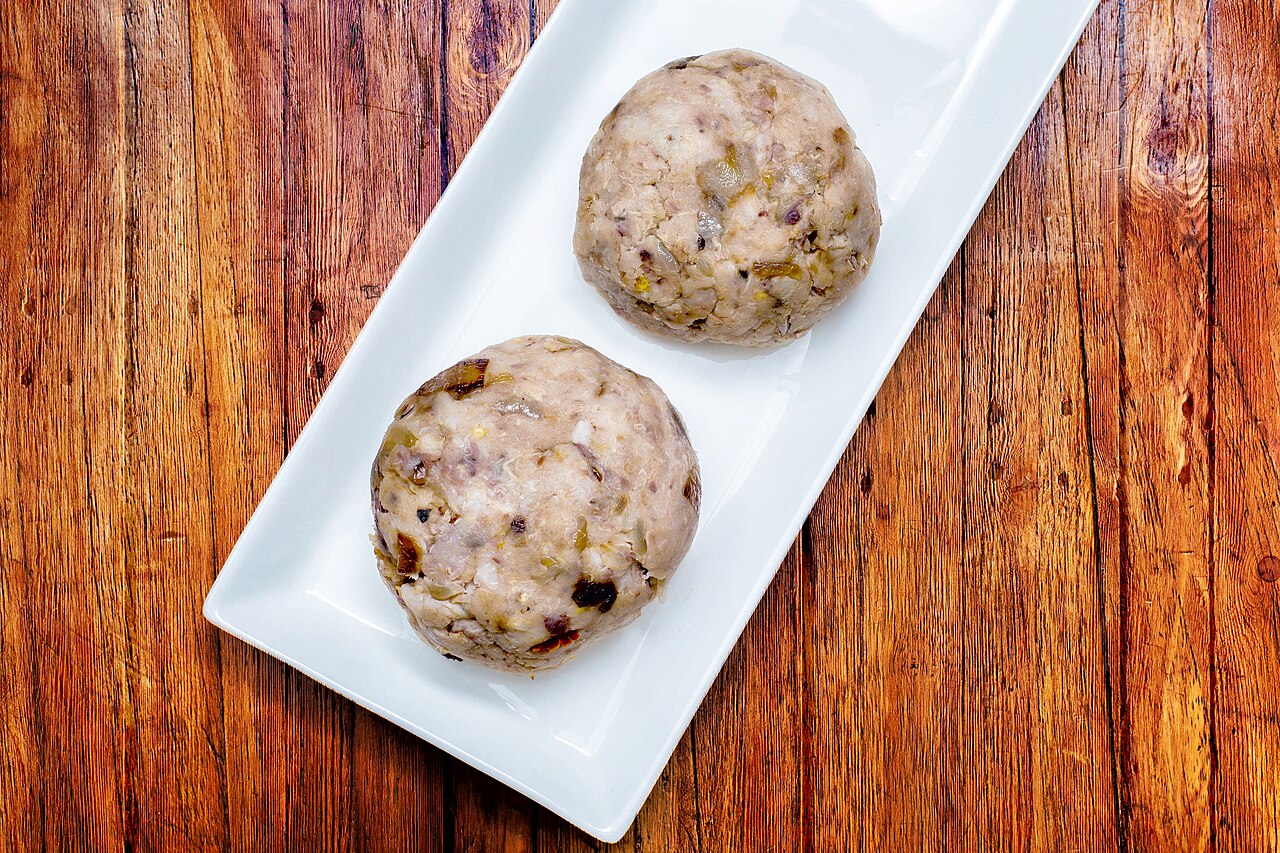
Resistant starch is not one uniform ingredient; its source and type can produce different, often reversible microbiome effects.
Why some starch resists digestion
Most starch is broken into glucose in the small intestine. Resistant starch escapes a portion of that digestion and reaches the colon, where microbes can use it as a substrate. Fermentation can produce short-chain fatty acids and alter microbial activity, but the magnitude and direction of those changes depend on the starch, the food matrix, the dose, and the starting microbiome.
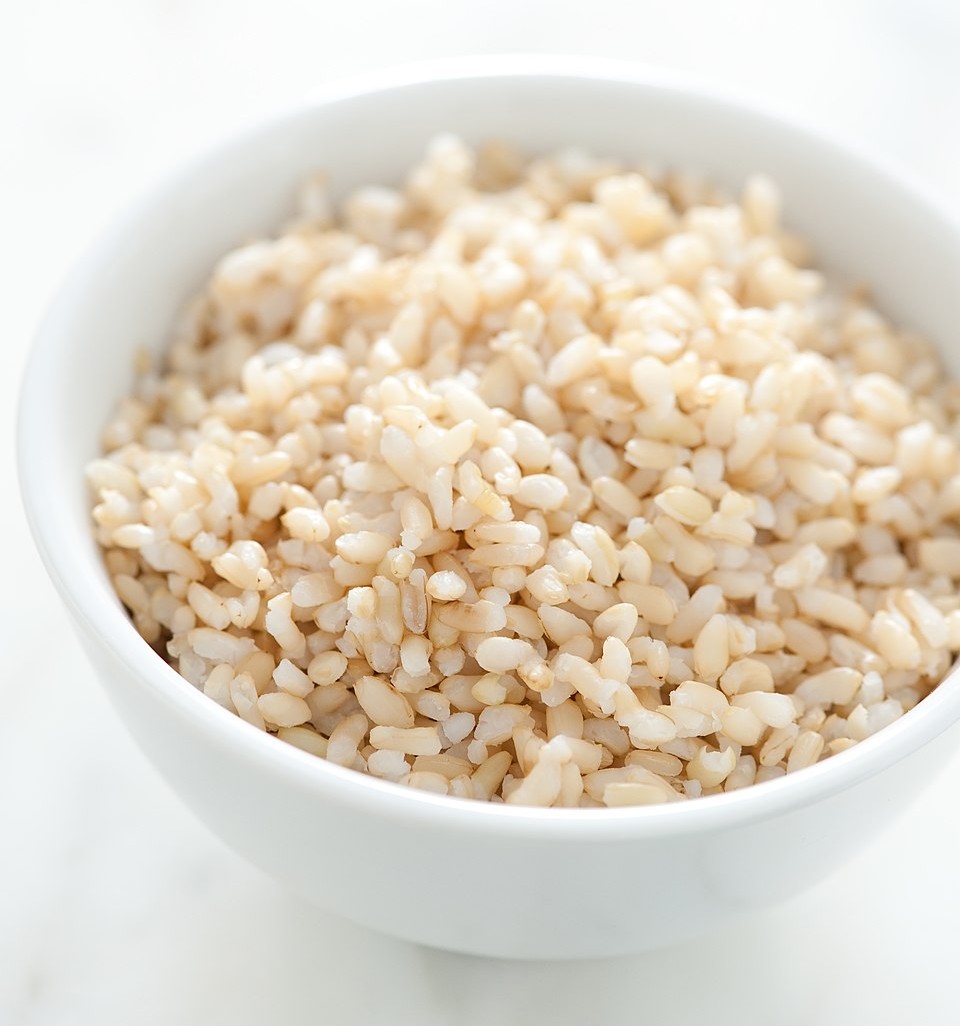
Researchers divide resistant starch into types. RS1 is physically trapped within intact structures such as seeds or partly milled grains. RS2 occurs in certain raw granules, including some green bananas and high-amylose starches. RS3 forms when cooked starch is cooled and retrogrades. RS4 is chemically modified. Labels that only say 'resistant starch' can therefore hide meaningful differences.
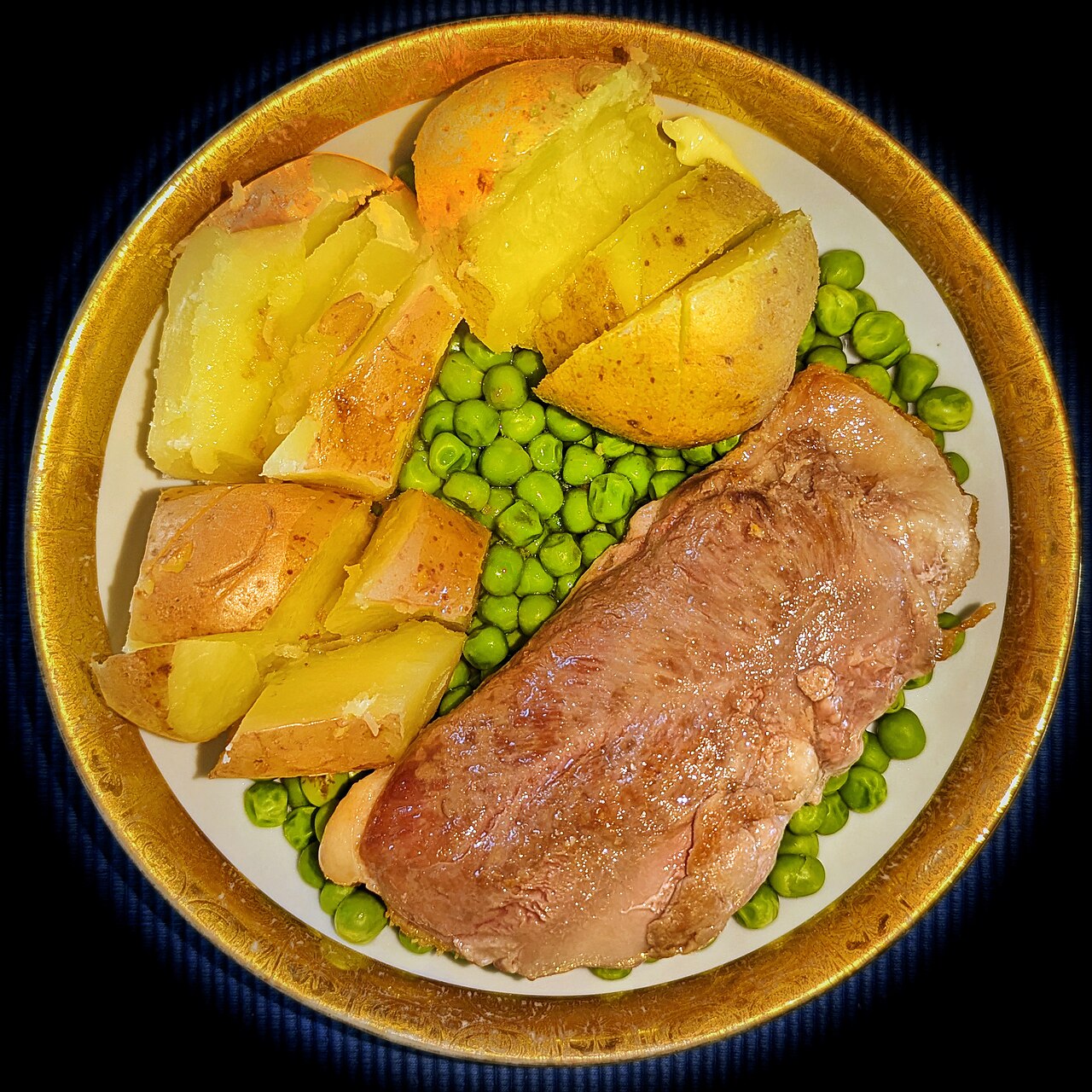
This is also why food and supplement studies should not be treated as interchangeable. A spoonful of purified high-amylose maize starch can provide a controlled research dose, while a cooled potato or serving of beans also supplies water, protein, vitamins, minerals, and other fibers.
Recent human trials clarify the limits
A 2024 randomized placebo-controlled crossover trial enrolled 37 adults with overweight or obesity. Eight weeks of resistant starch supplementation was associated with weight loss and improved insulin resistance, alongside microbiome changes. The trial was carefully controlled but small, conducted in a specific population, and not evidence that any resistant-starch product will cause the same weight change in the general public.
A randomized trial reported in 2026 compared RS2, RS4, and digestible starch and used shotgun metagenomics to examine microbial genes and species. RS2 and RS4 produced distinct changes in microbiome composition and carbohydrate-use pathways. The changes were described as reversible, and responses varied between participants.
Those findings weaken two marketing shortcuts: that every resistant starch feeds the same bacteria and that a microbiome shift automatically equals a durable health benefit. Microbiome composition is an intermediate measurement. A trial must separately demonstrate the symptom or clinical outcome that matters to the reader.
Tolerance can be the practical bottleneck
Increasing fermentable substrate can cause gas, bloating, cramping, or stool changes, especially when a large dose is added abruptly. People with IBS may be more sensitive to distention even when fermentation is not harmful. A product can therefore alter a laboratory marker while making daily symptoms worse.
A gradual approach is easier to interpret. Start with a modest food portion or the lowest labeled supplement serving, keep the rest of the diet stable, and monitor symptoms for several days before increasing. The goal is not to force a target dose borrowed from a study whose ingredient and population differ from yours.
Hydration and the rest of the diet still matter. Resistant starch does not replace other fiber types, fruits, vegetables, whole grains, or medical treatment for constipation. Anyone with a bowel obstruction risk, severe motility disorder, unexplained pain, or active gastrointestinal disease should discuss concentrated fiber products with a clinician.
How to read a resistant-starch claim
First identify the source and type. Then look for the grams per serving, not just the total scoop weight. Check whether a cited study used the same ingredient, dose, duration, and population. If a label cites a microbiome paper but promises weight loss, glucose control, or constipation relief, verify that the trial actually measured and improved that outcome.
Next separate statistical change from practical benefit. An increase in one bacterial group does not prove that the person is healthier, and there is no universal microbiome profile that a consumer product can reliably deliver. Personalized responses in trials are a reason for measured experimentation, not a reason to buy a test-and-supplement package with guaranteed predictions.
Resistant starch is a credible area of nutrition research, but the honest conclusion remains conditional. Specific preparations can change fermentation and microbial features, and some trials report metabolic or bowel benefits. More research is needed to establish which type, dose, and user characteristics predict a worthwhile result without unacceptable symptoms.
Sources & further reading
This article provides educational information. Ask a qualified clinician or pharmacist about your symptoms, medical conditions, medicines and supplement interactions.