Sildenafil, Tadalafil, and Heartburn: Digestive Side Effects Deserve a Plan
Sildenafil and tadalafil can cause dyspepsia or reflux symptoms. Learn what the labels and esophageal studies show and when to seek care.
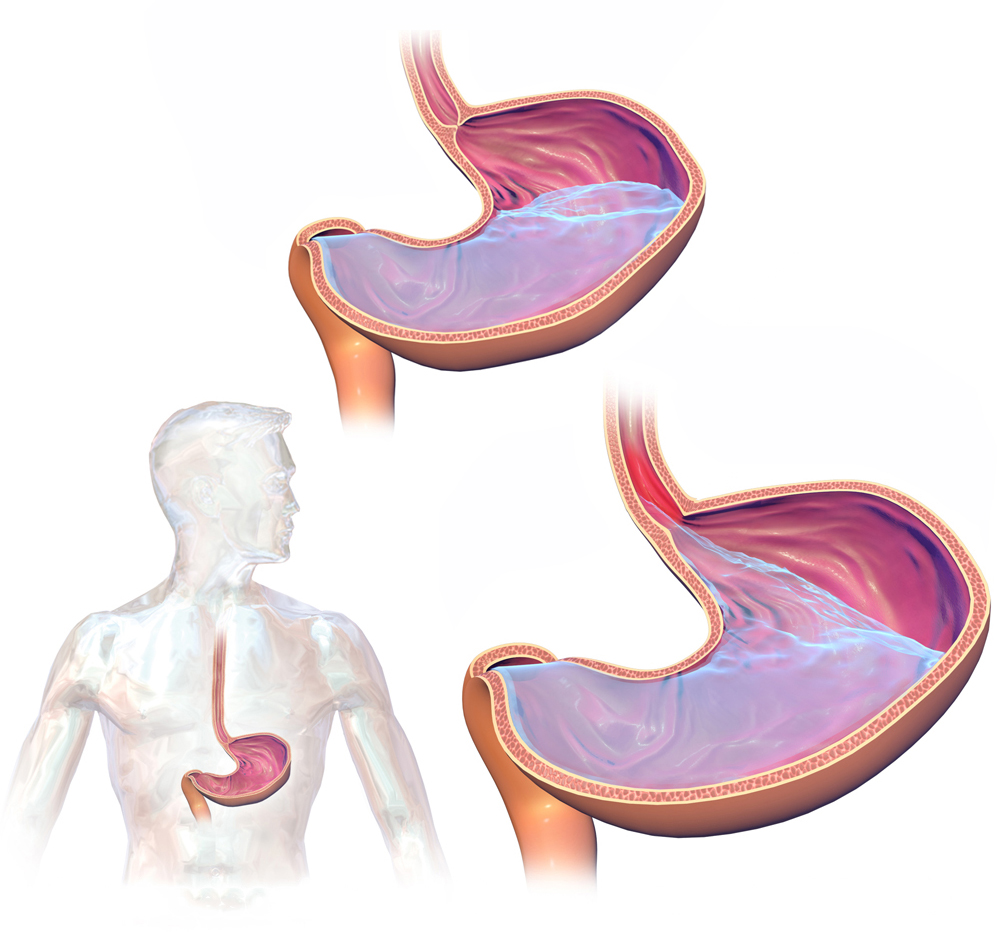
Indigestion is a recognized PDE5-inhibitor side effect, but persistent chest pain, swallowing trouble, or severe symptoms need assessment rather than repeated antacid use.
The stomach complaint is common enough to plan for
An ED medicine can work as intended and still make the evening uncomfortable. Dyspepsia, nausea, and reflux symptoms are recognized with phosphodiesterase type 5 inhibitors. The effect is not simply anxiety or a rich dinner, although meals and alcohol can add their own symptoms.
Sildenafil and tadalafil relax smooth muscle through cyclic GMP signaling. That vascular effect supports erections, while smooth muscle also exists in the esophagus and lower esophageal sphincter. A plausible mechanism is not proof that every episode of heartburn comes from the medicine, but it explains why investigators studied swallowing and reflux directly.
Dose, timing, other medicines, and baseline reflux all matter. Taking more than prescribed raises adverse-effect risk without guaranteeing a better erection. Nitrates must never be combined with these medicines because the blood-pressure drop can be dangerous.
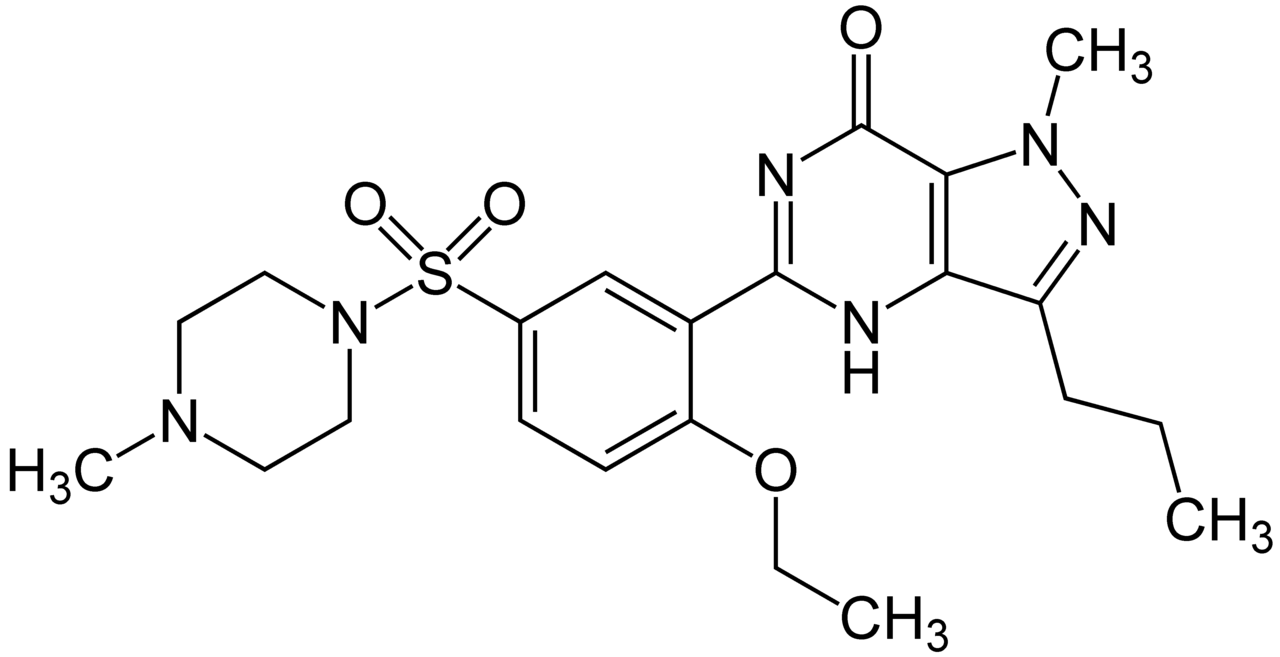
Sildenafil changes esophageal movement in small studies
In a controlled physiology study of eight healthy volunteers, 50 milligrams of sildenafil lowered resting lower-esophageal-sphincter pressure and slowed aspects of bolus transit. During the short monitoring period, it did not increase measured acid or nonacid reflux. Muscle effects and reflux events were not the same outcome.
A later placebo-controlled high-resolution manometry study in 15 healthy adults found that sildenafil reduced lower-esophageal-sphincter pressure and esophageal contraction vigor. Many participants developed absent or ineffective peristalsis during testing. The study was small and measured short-term physiology, not long-term reflux disease.
Together, the studies support a real esophageal effect while leaving clinical frequency uncertain. They should not be used to treat swallowing disorders without specialist care, and they do not prove that a person with heartburn must stop an effective ED medicine.
FDA labels put indigestion in the everyday risk picture
Current sildenafil labeling lists dyspepsia among the common adverse reactions and shows a dose-related pattern in fixed-dose trials. Nausea also occurred. Tadalafil labeling includes dyspepsia and, less often, gastroesophageal reflux disease, upper-abdominal pain, nausea, and vomiting.
Trial percentages from one product or dose should not be copied onto every formulation. Approved generic tablets contain the same active ingredient when properly authorized, but inactive ingredients and individual tolerance can differ. Compounded combinations are not interchangeable with an FDA-approved single-ingredient tablet.
Chest burning after a dose may be reflux, but pressure, shortness of breath, sweating, faintness, or pain spreading to the arm or jaw requires emergency evaluation. Sexual activity itself stresses the cardiovascular system. Do not assume every chest symptom is indigestion.

Online access should preserve the medication conversation
Total Male Rx currently offers online evaluation for prescription sildenafil and tadalafil through US-licensed clinicians. The service can make a private assessment convenient, but a questionnaire does not guarantee a prescription, a particular dose, or that either medicine is safe for every applicant.
Report nitrates, alpha blockers, blood-pressure medicines, significant heart disease, kidney or liver problems, vision or hearing events, and every other ED product. Also mention frequent reflux or swallowing difficulty. Hiding symptoms to obtain a higher dose removes information the prescriber needs.
The official site also lists hair-loss treatment and labels its weight-loss combination as coming soon. Those services are separate from ED therapy. A prescription medicine should not be described as a supplement, and a service feature should not be turned into a guaranteed clinical outcome.
Reduce confusion before adding another medicine
Use the prescribed dose and document whether symptoms follow sildenafil, tadalafil, a particular meal, or alcohol. Sildenafil absorption can be delayed by a high-fat meal, while tadalafil has a longer duration. Changing timing without understanding the drug can complicate both effect and side-effect tracking.
Ask a clinician or pharmacist before adding an antacid, acid blocker, or herbal reflux product. A recurring need for symptom control may justify changing the dose or medicine or evaluating reflux. Do not repeatedly redose an ED medicine because the first dose feels delayed.
Seek care for painful swallowing, food sticking, vomiting blood, black stool, severe abdominal pain, or persistent reflux. Digestive symptoms are usually manageable, but the safest plan keeps cardiovascular warnings, drug interactions, and esophageal red flags visible.