DGL Licorice for Reflux: Removing Glycyrrhizin Does Not Create Strong Evidence
Deglycyrrhizinated licorice reduces a major safety concern, but evidence for reflux remains limited and product labels can obscure residual risk.

DGL products remove most glycyrrhizin to reduce blood-pressure and potassium risks, but that processing step does not prove effectiveness for reflux.
DGL is a processing claim with a safety purpose
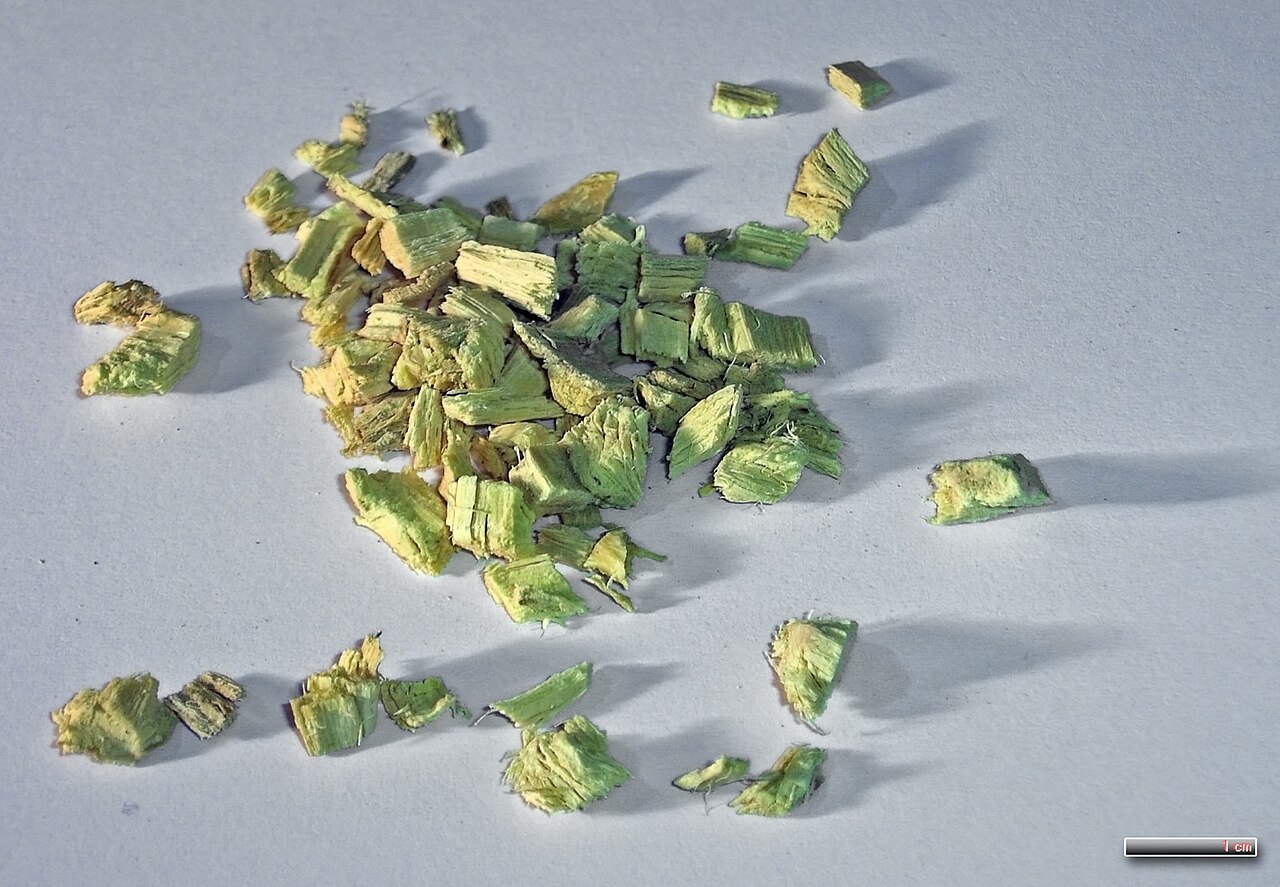
Licorice root contains glycyrrhizin, a compound that can alter cortisol metabolism, raise blood pressure, lower potassium, cause fluid retention, and trigger dangerous heart-rhythm problems. Deglycyrrhizinated licorice, or DGL, is processed to remove most of that compound.
That distinction matters because ordinary licorice extract and DGL do not share the same risk profile. It also means a front label that only says licorice is inadequate for a person trying to avoid glycyrrhizin. The residual amount, serving frequency, and quality testing deserve attention.
DGL is sold as chewables, powders, and combination products for heartburn, ulcers, and mucosal support. Chewing before meals is often part of traditional product directions, but a delivery ritual is not evidence that the ingredient treats gastroesophageal reflux disease.

NCCIH finds the digestive evidence unclear
The National Center for Complementary and Integrative Health says there is not enough high-quality evidence to clearly support licorice for any health condition. It specifically notes that it is unclear whether products containing licorice alone have an effect on digestive symptoms.
Some herbal blends that include licorice have been studied, but a multi-ingredient result cannot be assigned to DGL alone. Different forms also matter: a mouth rinse for canker sores, a topical gel, and an oral digestive tablet answer unrelated questions.
A lack of strong evidence is not proof that no individual ever feels relief. It means the expected benefit, best dose, and responder profile are uncertain, making safety and opportunity cost more important in the decision.
Regular licorice can cause serious harm
NCCIH warns that glycyrrhizin-containing licorice can cause irregular heartbeat and cardiac arrest, especially with large or prolonged intake. Severe effects have occurred with smaller amounts in people who eat a high-salt diet or have hypertension, heart disease, or kidney disease.
DGL may be safer for short-term oral use, but that does not guarantee every product is fully deglycyrrhizinated. Licorice can interact with corticosteroids, and medication or disease-specific interactions should be reviewed by a pharmacist. Pregnancy is another higher-risk setting.
Seek care for weakness, swelling, severe headache, palpitations, fainting, or marked blood-pressure elevation. Low potassium can become dangerous before a person recognizes licorice as the cause.
Reflux still needs a cause-focused plan
Frequent heartburn, trouble swallowing, bleeding, anemia, repeated vomiting, weight loss, or chest pain needs medical evaluation. Reflux can damage the esophagus even when a soothing chewable temporarily changes the sensation.
If a clinician agrees to a DGL trial, choose a single-ingredient product that states glycyrrhizin removal, keep the duration short, and track heartburn frequency, nighttime symptoms, regurgitation, and rescue-medication use. Do not stop prescribed acid treatment without guidance.
The rational appeal of DGL is understandable: remove a known hazardous compound while retaining other constituents. But improved theoretical safety is not the same as demonstrated reflux efficacy. Current guidance supports caution, clear labeling, and realistic expectations rather than a treatment claim.
Why symptom relief can mislead
Reflux symptoms vary with meal timing, alcohol, caffeine, body position, weight change, stress, and spontaneous fluctuation. Starting DGL while also changing dinner time or stopping a trigger food can make the supplement appear responsible for an improvement it did not cause.
A chewable may also increase saliva and swallowing, which can temporarily change throat sensations independent of a licorice-specific effect. That is not necessarily harmful, but it is different from healing esophagitis or reducing acid exposure.
Use a simple diary and keep other major variables steady. If benefit is only immediate soothing, describe it that way rather than converting the experience into a disease-treatment claim. Persistent or recurrent symptoms still deserve evidence-based management and, when indicated, endoscopic evaluation.
A reasonable trial should have a defined goal and stop date. Escalating the number of chewables because symptoms return can increase exposure to other ingredients while masking a pattern that needs assessment.
Sources & further reading
This article provides educational information. Ask a qualified clinician or pharmacist about your symptoms, medical conditions, medicines and supplement interactions.