Fermented foods and probiotic capsules are not the same comparison
Fermentation describes how a food is made. A probiotic claim requires evidence about live microorganisms and a health benefit.

A fermented food can be a useful food without meeting the definition of a clinically studied probiotic product.
A familiar food process meets a modern health claim
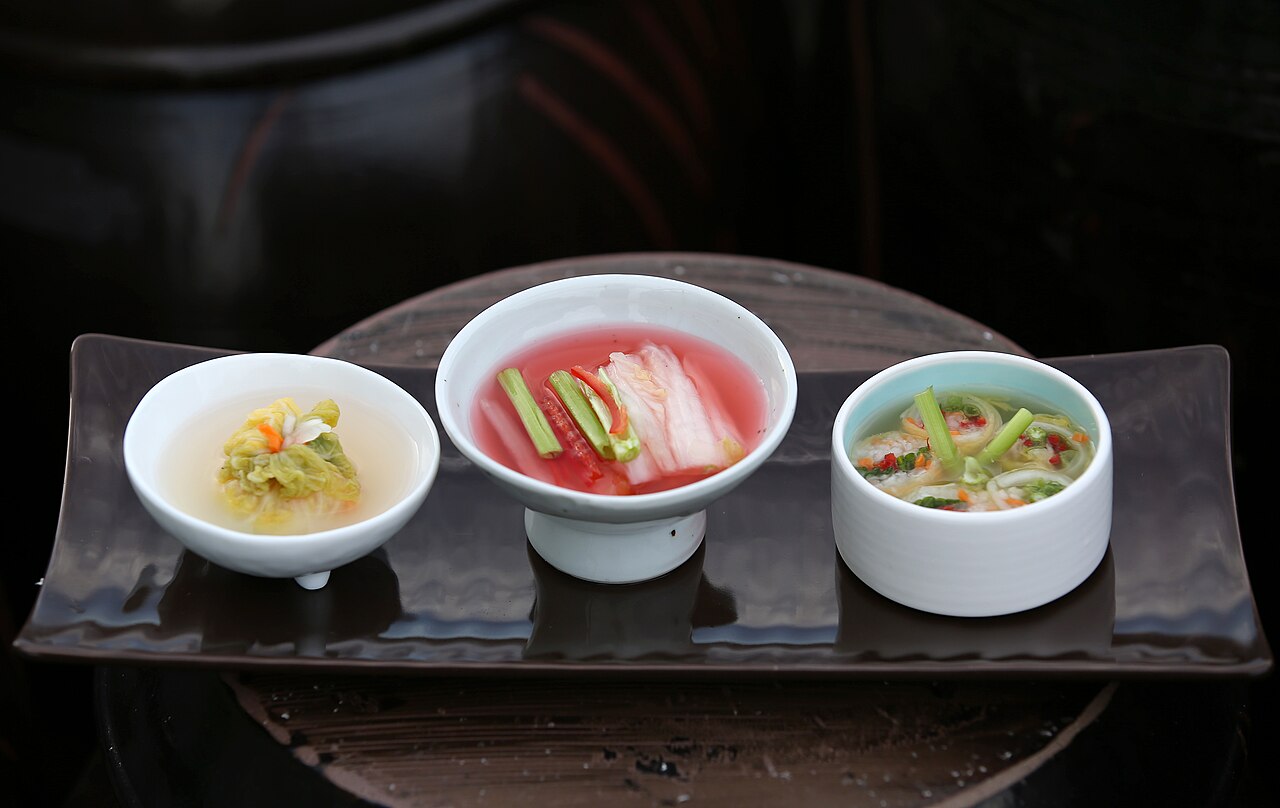
Yogurt, kimchi, kefir, and other fermented foods attract interest because of their microorganisms and potential relationship with gut health. Probiotic capsules are often placed in the same conversation. The comparison can be useful, but only if the terms are kept clear. Fermentation describes a food-making process; probiotic describes microorganisms with a demonstrated health benefit when supplied appropriately.
A food can be fermented without containing live microorganisms at the time it is eaten. Heating or other processing may change that. A food can also contain live cultures without evidence supporting a particular probiotic health claim. These distinctions do not make the food worthless; they simply limit what can be concluded from the category name.
Live does not automatically mean proven
To connect a microorganism with a health benefit, research needs to identify what was supplied and what happened in people. A broad claim that live bacteria are present is less informative than evidence for a defined organism, preparation, and outcome. The same principle applies to a capsule and a food.
Some fermented foods contain variable microbial communities, while a studied probiotic preparation may be more specifically characterized. That difference affects how confidently a research result can be transferred. It does not establish that capsules are inherently better foods or that a complex food is inferior because every component has not been isolated in a trial.
Foods provide a wider nutritional package
A fermented food contributes more than its microorganisms. Depending on the food, it may provide protein, fiber, calcium, sodium, sugars, or other nutrients. The practical value depends partly on how it fits into the overall eating pattern and what it replaces.
This is why comparing a food and a capsule solely by bacterial count can miss the point. Someone may choose yogurt as a convenient food containing protein and calcium, without requiring a claim that it treats a digestive disorder. A capsule cannot automatically replace those nutritional contributions just because it emphasizes a larger number of microorganisms.
Labels should clarify the actual product
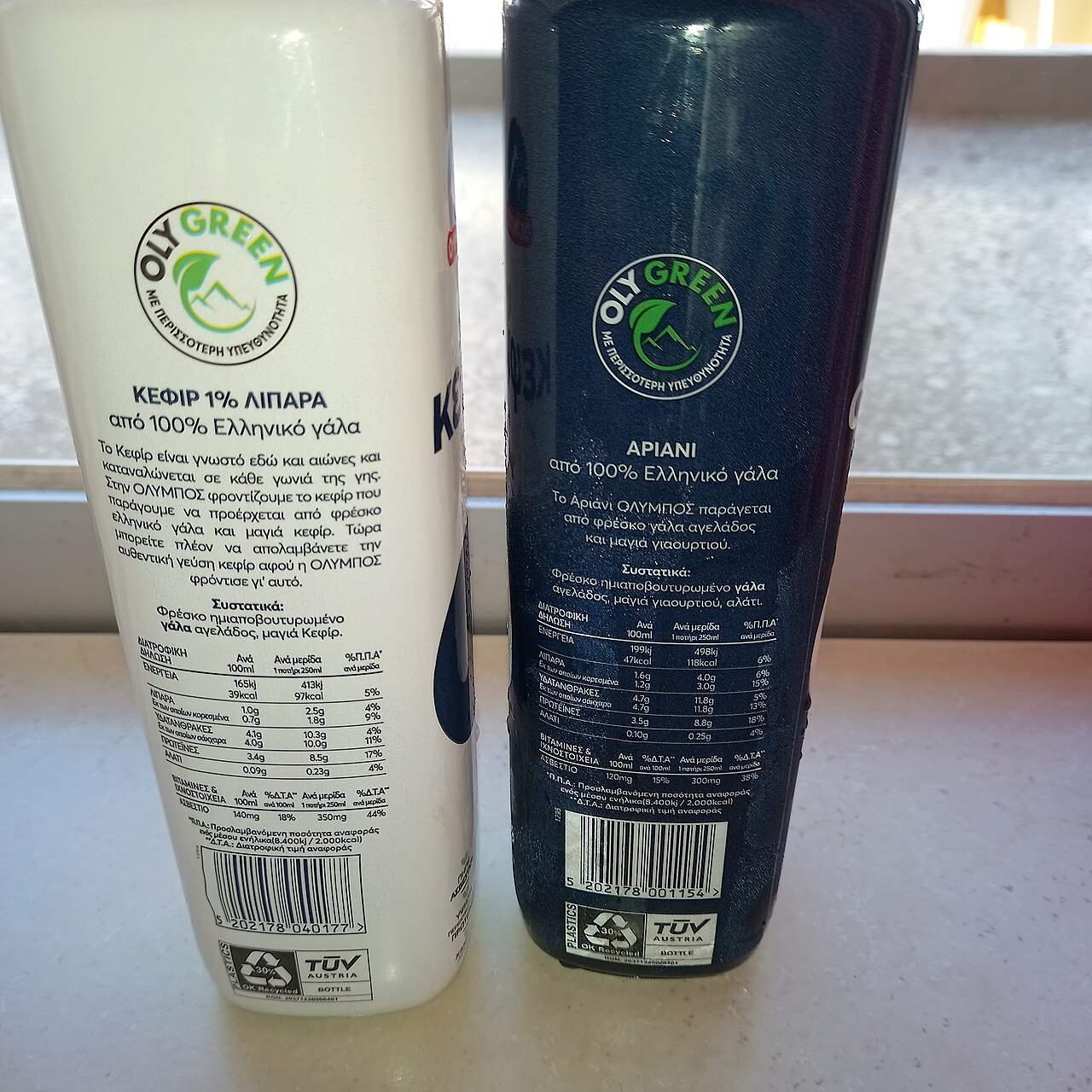
For a food, check ingredients, serving size, and whether labeling indicates live cultures. For a supplement, look for organism identification, storage instructions, and the amount expected through the end of shelf life when that information is provided. These details are more useful than a generic statement that the product supports balance.
A large colony count does not establish the correct organism or a clinical benefit. Nor does a fermented-food label demonstrate that the microorganisms remain alive after every storage or preparation method. Marketing should explain what is known about the actual product rather than relying on the positive associations of fermentation.
Personal circumstances can change the choice
Food allergies, lactose tolerance, sodium restrictions, and other dietary needs can influence whether a particular food fits. A person avoiding dairy for a genuine allergy has a different concern from someone evaluating lactose-related symptoms. A product's probiotic language should not distract from those basic considerations.
People who are medically vulnerable also need professional guidance about live-microorganism products. Evidence from healthy adults cannot establish safety in every clinical setting. Persistent digestive symptoms warrant assessment rather than an assumption that either fermented foods or capsules will solve the problem. The category of product is not a diagnosis.
Choose the question before choosing a winner
If the goal is a satisfying, nutritious food, compare foods on their overall contribution, taste, cost, and tolerability. If the goal is a specific clinical effect, look for evidence supporting the actual microorganism and preparation for that outcome. Those are different comparisons, and neither is answered by a simple ranking of foods versus pills.
Fermented foods can be part of a varied eating pattern without every product qualifying as a probiotic intervention. Probiotic capsules can be studied for particular purposes without being substitutes for food. Keeping the two ideas separate allows a more useful discussion: what does this product contribute, what claim is being made, and what evidence supports that particular claim?
Sources & further reading
This article provides educational information. Ask a qualified clinician or pharmacist about your symptoms, medical conditions, medicines and supplement interactions.