Max T Review: A Clearer Look at the Capsule, Nutrients, and Botanical Blend
Explore Max T’s current formula through a digestive-health lens, including nutrient forms, botanical evidence, label clarity, pricing, and purchase terms.
Max T’s broad formula and disclosed nutrient amounts may appeal to men seeking one coordinated product. Assess its actual serving, dietary fit, and personal tolerance without assuming a microbiome or digestive-treatment benefit.
A combined product with a practical appeal
Max T Testosterone Support gathers recognizable botanicals, minerals, vitamin B6, and a circulation complex into a single men’s wellness product. That coordinated approach may appeal to someone who wants fewer separate bottles and a specific formula to investigate. Its current presentation provides enough ingredient names and numbers to support a more useful comparison than a vague promise of vitality alone.
For Gut Health Observer, the relevant question is how the formula fits an individual digestive and dietary routine. Max T is not established here as a probiotic, a prebiotic treatment, a digestive enzyme, or an IBS remedy. Its intended concept is male vitality and testosterone support. This review examines the current label, selected human ingredient research, practical format, and commercial terms. The positive case is convenience plus an identifiable research trail, while the actual serving, personal tolerance, and full ingredient details determine whether that concept is appropriate for a particular shopper.

The nutrient forms are worth noticing
The current facts graphic lists magnesium as oxide at 124.5 mg, zinc as oxide at 22.5 mg, and vitamin B6 as pyridoxine hydrochloride at 7.5 mg. It shows Daily Value percentages of 30%, 204%, and 441%, respectively. Those are concrete details for comparing the formula with a multivitamin or another supplement. Nutrient form and total exposure matter more than simply counting how many vitamins or minerals appear on the panel.
The graphic has no visible serving-size or capsule-count line. Although the product page says one capsule daily, that wording does not establish that each panel amount is contained in a single capsule. A shopper should confirm the complete current bottle label before calculating daily intake or comparing tolerability with another product. That question is particularly important for a formula with a substantial zinc amount and magnesium in a form that can affect digestion. Clear serving information is what turns useful numbers into an interpretable routine.
Magnesium is a nutrient with a practical digestive consideration
Magnesium contributes to many normal physiological processes, including muscle and nerve function. Its presence can be attractive to men who want nutritional foundations alongside botanicals. NIH also explains that supplemental magnesium can cause gastrointestinal effects and that absorption differs among forms. The oxide form named here should therefore be read as a specific ingredient detail, not as a guarantee that every person absorbs or tolerates it identically.
This does not predict a particular digestive response to Max T. The actual exposure depends on the confirmed serving, and other products may contribute magnesium too. Someone using a separate magnesium supplement, an antacid, or a complex routine can ask a pharmacist to review the whole list. A coordinated product is most useful when it reduces confusion rather than adding overlapping amounts. Nutrient inclusion also does not establish that the formula improves gut health. Normal physiological importance and a demonstrated extra benefit from this capsule are different questions.
Zinc and B6 make overlap visible
Zinc is required for numerous normal processes, but a larger supplemental amount is not automatically better. NIH lists an adult upper intake level of 40 mg daily and notes that chronic excessive intake can impair copper status. Max T’s displayed 22.5 mg per stated serving is therefore a useful amount to compare with other products, once the actual serving is confirmed. The percentage above Daily Value should not be treated as a testosterone-performance score.
Vitamin B6 also deserves to be counted across a multivitamin and other supplements rather than viewed in isolation. The current panel’s 7.5 mg amount provides a concrete starting point for that review. A person may prefer one formula that combines nutrients and botanicals, but its convenience is strongest when the total routine remains clear. Correcting a deficiency, maintaining adequate intake, and promising improved vitality in an already adequately supplied person are different claims. The formula’s nutritional detail is a positive feature because it allows those distinctions to be considered.
The botanical core gives the product a recognizable character
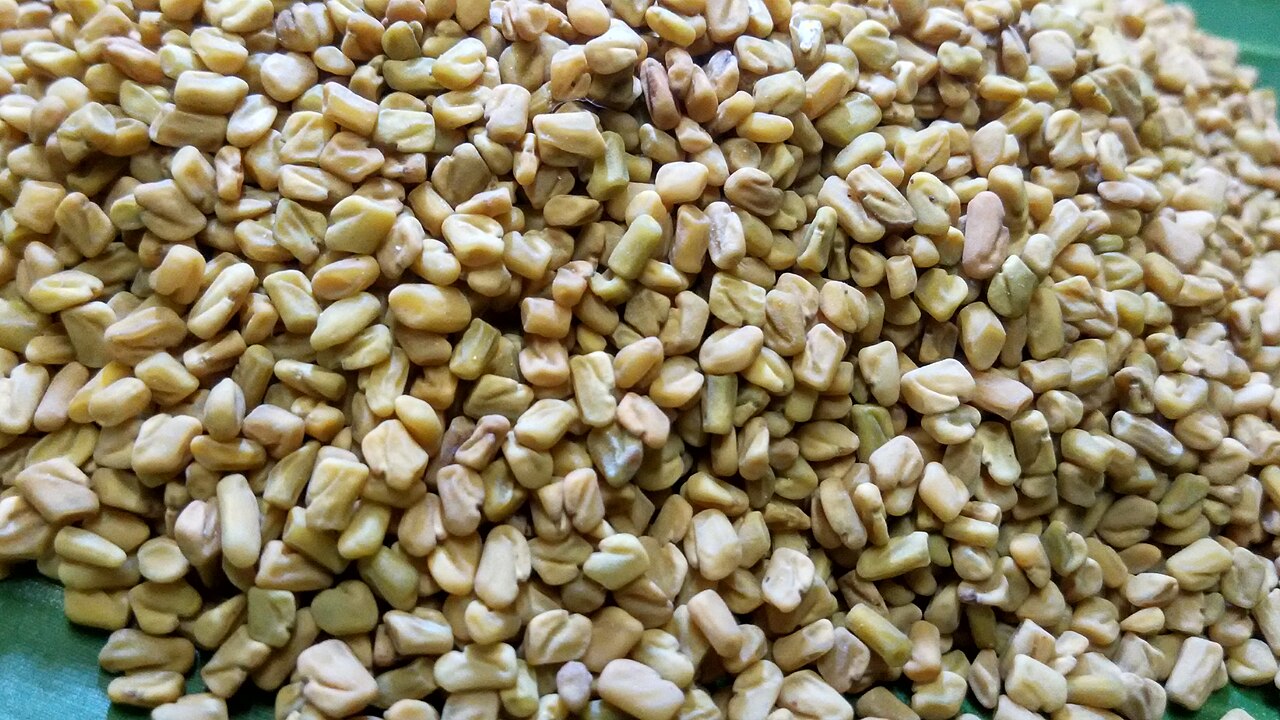
The panel lists fenugreek at 450 mg, Long Jack at 406.5 mg, and KSM-66 ashwagandha at 225 mg. For men who enjoy researching supplement ingredients, those names provide a real trail to follow. They make Max T more specific than an entirely unspecified vitality blend and help explain its appeal as a coordinated formula. Each ingredient should still be evaluated according to its own preparation and evidence.
The fenugreek description specifies a standardization, while some other page wording uses Testofen-type language. That does not independently authenticate a particular branded supply chain. Long Jack’s current specification also should not be assumed identical to the preparation in a positive study. Different extracts can have different compositions even when the common plant name is the same. The missing serving basis makes daily comparisons less precise as well. Naming the botanicals is useful; confirming their exact identity and exposure is the next step in assessing the formula responsibly.
Fenugreek evidence should not become a fiber claim
Fenugreek has a research literature involving several extracts and hormone-related outcomes. A 2024 randomized trial of a particular preparation showed different patterns in plasma and saliva measures; baseline changes did not consistently establish a placebo advantage, and subjective effects were not demonstrated. That illustrates why a plant’s name alone cannot carry a broad promise of better energy or sexual function. The trial did not test Max T.
For digestive-minded readers, another distinction matters: an extract capsule is not automatically equivalent to eating a food quantity of fenugreek seeds or obtaining a measured amount of dietary fiber. The current product does not establish a fiber dose or a microbiome outcome. Its fenugreek inclusion can still be interesting as part of the men’s wellness concept, but the evidence should stay connected to the actual preparation and measured question. A shopper does not need to invent a digestive benefit to appreciate the convenience of a named botanical in a coordinated formula.
Ashwagandha combines research interest with personal tolerance
The named KSM-66 extract gives Max T a clearer research connection than a generic plant reference. A randomized study alongside resistance training used 600 mg daily for eight weeks and reported favorable selected strength, recovery, and body-composition findings. NIH also describes some short-term evidence for certain ashwagandha preparations in stress and sleep. Those are substantive reasons the ingredient attracts attention in broad wellness products.
The current panel’s 225 mg figure and unresolved serving basis do not establish a match to that trial. It was not a study of Max T or its digestive effects. NCCIH notes that ashwagandha may cause stomach upset, diarrhea, vomiting, and drowsiness in some people. A person with a sensitive digestive history can review the full product before use rather than assume every natural ingredient is gentle. A convenient formula should fit daily life; persistent or concerning symptoms should not be treated as proof that a botanical is working.
The circulation complex brings breadth without precise individual amounts
The 975 mg ImperiFlow Circulation Complex names arginine, tribulus, horny goat weed, tongkat ali, maca, saw palmetto, citrulline, Butea superba, muira puama, damiana, Xanthoparmelia scabrosa, and rhodiola. That is a broad ingredient concept, which may appeal to a man who prefers one combined product. It creates several research questions within a single purchase rather than requiring a separate selection for each category.
The total applies to the complex, not to every ingredient. No individual quantities are shown, so a clinical trial of one component cannot be assumed to describe the blend. For example, an arginine trial used 6 g daily in men with defined vascular erectile dysfunction, a very different intervention from this mixed 975 mg complex. Long Jack and tongkat ali also commonly name the same botanical, making a full specification helpful. The breadth is a visible feature; the amount and effect of each component remain less exact.
Long Jack research adds another useful distinction
A randomized study of a specific aqueous Eurycoma longifolia extract enrolled 109 men aged 30–55 and followed them for 12 weeks. It reported favorable selected sexual-well-being findings, giving Long Jack a primary human research trail. That is a legitimate reason to investigate the botanical rather than relying exclusively on tradition or a promotional phrase about vitality.
The study does not establish that Max T uses an equivalent extract or produces the same results. It also does not describe a microbiome benefit, improved nutrient absorption, or permanent anatomical enlargement. A broad formula can contain research-linked ingredients while its finished-product outcomes remain uncertain. That is a normal distinction in a careful product comparison, not a reason to ignore the positive ingredient selection. The shopper’s task is to decide whether the convenience, actual composition, and cost are attractive once the evidence is read at the level it genuinely supports.
Capsule and dietary claims need a consistent answer
The page describes Max T as vegan-friendly and without artificial colors, but the displayed other-ingredient list includes gelatin and FD&C colorants. For a shopper with dietary requirements or sensitivities, this is a material inconsistency. The product should not be affirmed as vegan or dye-free until the seller provides a consistent current formula and bottle panel. Botanical headline ingredients do not determine the capsule’s complete dietary status.
A complete label can also support specific questions about allergens or cross-contact rather than relying on broad marketing language. This review has not physically tested the capsules or their effects, and it does not infer swallowing ease or tolerance from the product image. Those are personal and practical matters. Max T’s coordinated format can still be an attraction, but genuine convenience requires that the actual materials fit the user. Clarifying these points before choosing a larger supply makes the purchasing decision more confident and avoids assumptions that may not suit the individual.

The whole medical routine matters too
NCCIH notes that ashwagandha can interact with sedatives and medicines for blood pressure, diabetes, thyroid function, and immune conditions. Thyroid or liver concerns and upcoming surgery can also affect suitability. Rare liver injury has been reported with ashwagandha supplements, and long-term safety is less established than short-term trial experience. A broad formula should therefore be reviewed alongside ongoing conditions and medicines rather than treated as an isolated natural product.
A pharmacist can use the exact current label and confirmed serving to make that discussion more useful. Prescribed care should not be stopped or adjusted to accommodate a supplement. A person with a digestive condition may have additional questions about tolerance or nutrient management, which should be assessed individually. The goal is an appropriate routine that fits together well. A product’s positive format and ingredient story can remain interesting while the personal suitability question receives the attention it needs.
Quality claims become more useful with documentation
The seller describes manufacturing controls and third-party testing, which are positive aims for a multi-botanical formula. A certificate of analysis linked to the actual product and lot would make those statements more concrete. A useful document identifies the laboratory, what was measured, and the scope of contaminant screening. A report about one raw ingredient does not necessarily describe the finished mixed capsule being purchased.
No independently verified batch certificate or finished-formula randomized efficacy trial was established here. FDA structure/function language is different from FDA approval of a supplement’s effectiveness. These distinctions let genuine quality controls be appreciated without asking them to predict an individual digestive or vitality outcome. Identity testing, purity screening, and clinical evidence answer different questions. Clear documents would strengthen Max T’s practical proposition by showing what is in the product, while leaving the personal response appropriately uncertain.
Current offers and our overall view
The catalog lists one bottle at $79.95, two at $139.95, and three at $179.95, with free U.S. shipping advertised. Larger bundles average approximately $69.98 and $59.98 per bottle using the displayed totals. Three bottles cost $59.90 less than three separately listed singles, a concrete unit-value advantage for someone who has confirmed the formula fits. The smaller order remains the lower immediate commitment while serving and dietary questions are resolved.
The product page advertises a 30-day guarantee, while checkout and general return materials use 90-day language. Confirm the applicable written policy and any renewal amount, schedule, or cancellation conditions; the general terms describe recurring Club supplies, while the reviewed Max T checkout did not clearly settle the arrangement. Overall, Max T offers an appealing one-product concept with named botanicals and disclosed nutrients. For Gut Health Observer readers, its best fit depends on a clarified label, total nutrient intake, and individual tolerance, rather than an assumed gut-health effect. Those details allow a suitable adult shopper to consider the genuine convenience on informed terms.
Sources & further reading
- Max T Testosterone Support current official product page ↗
- Max T Testosterone Support current official Supplement Facts ↗
- Official returns policy ↗
- Official terms ↗
- NIH ODS: Magnesium ↗
- NIH ODS: Zinc ↗
- Fenugreek extract and plasma/saliva testosterone: randomized trial ↗
- Ashwagandha and resistance training: randomized controlled trial ↗
- PHYSTA Eurycoma longifolia: randomized sexual-well-being trial ↗
- L-arginine in vasculogenic erectile dysfunction: randomized trial ↗
- NCCIH: Ashwagandha ↗
- FDA: Structure/Function Claims ↗
This article provides educational information. Ask a qualified clinician or pharmacist about your symptoms, medical conditions, medicines and supplement interactions.