Heart Health
VitaVein Heart Health Review: Beetroot, Vascular Evidence, and the Oral Nitrate Pathway
Review VitaVein’s heart-health focus, beetroot nitrate and vascular research, oral nitrate pathway, label clarity, and daily capsule value.
Aria Clarke is one of five editorial pen names used by Gut Health Observer. This is a publishing byline, not a claim of personal medical qualifications or an individual reporter’s biography.
Read our editorial standards for the publication’s production and sourcing practices.
Review VitaVein’s heart-health focus, beetroot nitrate and vascular research, oral nitrate pathway, label clarity, and daily capsule value.
Explore Max T’s current formula through a digestive-health lens, including nutrient forms, botanical evidence, label clarity, pricing, and purchase terms.
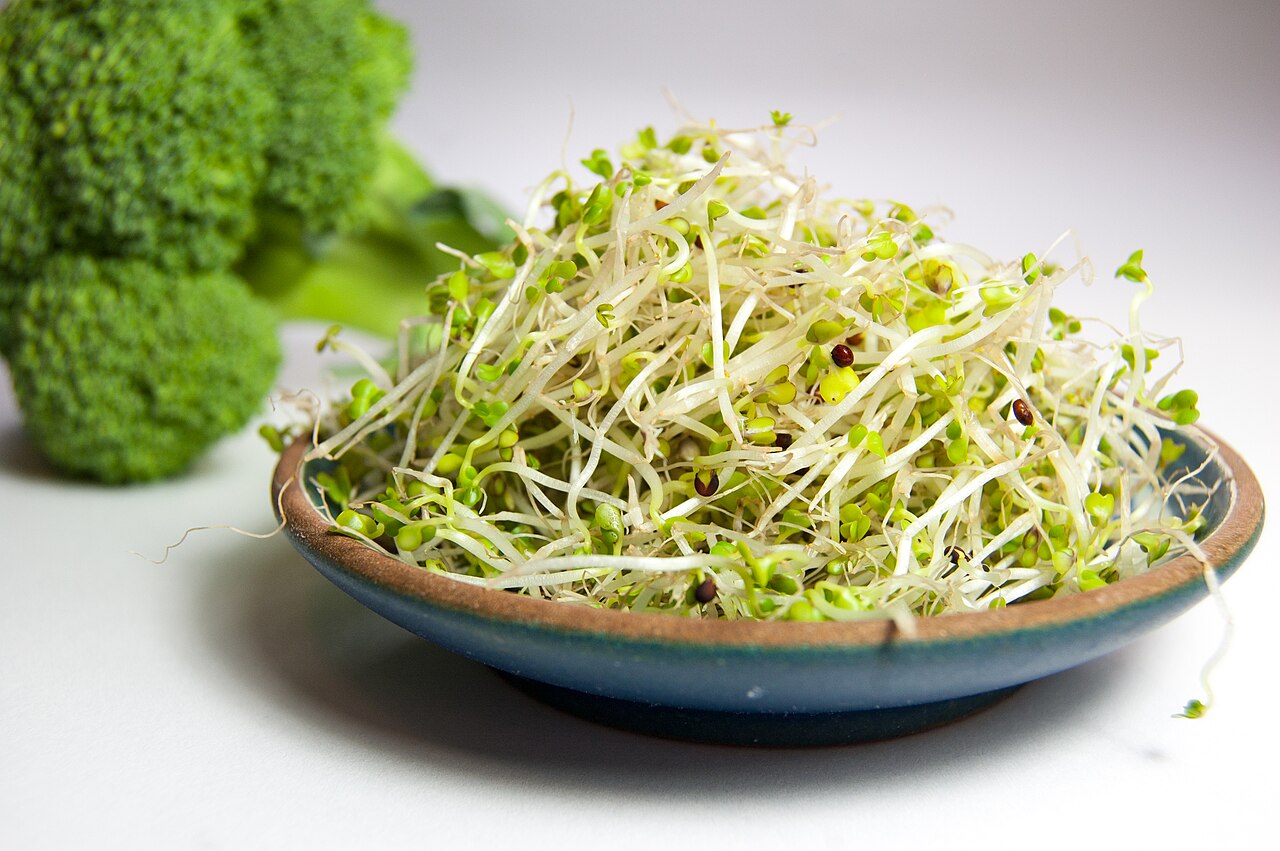
Sulforaphane-rich broccoli sprouts have changed H. pylori biomarkers in some trials, but inconsistent results do not replace antibiotic eradication therapy.
Baking-soda loading may modestly help some high-intensity exercise, but nausea, diarrhea, sodium load, and timing make individualized testing essential.
Butyrate is a real microbial metabolite, but supplement trials use distinct salts, coatings, mixtures, ages, and diagnoses that cannot be merged casually.
Valerian’s sleep evidence is inconsistent, while stomach upset, vivid dreams, sedation, withdrawal symptoms, and product variability deserve attention.
Ginger has condition-specific evidence for nausea and emerging dyspepsia research, but dose, formulation, heartburn, diarrhea, and interactions matter.
Peppermint oil may modestly help some short-term IBS symptoms, but formulation, reflux risk, adverse effects, and inconsistent trials matter.
Prebiotics and fiber overlap, but the terms describe different properties. A microbiome claim needs more than a familiar ingredient name.
Fiber type, symptom pattern, and tolerance can matter more than a blanket instruction to take more. Here is how to read the distinction.