Pre-Workout Caffeine and Stomach Upset: Dose Before Hype
Caffeine can aid performance, but higher doses increase abdominal discomfort, anxiety, insomnia, and rapid-heartbeat risk without guaranteed extra benefit.
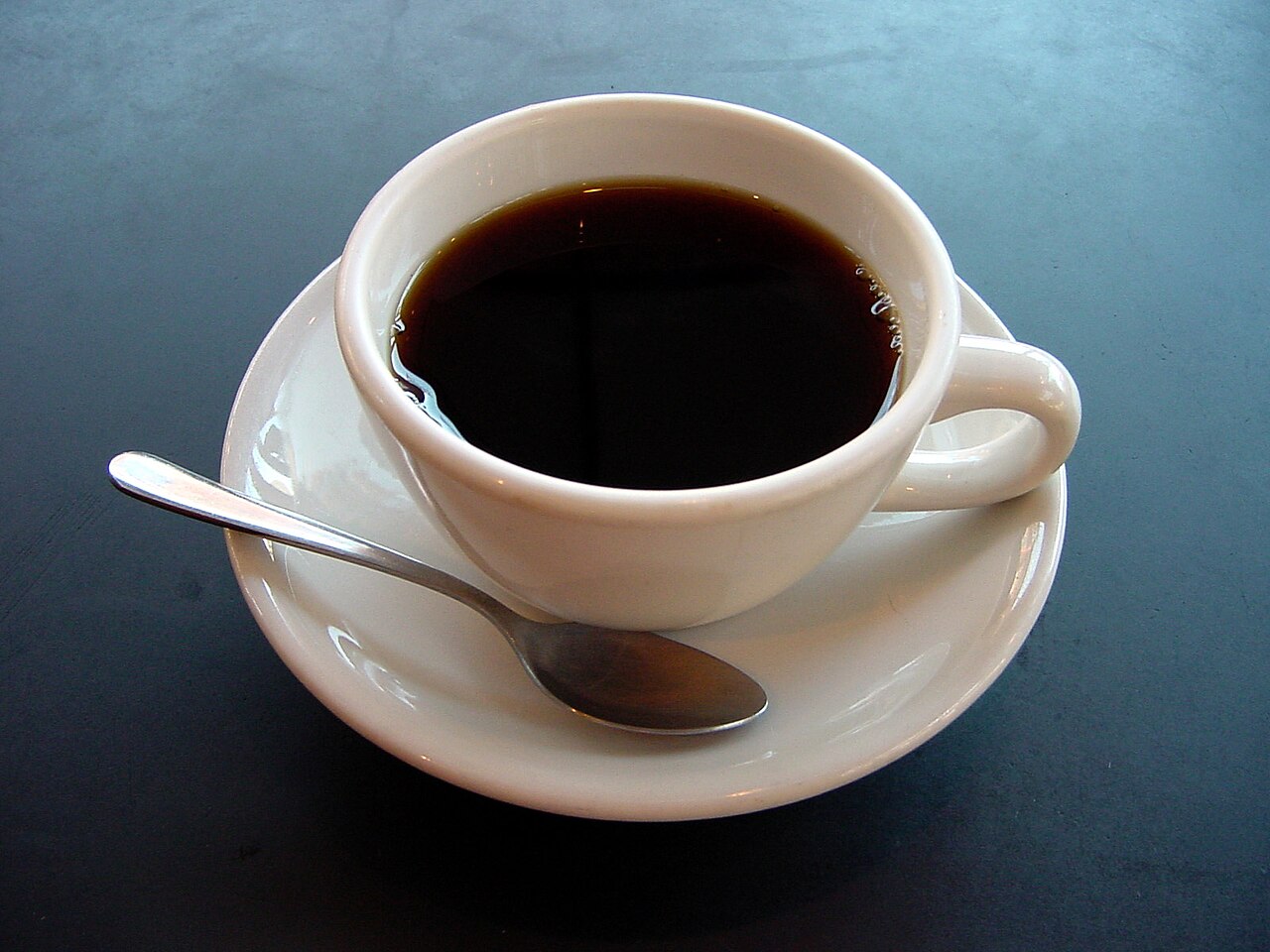
Performance benefits often occur at moderate caffeine doses, while larger doses and stimulant stacks increase side effects without reliably improving results.
Caffeine can help performance without a mega-dose
Caffeine blocks adenosine receptors, increases alertness, and can reduce perceived effort. The NIH Office of Dietary Supplements says many studies report performance benefits around 2 to 6 milligrams per kilogram of body weight, particularly for endurance and repeated high-intensity activity. Responses still vary between individuals.
Taking more is unlikely to keep improving performance and raises the risk of adverse effects. A 70-kilogram athlete reaches 3 milligrams per kilogram at 210 milligrams—an amount already found in many pre-workouts before coffee, energy drinks, gum, or gels are counted.
Proprietary blends can make the calculation difficult. Caffeine may be listed as anhydrous caffeine, guarana, yerba mate, tea extract, or a time-release form. The label should disclose total caffeine, but combining products can still produce an unintended stack.
The latest athlete safety analysis
A 2026 systematic review and meta-analysis evaluated acute side effects in randomized caffeine trials involving 940 athletes. Compared with placebo, caffeine increased reported abdominal discomfort, rapid heartbeat, insomnia, anxiety, nervousness, headache, and other effects. Dose-response analyses linked higher doses with greater risk for several outcomes.
The review found a mean study dose near 4.9 milligrams per kilogram, with a wide range. It concluded that low-to-moderate doses may reduce side-effect risk compared with doses above 6 milligrams per kilogram. A study average does not predict an individual's tolerance, especially when anxiety, sleep loss, or IBS is already present.
Abdominal discomfort is broader than diarrhea. Caffeine can also contribute to nausea, urgency, reflux, or cramping, while exercise itself shifts blood flow and jostles the gastrointestinal tract. A symptom during training may reflect the combination rather than caffeine alone.
Timing and the rest of the formula matter
ODS notes that caffeine reaches peak blood concentrations within roughly 45 minutes and has a half-life of about four to five hours. A late workout can therefore affect sleep long after the session, and poor sleep can undermine recovery more than a marginal stimulant boost helps performance.
Pre-workouts often add sodium bicarbonate, magnesium, sugar alcohols, niacin, botanicals, or large flavor systems. Each can produce gastrointestinal or sensory effects. Testing a plain, known caffeine amount separately is more informative than assuming caffeine caused every symptom from a complex blend.
Fasting, heat, dehydration, pre-competition anxiety, and an unfamiliar carbohydrate load can worsen tolerance. Athletes should test a strategy during ordinary training, not for the first time on race day.
A lower-risk performance experiment
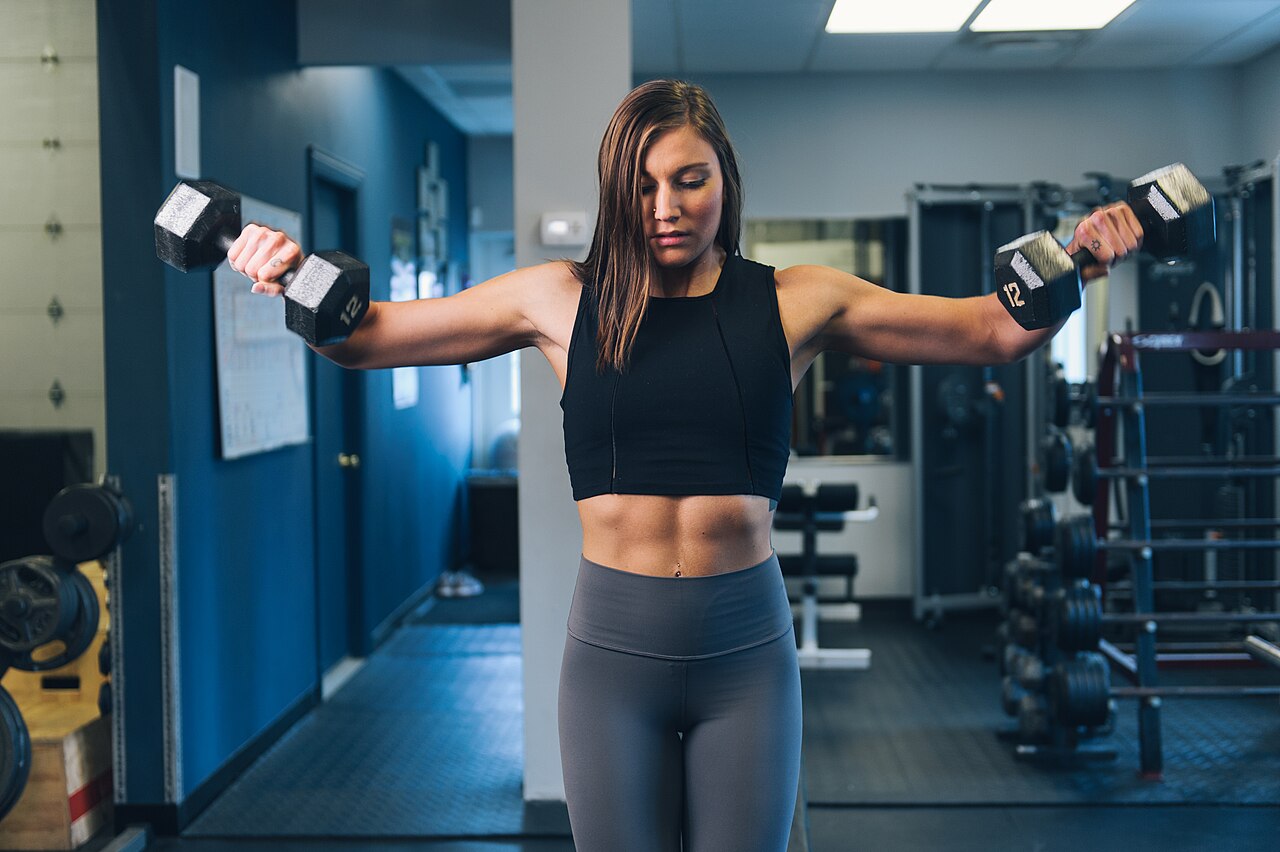
Start at the low end rather than copying a study's maximum or another athlete's serving. Count every source consumed that day and avoid pure powdered caffeine, which is extremely concentrated and difficult to measure safely. Do not combine stimulant products to overcome sleep deprivation.
Track performance, perceived effort, abdominal symptoms, heart rate sensations, anxiety, and sleep that night. If the same workout is not measurably better, side effects may be the only clear result. Reducing the dose or removing caffeine can be a performance decision, not a failure of toughness.
Stop exercise and seek urgent care for chest pain, fainting, severe palpitations, confusion, or repeated vomiting. Persistent diarrhea or abdominal pain also deserves evaluation. Caffeine is an evidence-based ergogenic aid, but the useful dose is the smallest one that produces a real benefit without destabilizing the gut, heart, or sleep. Habitual intake changes the comparison because a pre-workout dose may prevent withdrawal rather than add performance. A caffeine-free baseline session can help clarify the difference. Competition rules and individual medical advice also matter, particularly for adolescents, pregnant athletes, and people with arrhythmias, panic symptoms, or uncontrolled blood pressure. A scoop-based serving should be weighed or leveled exactly as directed, since accidental overfilling can erase the intended dose calculation. Never estimate pure caffeine powder with kitchen tools or an unverified scoop at home. Record the actual caffeine amount rather than describing the serving only as one scoop.
Sources & further reading
This article provides educational information. Ask a qualified clinician or pharmacist about your symptoms, medical conditions, medicines and supplement interactions.