Sodium Bicarbonate for Performance: The Gut Can Erase the Small Benefit
Baking-soda loading may modestly help some high-intensity exercise, but nausea, diarrhea, sodium load, and timing make individualized testing essential.
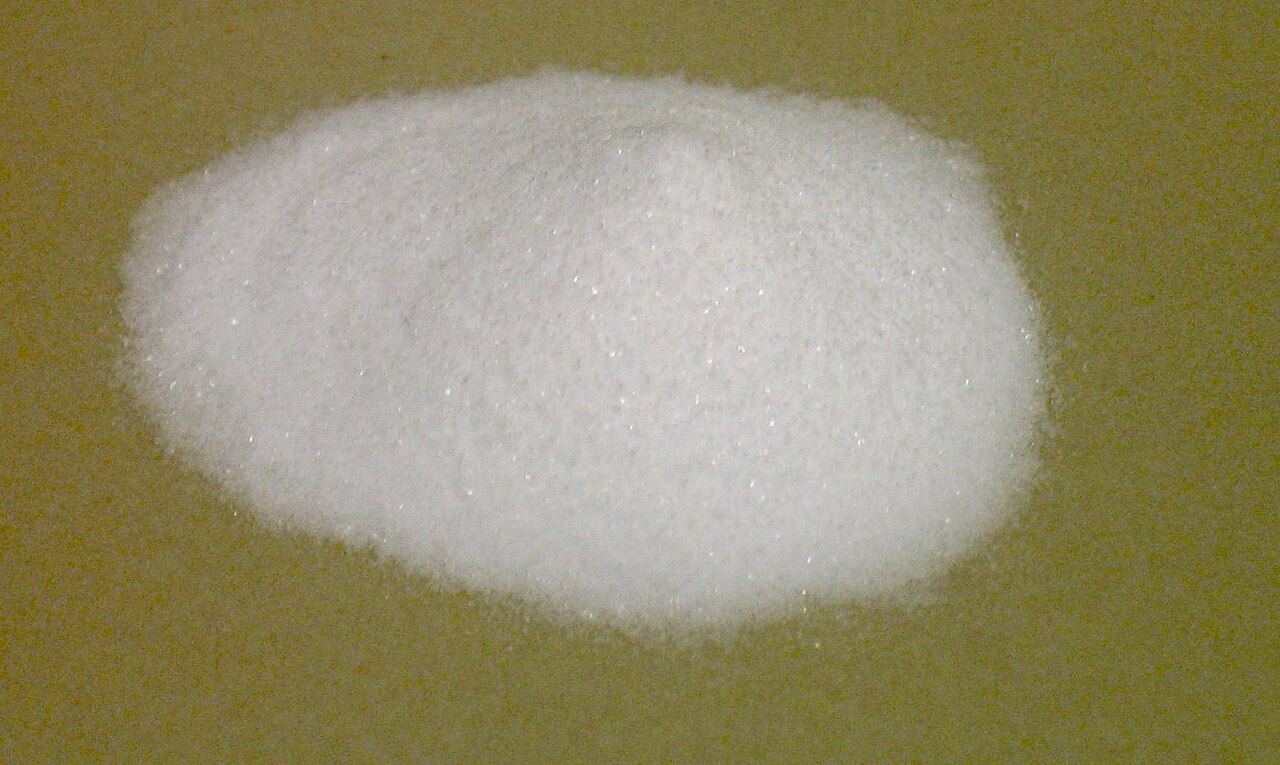
Sodium bicarbonate can provide a small performance benefit in selected efforts, but gastrointestinal distress can outweigh it and high doses deliver substantial sodium.
Why athletes load bicarbonate
Sodium bicarbonate temporarily raises blood bicarbonate and pH, increasing extracellular buffering during intense glycolytic exercise. Research is most relevant to hard efforts lasting roughly one to several minutes or repeated high-intensity bouts, not ordinary low-intensity training.
The NIH Office of Dietary Supplements says studies often use about 300 milligrams per kilogram of body weight. For a 70-kilogram athlete, that is 21 grams of bicarbonate—several teaspoons of baking soda and thousands of milligrams of sodium.
The average performance benefit is modest and inconsistent. Some athletes improve, some show no meaningful change, and others perform worse when nausea, urgency, or vomiting interferes.
The newest review confirms a tolerance problem
A 2026 systematic review summarized 101 investigations that recorded gastrointestinal symptoms with bicarbonate protocols. Common acute doses produced symptoms ranging from mild to severe, with greater problems generally seen as a single dose increased.
Possible mitigation strategies included spreading intake across hours, enteric-coated forms, and mini-tablets within carbohydrate hydrogel. Direct head-to-head comparisons were lacking, so the review could not rank these methods confidently.
A separate 2026 meta-analysis in team-sport athletes found a small average benefit for high-intensity intermittent exercise, but the prediction interval crossed zero and evidence certainty was low. Practical use therefore depends on the individual task and tolerance.
Food and timing can change symptoms
A controlled study comparing ingestion protocols found the lowest gastrointestinal symptom incidence when bicarbonate was taken with food. The researchers suggested a high-carbohydrate meal and a 120-to-150-minute lead time as one way to create alkalosis while reducing symptoms.
That is not a universal prescription. Athletes differ in gastric emptying, meal tolerance, body size, habitual sodium intake, and event timing. A protocol must be rehearsed in training under conditions similar to competition.
Enteric coating may reduce stomach exposure but can shift timing and does not remove the sodium load. Combination pre-workouts can add caffeine or other ingredients that make symptoms and heart-rate effects harder to attribute.

Who should be especially cautious
People with hypertension, heart failure, kidney disease, sodium restrictions, acid-base disorders, or medicines affecting fluid and electrolytes should not experiment without clinical guidance. The dose used for performance is very different from a small amount used in cooking.
Stop for repeated vomiting, severe diarrhea, confusion, weakness, significant swelling, chest symptoms, or fainting. Do not try to replace fluid losses by rapidly drinking excessive plain water.
For a cleared athlete, begin below a full competition dose, document the exact grams and meal, and compare performance with symptoms. If the gut cost is larger than the stopwatch benefit, the protocol has failed even if blood bicarbonate rose.
Kitchen measurement is not precise enough
A teaspoon estimate can vary with packing and utensil shape, while research dosing is calculated by body mass. Use an accurate gram scale and a written protocol. Never assume a larger heaping spoon will create a larger performance gain.
The sodium exposure should be calculated separately. At 27.4% sodium by weight, a standard performance dose can exceed an entire day's usual sodium guidance several times over. That acute load may cause thirst, fluid retention, or blood-pressure concerns even when the athlete tolerates the stomach effects.
Bicarbonate also appears in antacids and household products. Accidental duplication should be included in the day's inventory. Coaches should not distribute an unlabeled communal mixture, particularly to minors or athletes whose medical history and medicines are unknown.
Competition-day experimentation is especially risky because vomiting, diarrhea, or urgent bowel movements can erase any performance benefit. A protocol that works on paper should be rehearsed in comparable training, including the same meal, fluid intake, timing, and dose.
Athletes should also check sport rules and product quality. Sodium bicarbonate itself is a familiar ingredient, but a multi-ingredient performance product can introduce undeclared substances or stimulants that change both tolerance and anti-doping risk.
Sources & further reading
This article provides educational information. Ask a qualified clinician or pharmacist about your symptoms, medical conditions, medicines and supplement interactions.