Saccharomyces boulardii With Antibiotics: Why Positive and Negative Trials Both Matter
The probiotic yeast S. boulardii has mixed antibiotic-associated diarrhea trials. Learn when evidence may apply and who should avoid it.

S. boulardii reduced diarrhea in some antibiotic settings but failed in large hospital trials, and it may be unsafe for critically ill or immunocompromised people.
A probiotic yeast is not just another bacterial blend
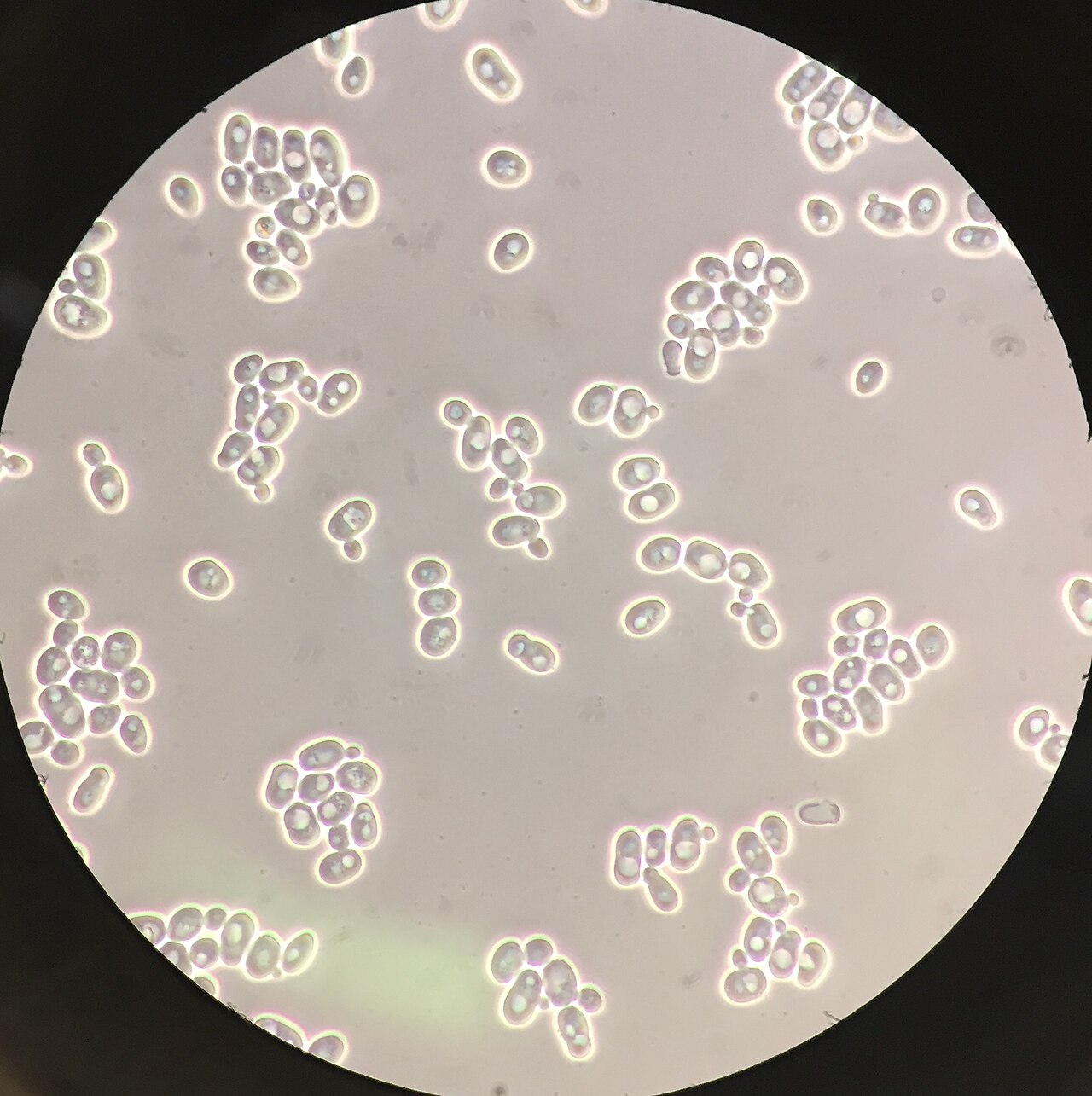
Antibiotics can disrupt the intestinal ecosystem and cause diarrhea, which makes a probiotic sound like an obvious add-on. Saccharomyces boulardii is different from common Lactobacillus or Bifidobacterium products because it is a yeast. Many antibacterial drugs do not kill it directly, a practical reason it has been studied during antibiotic courses.
That feature does not make every product equivalent. Research has used specific preparations, viable doses, timing, and patient groups. A shelf label should name S. boulardii, provide a viable count through the end of shelf life, and include storage instructions. A generic probiotic yeast claim is not enough.
Antibiotic-associated diarrhea also has several causes. Mild loose stool from altered fermentation is different from Clostridioides difficile infection, severe colitis, or diarrhea caused by another medicine. A supplement should never delay testing when diarrhea is frequent, bloody, accompanied by fever, or causing dehydration.

One H. pylori trial found a meaningful reduction
A multicenter trial enrolled people receiving clarithromycin, amoxicillin, and omeprazole for H. pylori eradication. Participants assigned to S. boulardii 500 milligrams twice daily had a lower overall rate of diarrhea than the untreated control group during treatment and follow-up.
This result fits a specific situation: a defined eradication regimen and a defined yeast preparation. The control was no additional treatment rather than a matching placebo, which can influence symptom reporting. The finding does not prove that the same product prevents diarrhea from every antibiotic or in every age group.
It also does not show that S. boulardii eradicates H. pylori. The antibiotics and acid-suppressing medicine were the infection treatment. The yeast was studied as supportive care for an adverse effect. Keeping those roles separate prevents a tolerability finding from turning into an infection-treatment claim.
Large hospital trials found no prevention benefit
A later multicenter double-masked placebo-controlled trial in hospitalized adults was stopped early for futility after 477 participants. Antibiotic-associated diarrhea occurred at similar rates in the S. boulardii and placebo groups. C. difficile-associated diarrhea was uncommon, leaving little ability to prove prevention of that outcome.
Another randomized placebo-controlled trial in older hospitalized patients also found no reduction in antibiotic-associated diarrhea. These negative studies are not footnotes. They show that age, illness severity, antibiotic exposure, baseline risk, and study setting can change the answer.
A positive outpatient or H. pylori result and a negative inpatient result can both be true. Pooling the words antibiotic-associated diarrhea without examining the population makes the evidence look more consistent than it is. The most useful question is whether a trial resembles the person and regimen in front of you.
Safety changes sharply in high-risk patients
S. boulardii is a living yeast. Rare bloodstream infections have been reported, especially in critically ill, immunocompromised, or hospitalized people and those with central venous catheters. Handling an opened capsule near a central line can create contamination risk. These groups should not self-start the product.
A yeast allergy is another reason to avoid it. Antifungal medicines may inactivate the organism, so taking both without advice makes little sense. Pregnancy, severe illness, very young age, and complex immune conditions deserve clinician or pharmacist review rather than a general wellness recommendation.
For a healthy outpatient, adverse effects are often mild, such as gas or constipation, but product quality still matters. Stop and seek care for high fever, blood in stool, severe abdominal pain, confusion, faintness, inability to keep fluids down, or signs of dehydration.
Use a strain-specific decision, not a probiotic reflex
Ask which antibiotic is being used, how long the course lasts, the person's baseline diarrhea risk, and whether there are immune or catheter concerns. Then compare that context with the study. The answer may be reasonable for one outpatient regimen and inappropriate in a hospital room.
If S. boulardii is chosen, use the exact labeled dose and timing recommended by the clinician or pharmacist. Do not replace the antibiotic, shorten the prescription, or use the yeast to treat suspected C. difficile infection. Persistent diarrhea after antibiotics needs assessment because targeted treatment may be required.
The honest close is conditional: evidence supports possible benefit in selected settings, not guaranteed prevention. Mixed trials are a reason to make the decision more precise, not to dismiss all probiotics or assume every capsule works.