Beeturia: When Beetroot Turns Urine or Stool Red—and When to Check for Blood
Beet pigments can temporarily color urine or stool. Learn what beeturia means, why it varies, and which warning signs still need evaluation.

Red color after beetroot is often pigment, but persistent or unexplained red urine or stool should never be assumed to be harmless beeturia.
The color can be dramatic without being blood
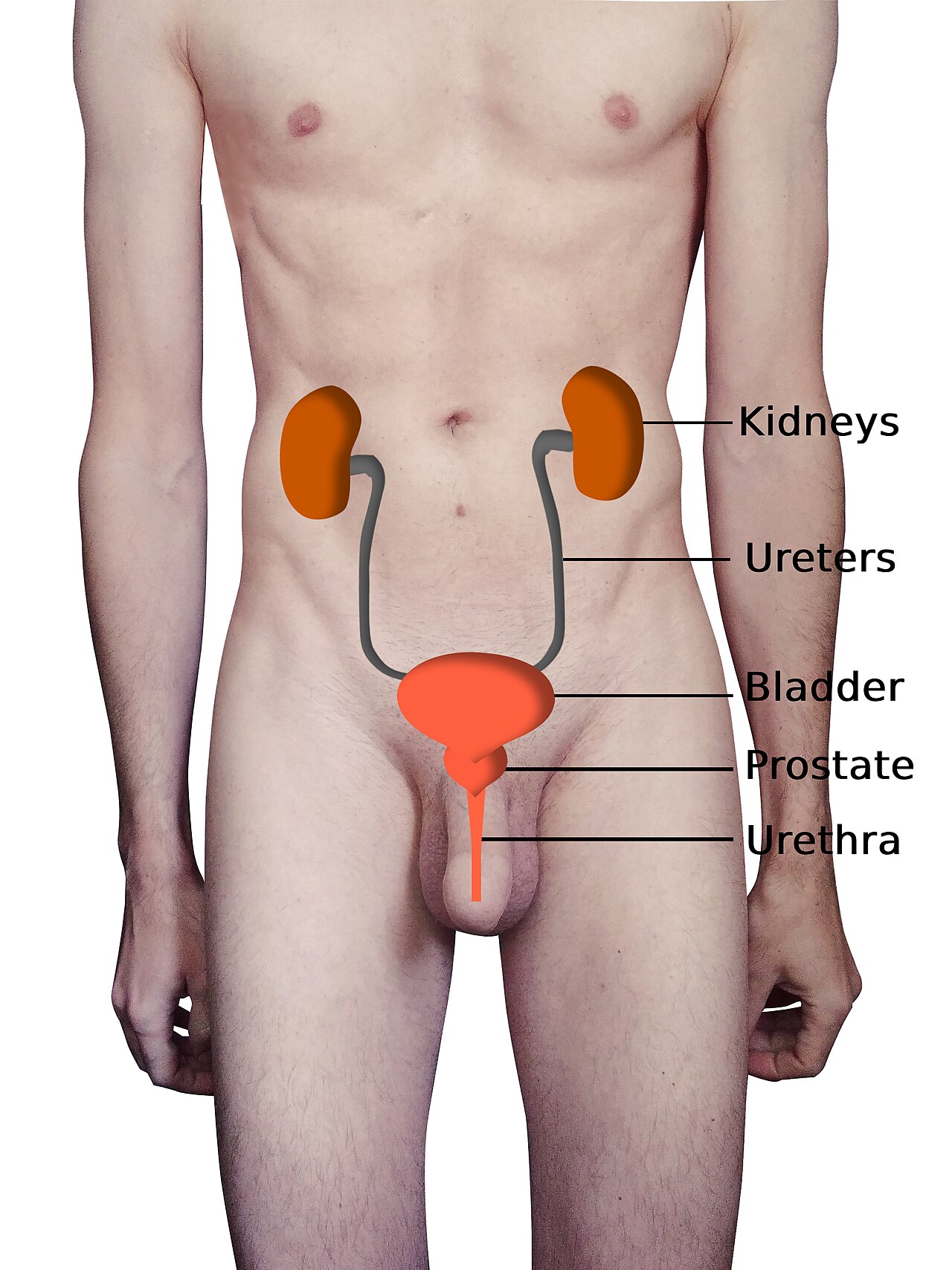
A bowl of beets can produce a startling bathroom surprise: pink or red urine, red-tinged stool, or both. The name for beet-related red urine is beeturia. It reflects beet pigments reaching the urine, not the nitrate pathway that gives beetroot its circulation research story.
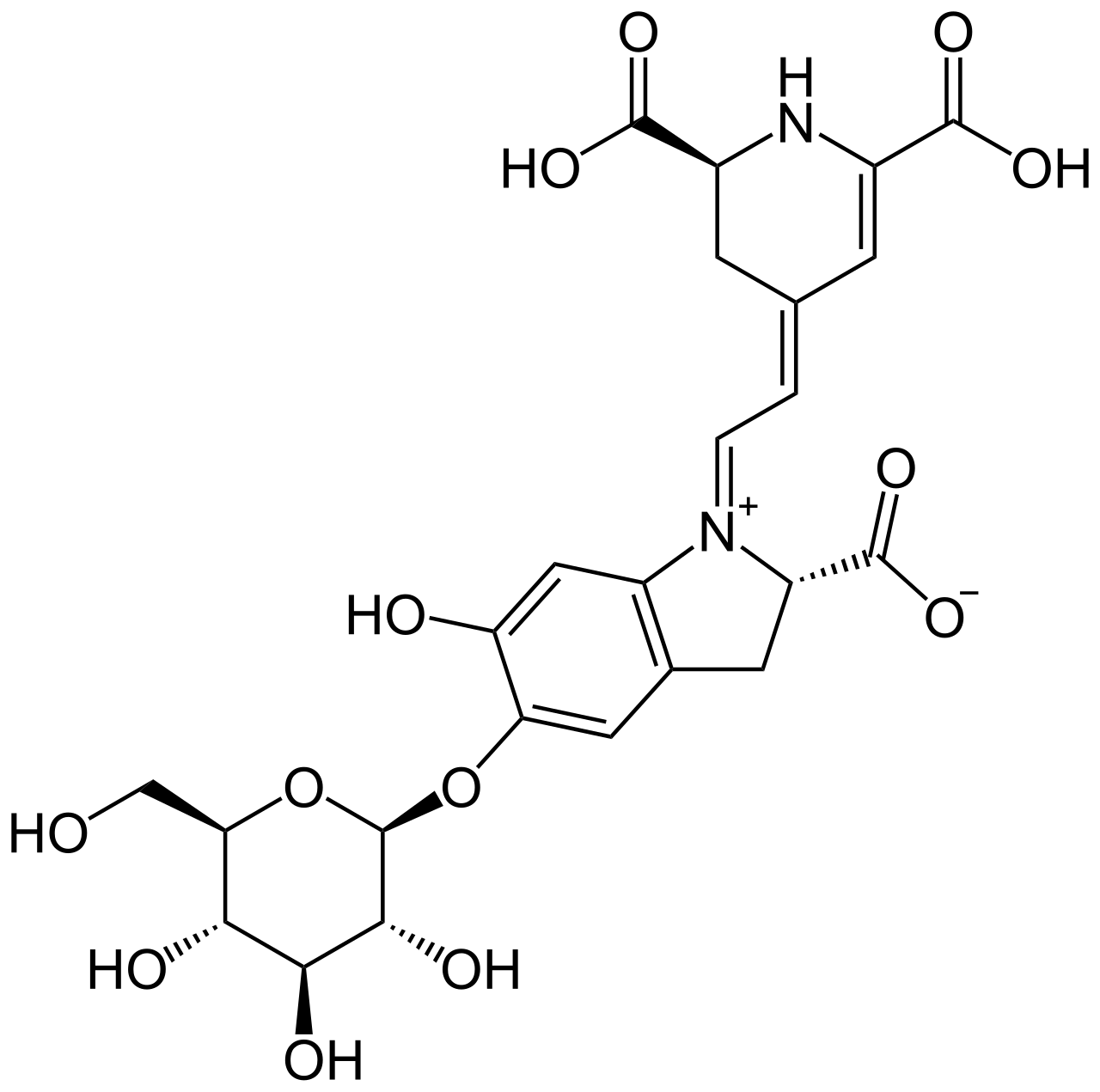
The main red pigment, betanin, belongs to the betalain family. Much of it breaks down during digestion, but a small and highly variable amount can survive, enter circulation, and be excreted. Acidity, food matrix, transit, and individual physiology all affect whether the color stays visible.
Timing helps. Pigment usually appears within hours after beetroot and clears after the food leaves the system. Color that occurs without recent beet intake, persists, includes clots, or comes with pain should not be labeled beeturia at home.
Human studies show very low and variable pigment recovery
A classic human study gave beetroot extract to 100 people and measured urinary betacyanins. Only four produced visibly red urine, and pigment recovery was a small fraction of the oral dose. The investigators concluded that variability was more closely related to pigment stability in digestion than to a simple liver or kidney defect.
A newer human study measured renal and fecal excretion after beetroot consumption. Urinary recovery remained very low, while pigments and their transformation products varied widely between people and between urine and stool. Gut transit and microbial processing added to that variability.
These findings explain why two people can eat the same meal and see different colors. They do not make visible beeturia a reliable test for stomach acid, iron deficiency, malabsorption, or microbiome health. An association in older reports is not a diagnosis.
Food matrix and serving size change the exposure
A randomized crossover study comparing beetroot juice with crunchy beet slices found different timing of urinary pigment excretion. Processing changes how pigments are released and protected. Pickled beets, juice, powder, and capsules therefore may not create the same color response.
More intense color does not mean more nitric oxide support. Betanin concentration and nitrate concentration are separate specifications. A dark red product can contain pigment without providing a quantified nitrate dose, and a circulation study should not be interpreted from bathroom color.
Hydration also changes appearance by diluting urine. Very concentrated urine can make pigment look deeper. Still, drinking excessive water to clear the color is unnecessary and can be unsafe. Ordinary hydration and observation after stopping beetroot are usually enough.
A beetroot capsule can still create a label question
People who prefer capsules should read the declared beetroot amount and serving rather than assuming the lack of juice prevents pigment exposure. VitaVein, for example, currently lists one capsule daily and 1,300 milligrams of beetroot powder per serving; that weight is not a measured nitrate or betanin amount.
The product is currently sold as a one-time purchase with no subscription. Its heart-health and circulation positioning does not turn beeturia into proof of benefit. Ingredient research and the finished capsule remain different questions, and users should not infer a dose-response from urine color.
Anyone taking blood thinners, blood-pressure medicines, or treatment for kidney disease should discuss concentrated supplements with a clinician. Beetroot food and supplements can also add potassium, oxalate, or other compounds depending on preparation.
Use a simple check without ignoring warning signs
Stop beetroot for a day or two and watch whether the color clears. Note whether red appears in urine, on toilet paper, mixed through stool, or as streaks on the surface. That description helps a clinician distinguish urinary, intestinal, hemorrhoidal, and food-related possibilities.
Seek prompt care for clots, painful urination, flank pain, fever, dizziness, weakness, black tarry stool, significant rectal bleeding, or red color that continues without beet exposure. A home urine dipstick can also be misleading and should not replace evaluation when symptoms are concerning.
Beeturia is usually a temporary pigment story. The safe habit is to connect the timing to beet intake, let the color clear, and avoid turning a striking but nonspecific observation into a diagnosis or a supplement performance test.