Acacia Fiber for IBS-C: Better Stool Frequency Does Not Mean Every Symptom Improves
A recent IBS-C trial found more frequent stools with acacia fiber, while stool consistency and quality of life did not clearly improve.
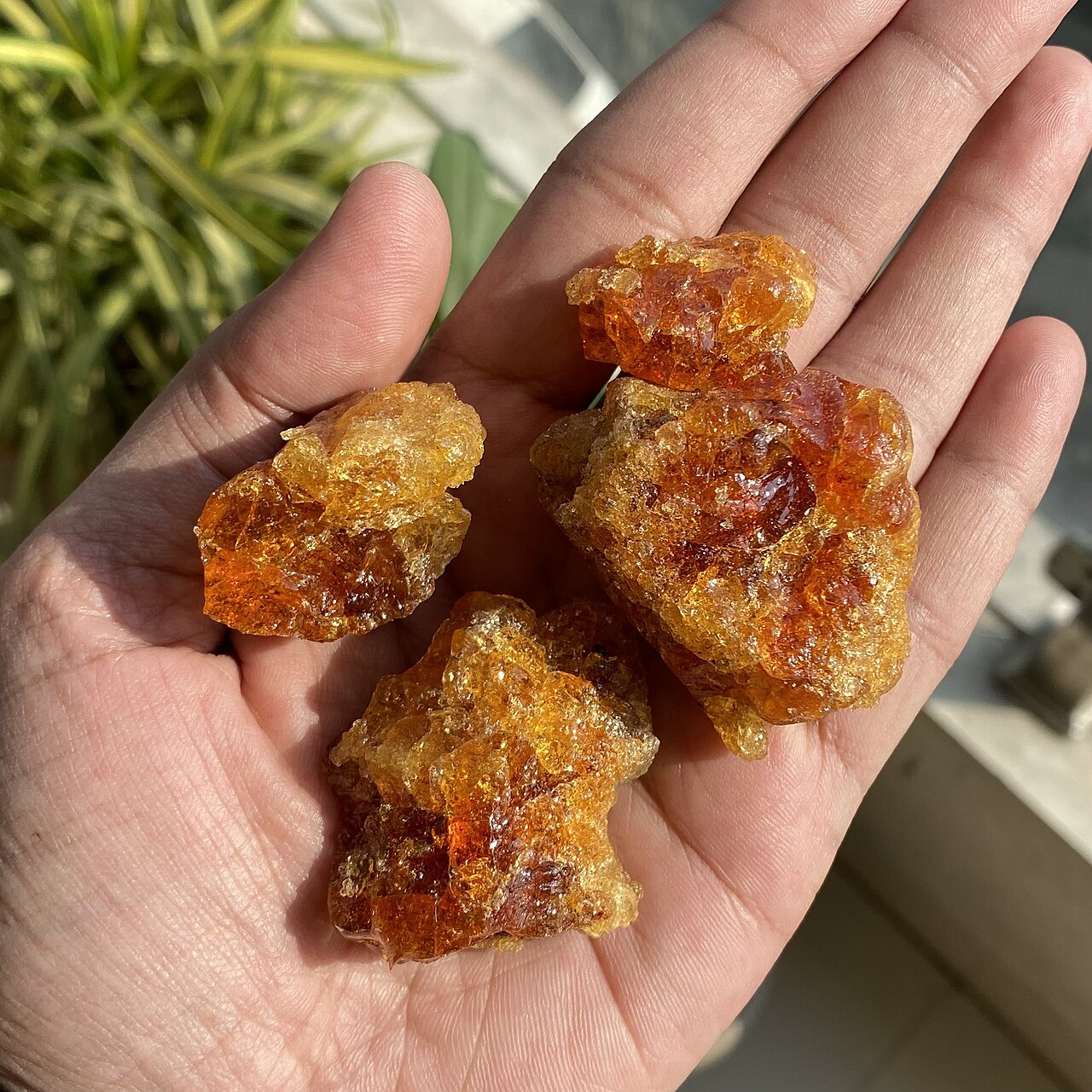
Ten grams of acacia fiber improved stool frequency in a four-week IBS-C trial, but broader symptom and quality-of-life results were limited.
A gentler reputation still needs a measured test
Acacia fiber is often marketed as an easygoing prebiotic for sensitive stomachs. It dissolves well, has little flavor, and is less gritty than some bulking fibers. Those are practical advantages, but gentle marketing cannot predict whether it will reduce pain, improve stool, or trigger fermentation symptoms in one person.
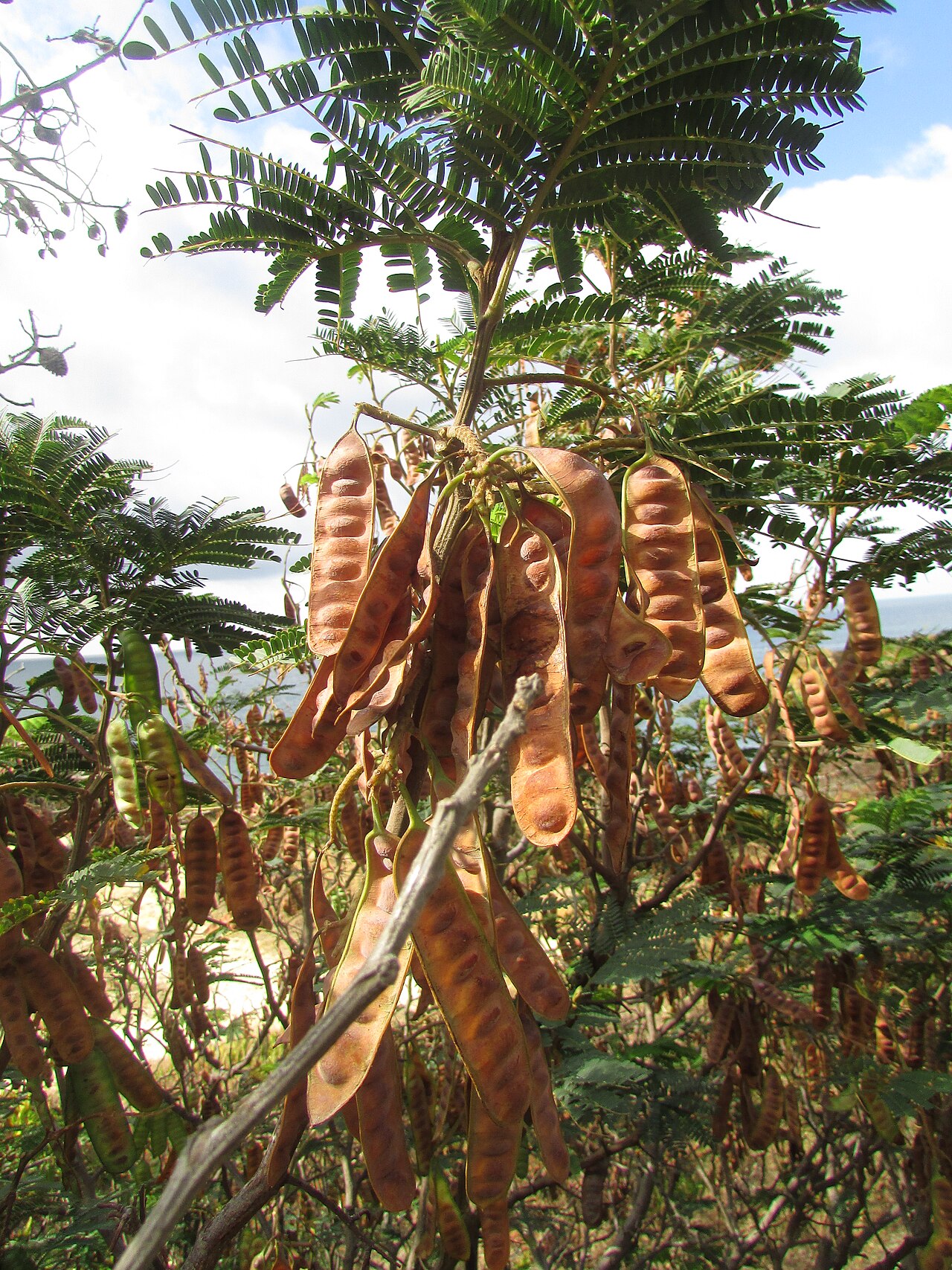
The ingredient is a complex soluble fiber made from dried gum collected from Acacia species. Human enzymes do not fully digest it in the small intestine. Colonic microbes ferment parts of it, producing metabolites and gas. That biology explains both the prebiotic interest and the possibility of bloating.
Acacia is not interchangeable with psyllium, inulin, wheat bran, or partially hydrolyzed guar gum. Each has a different structure, water-holding behavior, and fermentation pattern. A label that says prebiotic fiber without naming the source makes it hard to connect the product to any trial.

The recent IBS-C trial improved frequency, not everything
A 2024 randomized double-blind placebo-controlled trial enrolled 180 adults meeting Rome IV criteria for constipation-predominant IBS. Participants received 10 grams of acacia fiber, a Bifidobacterium lactis preparation, or maltodextrin placebo daily for four weeks after an observation period.
Stool frequency improved significantly with acacia fiber compared with placebo. However, stool consistency, stool mass, and quality-of-life measures did not significantly differ. Constipation symptom scores showed a trend rather than a clear between-group improvement. That pattern matters: going more often is not identical to feeling fully better.
The probiotic arm had its own results and should not be blended with the fiber finding. The study tested a defined acacia dose in IBS-C, not all IBS types. Someone with diarrhea-predominant IBS, inflammatory bowel disease, or ordinary occasional constipation is a different population.
Other trials show why dose and context matter
A randomized trial in adults at risk for metabolic syndrome examined gum arabic and included gastrointestinal symptoms among its outcomes. Other controlled work using acacia-containing fiber mixtures has reported more flatulence. These studies were not designed as direct confirmation of the IBS-C result, but they reinforce that fermentation is noticeable.
An older trial of a yogurt containing both acacia fiber and Bifidobacterium lactis cannot reveal what the fiber contributed by itself. Combination research is common in this category. A positive result from a yogurt, probiotic, and fiber package should not be presented as proof for plain acacia powder.
The useful conclusion is modest. Acacia can increase stool frequency for some people, and its texture may make daily use easier. Evidence is not strong enough to promise comprehensive IBS relief, microbiome repair, or freedom from gas.
Titrate more slowly than the marketing suggests
A person who wants to try acacia fiber can begin below the studied 10-gram amount and increase every several days. Use the product's gram weight, not a rounded scoop description, and keep fluid intake consistent. Starting several fermentable fibers together makes the tolerance test unreadable.
Track bowel frequency, stool form, pain, bloating, and urgency separately. If frequency improves but pain or distension worsens, that is a mixed result rather than success. Reducing the dose may preserve benefit. Continuing to escalate because the full serving is printed on the label is not necessary.
Separate fiber from oral medicines when advised by the prescriber or label, because changes in transit or physical binding can affect medication use. People with swallowing difficulty, suspected narrowing, severe unexplained pain, or a history of obstruction need professional guidance before adding a bulking product.
Make the goal specific before buying
Acacia fiber is easiest to judge when the goal is concrete: more frequent complete bowel movements with acceptable comfort. That goal fits the strongest direct trial better than a broad promise to balance the microbiome. Microbial changes are not automatically symptom changes.
Compare products by acacia amount per serving, added sweeteners, other fibers, and the number of servings needed to reach a studied dose. A proprietary blend can hide whether acacia is present in a meaningful amount. Third-party quality information helps with identity, but it cannot prove clinical benefit.
Give one carefully titrated trial a fair chance, then keep or stop it based on the whole symptom picture. Constipation with bleeding, anemia, fever, vomiting, severe pain, or weight loss needs evaluation. Fiber is a tool, not a reason to postpone a diagnosis.