Broccoli Sprouts and H. pylori: Lower Biomarkers Are Not Reliable Eradication
Sulforaphane-rich broccoli sprouts have changed H. pylori biomarkers in some trials, but inconsistent results do not replace antibiotic eradication therapy.
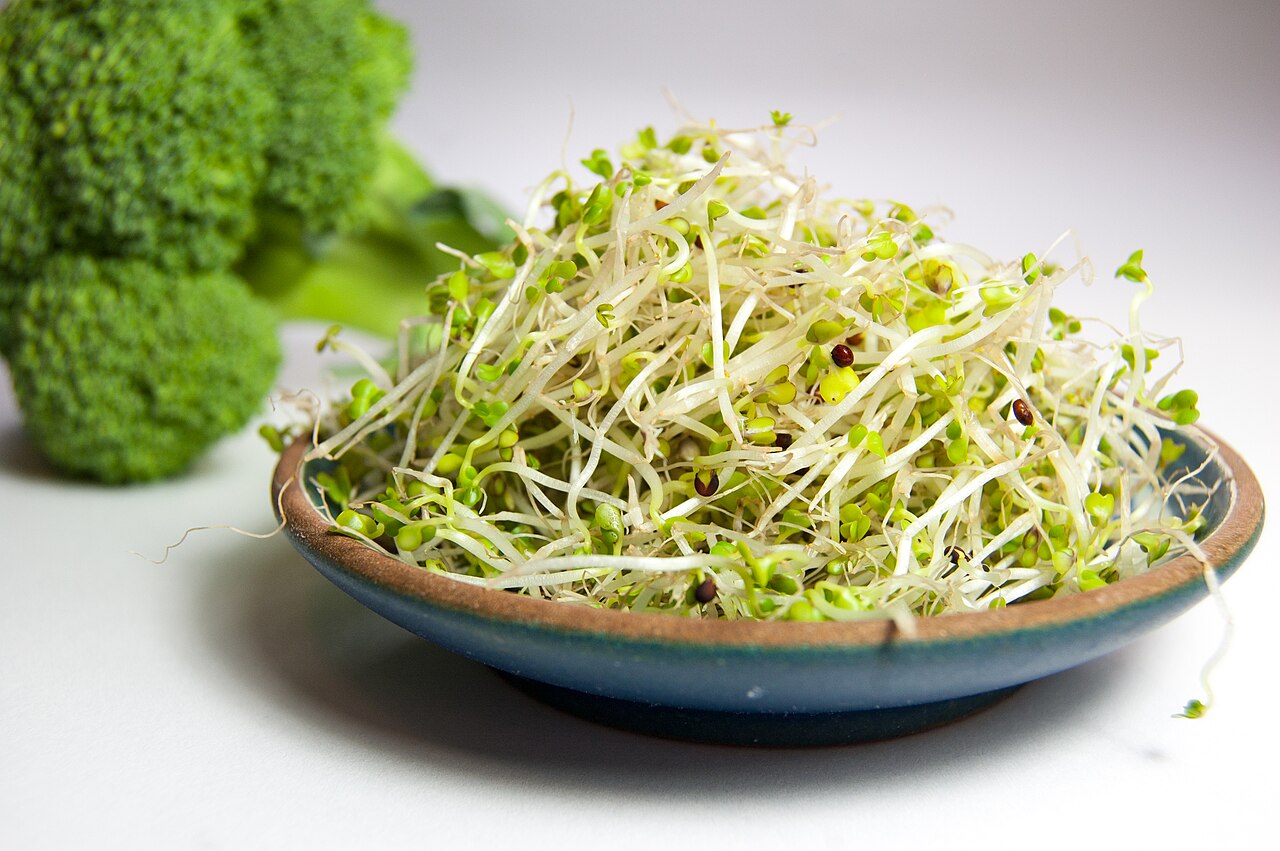
Broccoli-sprout interventions may temporarily influence H. pylori or gastric-inflammation markers, but trials do not establish dependable eradication.
H. pylori is an infection with long-term stakes
Helicobacter pylori can cause chronic gastritis, peptic ulcers, and increased stomach-cancer risk. Diagnosis usually relies on breath, stool, biopsy, or other validated testing. Symptoms alone cannot determine whether the infection is present or whether it has been eradicated.
Broccoli sprouts contain glucoraphanin, which can be converted to sulforaphane. Laboratory findings suggest antimicrobial, antioxidant, and cellular-defense effects. Those mechanisms have prompted human trials, but a food affecting a biomarker is different from a treatment consistently clearing infection.
Sulforaphane content varies with seed variety, sprout age, preparation, myrosinase activity, storage, and extract standardization. A handful of sprouts, a frozen powder, and a standardized capsule are not equivalent exposures.
One food trial showed temporary biomarker changes
A randomized study assigned 48 infected participants to eat sulforaphane-rich broccoli sprouts or alfalfa sprouts for eight weeks. Urea-breath-test and stool-antigen values decreased in the broccoli group, along with pepsinogen markers of gastric inflammation.
The values returned toward baseline after the intervention stopped. That pattern suggests a temporary effect on colonization or host response rather than dependable eradication. The study did not establish that sprouts could replace standard multidrug therapy.
A falling breath-test value is not automatically a negative post-treatment test. Eradication requires a validated test performed at the correct interval after therapy, with attention to medicines that can produce false-negative results.
Other randomized trials were less persuasive
A double-blind trial of broccoli-sprout extract found no significant reduction in H. pylori infection density by breath testing or gastric ammonia. It did find a reduction in a gastric oxidative-damage marker, showing again that an antioxidant measurement and bacterial eradication are separate outcomes.
A 2022 randomized trial of broccoli-seed extract reported changes from baseline in some inflammatory and gastric markers, but between-group differences were limited and eradication rates did not differ significantly. The authors described possible mucosal effects, not a replacement cure.
Together, the studies show why selective citation is risky. One can quote a lower biomarker from one trial while ignoring a negative infection-density result from another.
Food can complement care without substituting for it
Someone with confirmed H. pylori should discuss guideline-based eradication therapy and follow-up testing with a clinician. Incomplete treatment can leave infection and contribute to antibiotic resistance. Sprouts should not be used to delay care for bleeding, anemia, severe pain, repeated vomiting, or weight loss.
Broccoli sprouts can fit into a varied diet if they are handled safely, but raw sprouts carry foodborne-illness risk, especially for pregnant, older, or immunocompromised people. A concentrated supplement adds separate questions about dose and quality.
Current research supports interest in sulforaphane and gastric biology, not a dependable eradication claim. A temporary shift in colonization markers is scientifically meaningful while still being insufficient to declare the infection gone.
Eradication testing has rules supplements cannot bypass
A post-treatment breath or stool test is usually timed after antibiotics are completed and after certain acid-suppressing medicines are held as directed, because testing too early can give a misleading result. The treating clinician should specify the interval and medication instructions.
A broccoli product that lowers urease activity could theoretically influence a breath measurement without permanently clearing all organisms. That is another reason not to test casually during supplementation and interpret a lower number as cure.
Standard eradication regimens combine medicines because H. pylori is difficult to clear and antibiotic resistance matters. Food research may eventually inform supportive strategies, but it does not justify partial treatment. The clinically important endpoint is confirmed eradication with reduced ulcer and cancer risk, not a temporary antioxidant change.
Ask whether a commercial extract delivers sulforaphane itself, its precursor glucoraphanin, or both, and whether active myrosinase is present. Those details change exposure, but none establish eradication. Product chemistry cannot replace a clinical outcome.
Cooking and storage can also alter these compounds, so a serving of sprouts is not interchangeable with every capsule or powder. If sprouts are eaten, ordinary food-safety practices still matter, particularly for people at higher risk from foodborne illness.
Sources & further reading
This article provides educational information. Ask a qualified clinician or pharmacist about your symptoms, medical conditions, medicines and supplement interactions.