Fenugreek and Blood Sugar: Why Diabetes Medicines Change the Safety Picture
Fenugreek has glucose-lowering trial signals, but preparations vary and combining it with diabetes medicine can raise safety and monitoring questions.
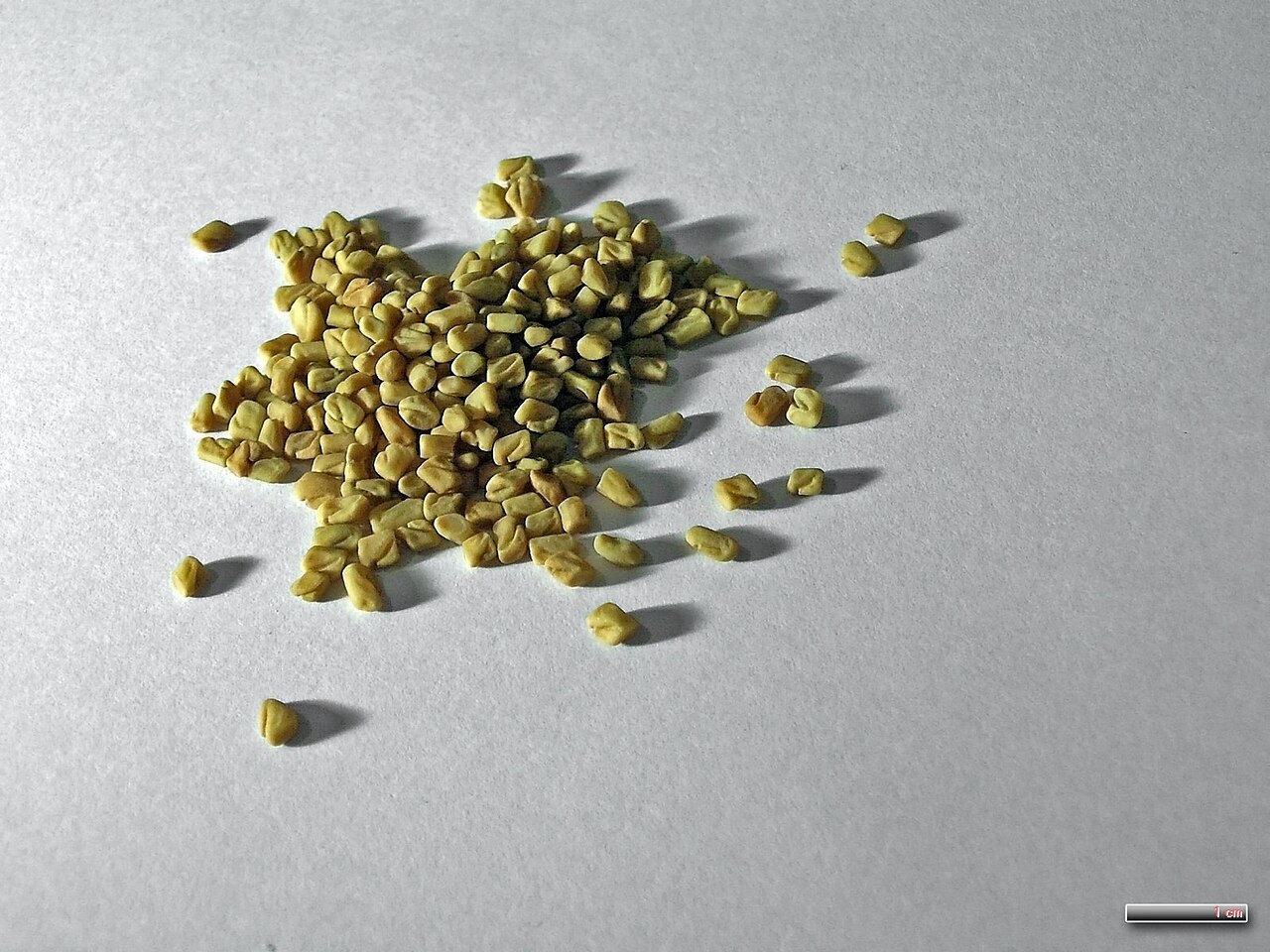
Fenugreek may modestly lower glucose in some studies, but seed, powder and standardized extracts are not interchangeable. Diabetes medicines make monitoring and clinician input especially important.
A food spice can still have a drug-like effect
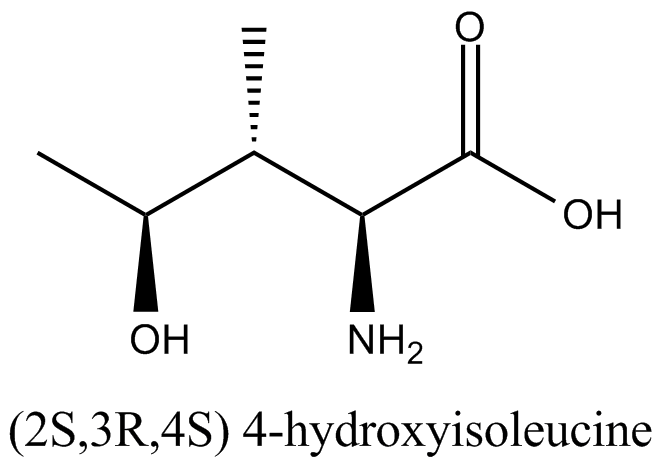
Fenugreek can affect blood sugar, which makes the medication context more important than its familiar spice status. The seeds bring fiber, saponins and compounds such as 4-hydroxyisoleucine into the same ingredient. Human trials report reductions in some glucose measures, but a kitchen amount is not the same exposure as grams of powder or a concentrated extract.
That variation makes the label essential. Whole seed, defatted seed, hydroalcoholic extract and a branded standardized extract cannot borrow one another’s results. A pre-workout caffeine discomfort guide shows the same sports-supplement lesson: a familiar natural ingredient can still have dose- and form-specific effects.
What controlled studies suggest
A randomized study in people with type 2 diabetes tested 10 grams per day of fenugreek seed and reported improved fasting glucose and glucose tolerance. A newer randomized trial evaluated a standardized fenugreek extract and found improvements in several glycemic outcomes. The products and doses were not equivalent.
Systematic reviews generally find a glucose-lowering signal, but they also highlight heterogeneity and study-quality limitations. Some trials are small, short or use poorly described preparations. A creatine stomach-upset guide likewise shows why preparation and dose matter. None of this supports replacing metformin, insulin, nutrition therapy or regular monitoring.
Medication makes the margin for error smaller
If fenugreek lowers glucose, combining it with insulin or a sulfonylurea could contribute to glucose falling too low. The exact risk is difficult to quantify because supplement potency varies. Symptoms such as sweating, shaking, confusion, weakness or a fast heartbeat need prompt attention and the individualized low-glucose plan provided by a clinician.
Do not reduce or skip diabetes medicine to make room for a supplement. A protein-shake bloating guide helps separate gastrointestinal tolerance from glucose effects; they are not the same outcome. Ask whether extra checks are appropriate after any change. Also review anticoagulants, pregnancy, allergy to legumes and upcoming surgery. Fenugreek can cause gastrointestinal upset.

How a multi-ingredient formula changes the question
Max T is a testosterone-support supplement whose current formula includes fenugreek along with ingredients such as tongkat ali, ashwagandha and L-arginine. It is not a diabetes treatment, and research on fenugreek alone does not prove that the finished product lowers glucose or raises testosterone in a particular user.
A testosterone-booster stomach-upset guide helps separate ingredient count from tolerability. With a blend, any glucose change or side effect is harder to assign. People using diabetes medicine should show the complete label to a pharmacist rather than judging only the fenugreek line or assuming a sports-oriented product is metabolically neutral.
Build a safe decision, not a supplement stack
Choose one goal. If it is glucose management, start with the treatment plan and monitoring recommended by the diabetes care team. If it is sports performance or testosterone support, evidence and safety still need to match that goal. An ashwagandha stomach and liver safety guide is relevant when a formula contains both ingredients.
Stop and seek advice for repeated low readings, severe diarrhea or vomiting, rash, breathing difficulty, jaundice or dark urine. Fenugreek research is interesting, but preparation differences and medication effects are the practical center of the decision. A measured conversation beats an unmonitored trial—especially when glucose can change before you feel it.
Bring the exact serving size and standardized-extract information to the discussion. Record glucose using the schedule your clinician recommends rather than checking randomly until a favorable number appears. If the product contains several active herbs, note the start date and do not add another formula at the same time. Clear records make it easier to spot a real change and safer to reverse course. Keep fast-acting carbohydrate available if your diabetes plan already calls for it. Report the supplement during every medication reconciliation, including before surgery. Store the bottle with its original label so the ingredient list stays available for regular review.
If a supplement goal is optional while glucose control is essential, safety monitoring and the prescribed diabetes plan should clearly take priority.