Testosterone Booster Stomach Upset: Find the Ingredient Before Blaming the Whole Stack
Fenugreek, ashwagandha, minerals, and multi-ingredient stacks can affect the gut. Use this label-first plan for nausea, gas, or diarrhea.
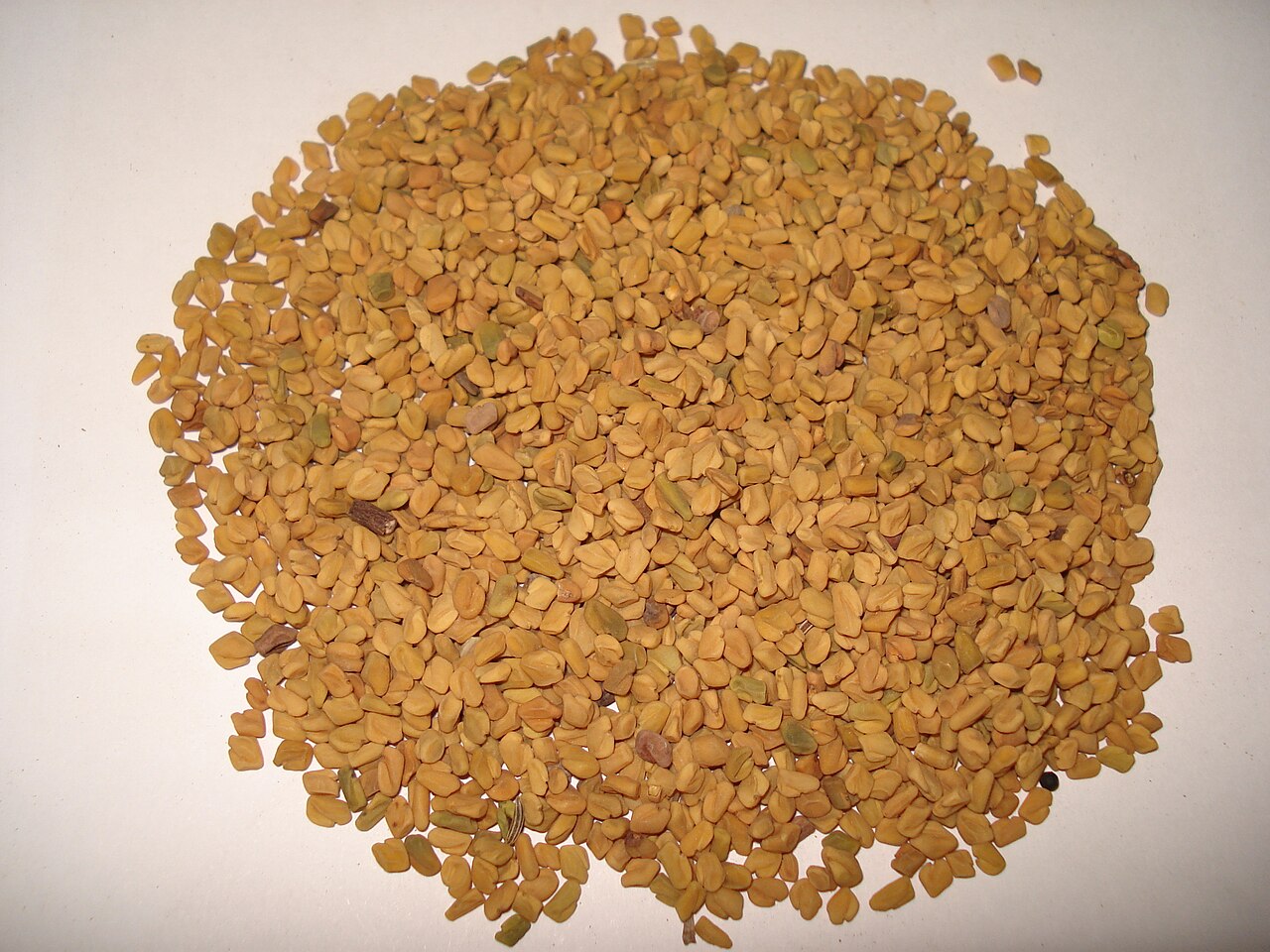
Multi-ingredient testosterone boosters make side effects difficult to trace; ingredient form, dose, timing, and duplicated supplements should be reviewed first.
A long formula creates a short list of suspects
Nausea after a testosterone booster does not prove that testosterone changed. It usually points first to the product itself: a botanical extract, mineral dose, capsule load, sweetener, or combination taken on an empty stomach. Multi-ingredient formulas make the cause harder to identify.
Fenugreek can cause diarrhea, gas, nausea, or vomiting in some users. Ashwagandha may cause stomach upset, loose stool, nausea, or vomiting and has rare liver-injury reports. Zinc often causes nausea when taken without food, while magnesium oxide can loosen stool. These effects can overlap.
The ingredient name is only a starting point. Extract ratios, plant parts, standardization, and daily amounts differ. A study of one fenugreek or ashwagandha extract cannot prove the effectiveness or tolerance of a different blend.

Testosterone research does not erase digestive limits
A 2024 double-blind randomized study tested several doses of a specific fenugreek preparation in older men. Some testosterone measures changed, while several comparisons with placebo were not statistically clear and no subjective effects were found. The trial cannot be transferred to every fenugreek dose or product.
An eight-week randomized resistance-training trial of a standardized ashwagandha extract reported changes in strength, muscle mass, and testosterone-related measures. It was small, involved young men with limited training experience, and tested one extract. It was not a general trial of testosterone-booster stacks.
Newer systematic reviews find that results depend heavily on formulation and study design. Even when an ingredient has a positive average signal, the finished blend still needs its own evidence. A stomach symptom is not evidence that the formula is potent or that hormones are responding.
Use the live label, not the brand category
Max T is currently sold as a multi-ingredient testosterone-support capsule powered by T-Synex, with listed core bioactives including fenugreek, long jack, KSM-66 ashwagandha, L-arginine, tribulus, and Butea superba. Those verified label features do not establish a finished-product digestive or testosterone outcome.
The product page offers one-, two-, and three-bottle bundles as one-time purchase choices. Before buying any bundle, compare the current Supplement Facts with every other pre-workout, sleep, mineral, and vitality product in the routine. Duplicated zinc, magnesium, or ashwagandha can change tolerance.
Claims tied to individual ingredients should remain ingredient claims. A proprietary delivery-system name does not show which ingredient caused nausea or which dose matches a trial. If the full per-serving amounts are unavailable, uncertainty should be part of the decision.
Troubleshoot one variable at a time
Stop the nonessential product until symptoms settle, especially after vomiting or diarrhea. If a clinician says a retrial is reasonable, restart only that product at the labeled dose with the same type of meal. Do not split capsules or exceed instructions unless the manufacturer and clinician confirm it is appropriate.
Write down dose, meal, caffeine, alcohol, exercise, and symptom timing. A reaction within an hour suggests a different pattern from loose stool the next day. Do not add a probiotic, antacid, and fiber powder simultaneously; that turns a simple tolerance check into another stack.
Third-party testing can support identity and contamination screening but does not prove benefit or eliminate interactions. Athletes subject to testing should use certified products and recognize that a retail claim of testing is not the same as a recognized sport-certification program.
Know when the symptom is more than routine nausea
Stop and seek medical advice for yellow skin or eyes, dark urine, pale stool, severe upper-abdominal pain, persistent vomiting, faintness, facial swelling, wheezing, or a widespread rash. These are not ordinary signs that a supplement is working.
People with thyroid disease, autoimmune conditions, liver disease, diabetes treatment, blood-pressure medicines, or upcoming surgery should review ashwagandha, fenugreek, and the entire blend with a clinician. A testosterone concern also deserves proper symptoms, history, and morning laboratory testing rather than a supplement guess.
The practical rule is label first, one product at a time, and no heroic tolerance. A booster that repeatedly disrupts eating, training, or sleep has failed the real-world test, regardless of how impressive its ingredient story sounds.