Peppermint Oil for IBS: What Enteric Coating and Mixed Trial Results Mean
Peppermint oil may modestly help some short-term IBS symptoms, but formulation, reflux risk, adverse effects, and inconsistent trials matter.
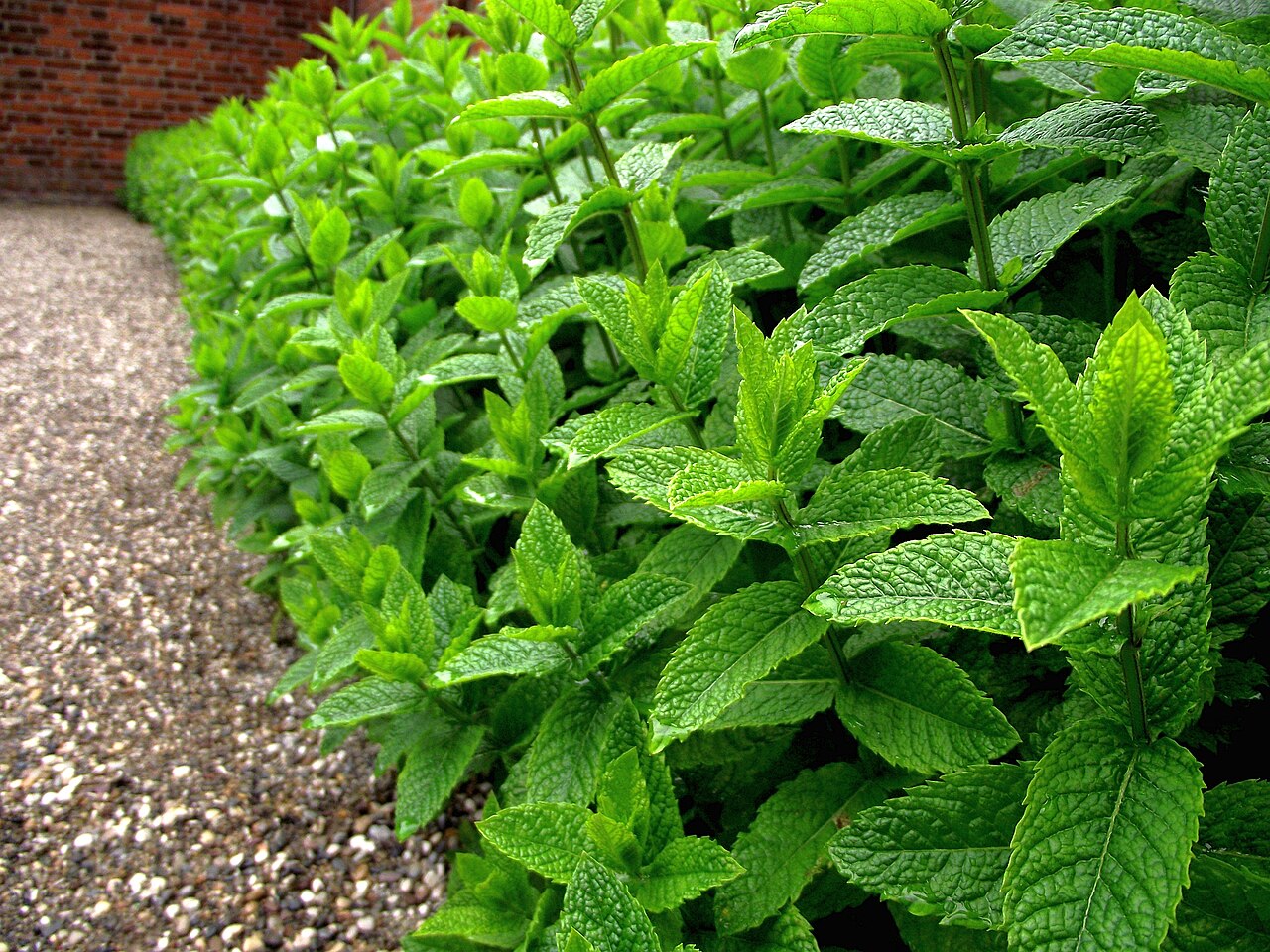
Enteric-coated peppermint oil has limited short-term evidence for IBS, with mixed controlled trials and predictable gastrointestinal side effects.
Why peppermint oil is sold for IBS
Peppermint oil contains menthol and related compounds that can affect smooth muscle and sensations in the gastrointestinal tract. That biological plausibility has made enteric-coated capsules a common over-the-counter option for abdominal pain, bloating, and global irritable bowel syndrome symptoms. Plausibility, however, is not the same as a guaranteed clinical effect.
The National Center for Complementary and Integrative Health says there is some evidence that enteric-coated peppermint oil capsules can reduce IBS symptoms over the short term. It also emphasizes that long-term effectiveness is not established. The evidence base combines older small trials, different capsule technologies, varied doses, and several outcome definitions, which helps explain why summaries may sound more confident than individual modern trials.
Peppermint candy, tea, essential oil drops, and a studied delayed-release capsule are not interchangeable. Swallowing concentrated essential oil or improvising a dose can create safety problems. Product identity and release location matter because oil released in the stomach is more likely to cause minty belching, reflux, or heartburn.
The modern trials are not a simple yes
In a double-blind Dutch trial, 189 adults with IBS received small-intestinal-release peppermint oil, ileocolonic-release peppermint oil, or placebo for eight weeks. Neither peppermint formulation significantly improved the prespecified FDA abdominal-pain response or the co-primary overall-relief endpoint compared with placebo. Small-intestinal-release oil did improve several secondary measures, including abdominal pain, discomfort, and symptom severity.
A separate 2021 U.S. randomized trial assigned participants to enteric-coated peppermint oil or placebo for six weeks. Both groups improved substantially, but there was no statistically significant difference between groups on the primary symptom-severity measure or secondary outcomes. Adverse events and discontinuations related to adverse events were more frequent with peppermint oil, although serious events were not reported.
These studies do not prove peppermint oil never helps. They show how conclusions depend on the endpoint and population. A person can notice a symptom change while the average difference between randomized groups remains uncertain. That is why NCCIH describes the evidence as short-term and limited rather than treating peppermint oil as a settled therapy.
Formulation and side effects deserve attention
An enteric coating is intended to delay release until the capsule has moved beyond the stomach. A label should identify the amount of peppermint oil per capsule, serving instructions, and other ingredients. More milligrams are not automatically better, and two branded delivery systems may not release their contents in the same region of the intestine.
NCCIH lists reflux, heartburn, belching, and perianal burning among possible effects. People with gastroesophageal reflux disease or a hiatal hernia may be especially prone to upper-gastrointestinal symptoms. Taking a capsule close to an antacid or another product that changes stomach acidity could alter how some enteric coatings behave, so the product directions and pharmacist advice matter.
Supplements are not FDA-approved for effectiveness before sale in the way prescription drugs are. Look for clear labeling and independent quality testing, but remember that a quality seal verifies specified manufacturing attributes, not that the product will relieve IBS. Stop and seek care for an allergic reaction, severe or escalating pain, persistent vomiting, bleeding, or dehydration.

A measured way to evaluate a trial
Before starting, define one or two symptoms to track and keep other major diet or supplement changes stable. Note pain frequency, stool pattern, bloating, reflux, and any adverse effects. A short planned assessment is more informative than taking capsules indefinitely because the best-supported research window is measured in weeks, not years.
Discuss use with a clinician or pharmacist if you take medicines, are pregnant or breastfeeding, have gallbladder or liver disease, have significant reflux, or are considering it for a child. IBS symptoms should be medically evaluated when the diagnosis is uncertain or alarm features are present.
The honest conclusion is narrower than much marketing: an enteric-coated peppermint oil product may be a reasonable short-term option for some adults with established IBS, but controlled trials are mixed and side effects can reveal that the product is a poor fit. A response should be judged by meaningful symptom improvement, not by a cooling sensation or a label's mechanism story.
Sources & further reading
This article provides educational information. Ask a qualified clinician or pharmacist about your symptoms, medical conditions, medicines and supplement interactions.