Zinc Carnosine and NSAID Gut Injury: Early Signals, Important Limits
Small human trials suggest zinc carnosine may affect intestinal permeability or lesions after NSAID exposure, but it is not a substitute for safer medicine use.

Zinc carnosine has small, early human studies in NSAID-related intestinal injury, but it does not make NSAID use risk-free or replace medical prevention strategies.
The small bowel deserves attention too
Nonsteroidal anti-inflammatory drugs, or NSAIDs, can irritate more than the stomach. They may also increase small-bowel permeability or contribute to erosions and bleeding. Zinc carnosine, also called polaprezinc in some research, combines zinc with the dipeptide L-carnosine and has been studied as a mucosal-protection ingredient.
That research is often described with the broad phrase gut lining support. A glutamine and leaky-gut evidence guide shows why that phrase needs care: permeability tests, endoscopic lesions and daily symptoms are different outcomes. A change in one marker cannot be assumed to prevent ulcers, bleeding or pain.
What the human studies measured
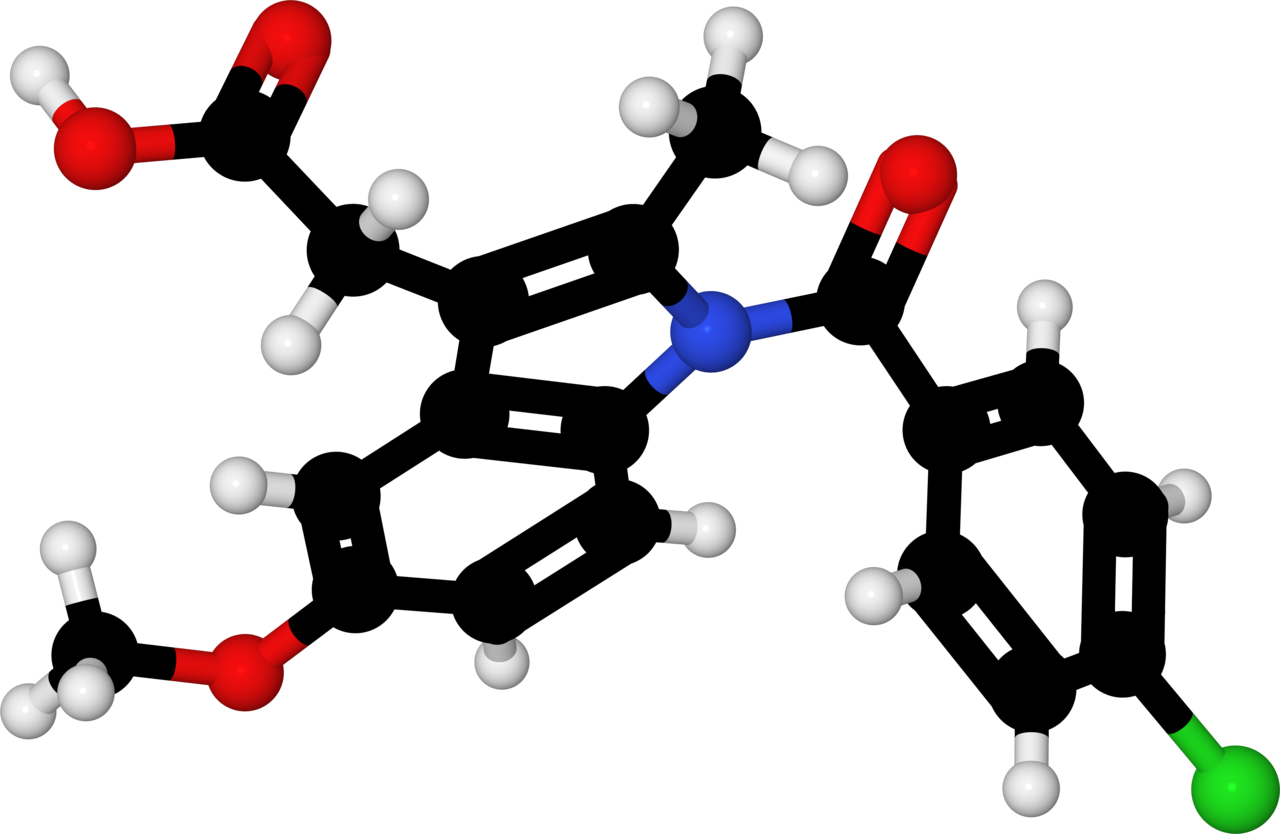
A small crossover study gave healthy volunteers indomethacin and found that zinc carnosine reduced the rise in a laboratory measure of intestinal permeability. The study involved only ten people and short exposure. It is an interesting proof-of-concept result, not a clinical guarantee for regular NSAID users.
A pilot randomized study in people taking low-dose aspirin evaluated small-bowel injury with capsule endoscopy and reported fewer mucosal breaks with polaprezinc. Another randomized trial combined zinc carnosine with bovine colostrum during exercise stress. The bovine colostrum permeability evidence is relevant context, because a combination trial cannot isolate every ingredient’s contribution.
Why the evidence does not erase NSAID risk
NSAID risk depends on the drug, dose, duration, age, prior ulcer or bleeding history, kidney function and other medicines. Anticoagulants, antiplatelet drugs, corticosteroids and some antidepressants can change the bleeding picture. A supplement should never be used to justify a higher dose or longer course.
Stomach-protective medicines prescribed for higher-risk patients do not necessarily solve every small-bowel concern, and zinc carnosine is not an FDA-approved replacement for those strategies. Ask the prescriber whether an NSAID is necessary, whether the lowest effective dose is being used and whether a different pain plan is safer.
Zinc has its own dose ceiling
Count elemental zinc from every source, including multivitamins, cold remedies and zinc carnosine. Too much can cause nausea, vomiting and abdominal upset; sustained excess can contribute to copper deficiency. A zinc nausea and copper-deficiency guide can help you inventory the total rather than focusing on a front-label compound weight.
The milligrams of zinc carnosine are not the same as milligrams of elemental zinc. Read the Supplement Facts panel and ask a pharmacist when the conversion is unclear. Zinc can also interact with certain antibiotics and penicillamine, often requiring timing separation.
A safer practical close
If you use NSAIDs regularly, bring the actual product, dose and frequency to a clinician. Discuss black stools, anemia, abdominal pain, kidney disease, blood thinners and prior ulcers. Do not wait for obvious pain: small-bowel injury can be quiet, while black tarry stool, vomiting blood or faintness needs urgent care.
Zinc carnosine may be a reasonable research-informed question, especially when a clinician is already managing NSAID risk. It is not a shield. A collagen-peptides gut-health evidence guide illustrates the same need to separate early signals from proven care. Keep the decision anchored to the medicine creating the risk and the limited trials.
Bring the Supplement Facts panel rather than only the product name. Clinicians need the elemental zinc amount, serving frequency and other ingredients. Ask how long a trial should last and what outcome would justify continuing. If the aim is fewer pain-medicine complications, the most meaningful measures are safe NSAID use and medical follow-up—not whether a supplement creates a vague sense of stomach comfort. Record over-the-counter ibuprofen, naproxen and aspirin too; people often forget those doses when reviewing prescriptions. Alcohol use and a history of ulcers also belong in that risk conversation. Recheck the need for the NSAID before adding a product meant to offset its harms. If pain treatment is ongoing, ask about non-NSAID and non-drug options appropriate to the underlying cause when possible.
Keep every clinician aware of the supplement, because the safest NSAID plan depends on the whole medication and bleeding-risk picture.