Prunes for Constipation: Fiber Helps, but Sorbitol Is Part of the Story
Prunes and prune juice can ease constipation, but serving size, sorbitol, calories, and individual tolerance all shape the result.
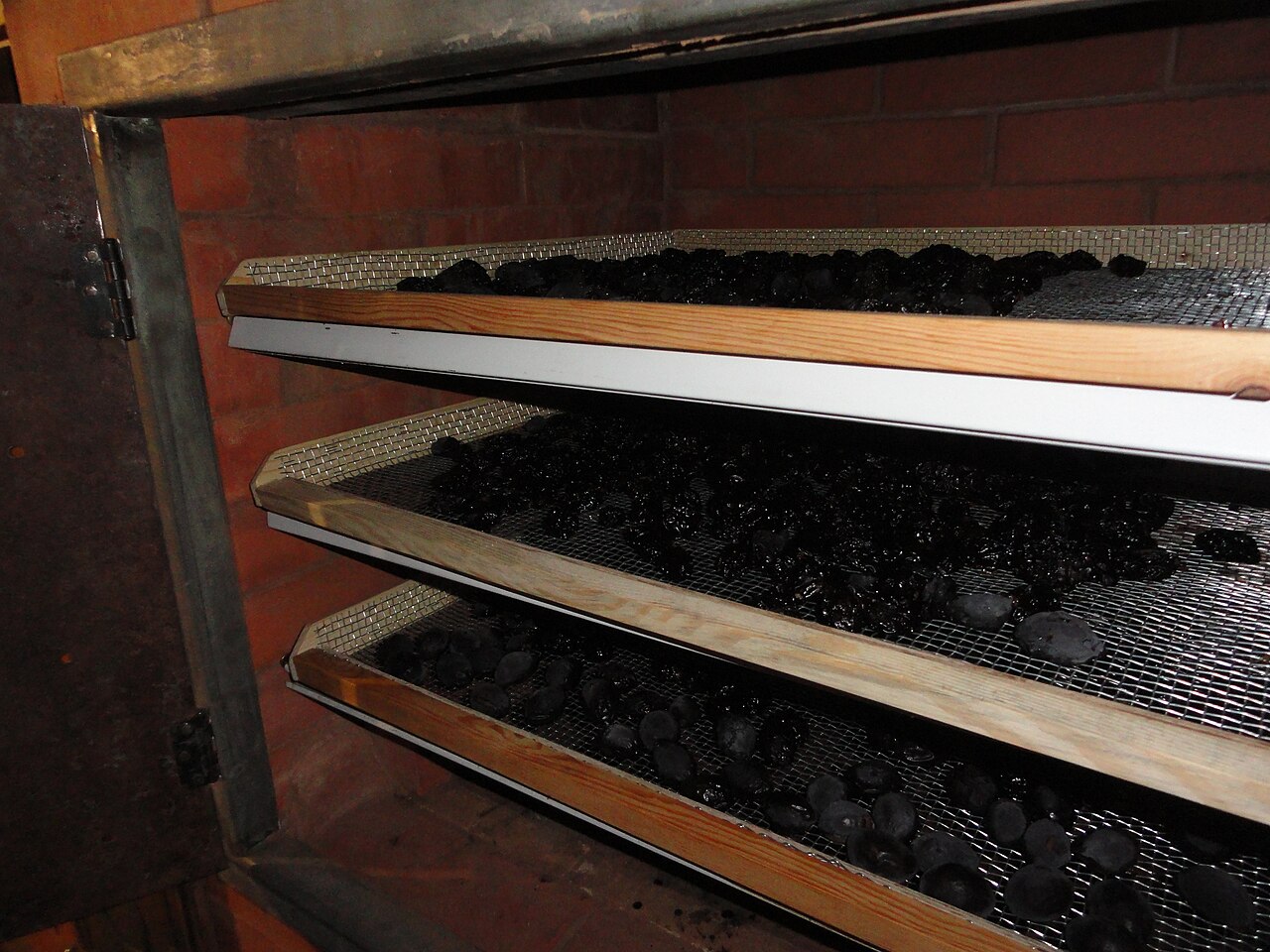
Prunes can improve stool frequency and consistency, but the studied portions are substantial and may cause gas or loose stool in sensitive people.
Prunes work through more than fiber
Prunes have a reputation for getting the bowel moving, and this is one traditional remedy with human trial support. The useful twist is that fiber is not the whole explanation. Dried plums also contain sorbitol, a sugar alcohol that pulls water into the intestine, plus polyphenols that may influence the gut environment.
Drying concentrates the fruit into a smaller volume. That makes prunes convenient, but it also concentrates carbohydrate and calories. A handful is not nutritionally identical to the same number of fresh plums, and prune juice removes much of the intact fruit structure while keeping soluble compounds such as sorbitol.
This combined action can be helpful when stool is hard. It can also overshoot. People with IBS, fructose or polyol sensitivity, or a tendency toward diarrhea may develop gas, cramping, or urgency. The right serving is the smallest amount that improves stool without creating a new problem.
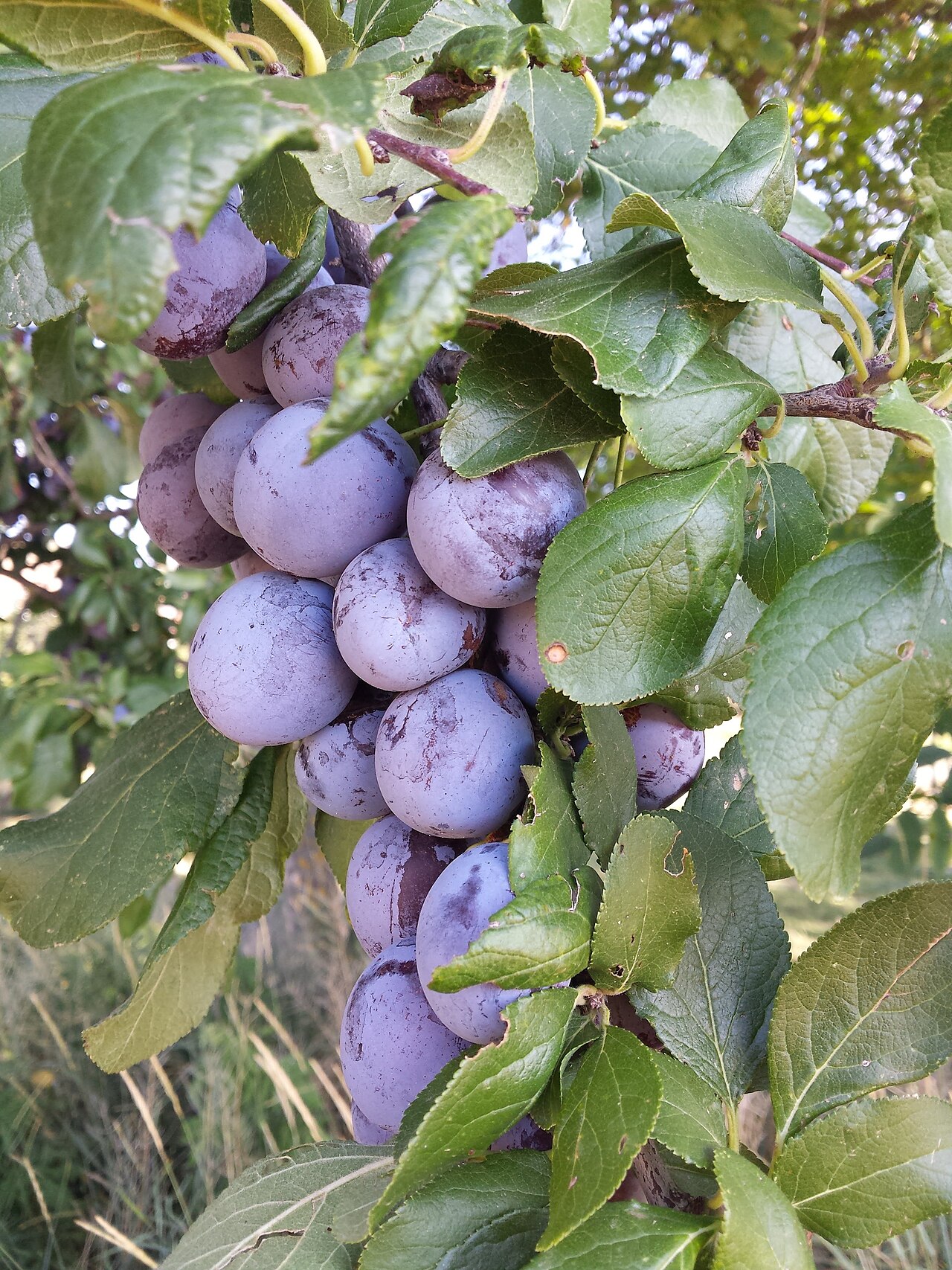
A crossover trial found an advantage over psyllium
In an eight-week randomized crossover trial, 40 adults with chronic constipation received either 100 grams of dried plums per day or 22 grams of psyllium per day during separate three-week periods. Both provided about six grams of fiber daily, which helped isolate differences beyond the fiber total.
Complete spontaneous bowel movements and stool consistency improved more with dried plums than with psyllium. Straining and overall constipation symptoms did not differ significantly. Both treatments were rated similarly for palatability and were described as safe and well tolerated during the study.
The result is encouraging, not a command to start at 100 grams. The study was small and short, and most participants were women. A large serving may be uncomfortable or add more carbohydrate than someone wants. The trial shows efficacy at a measured dose, while personal use can begin lower.
Prune juice has its own evidence
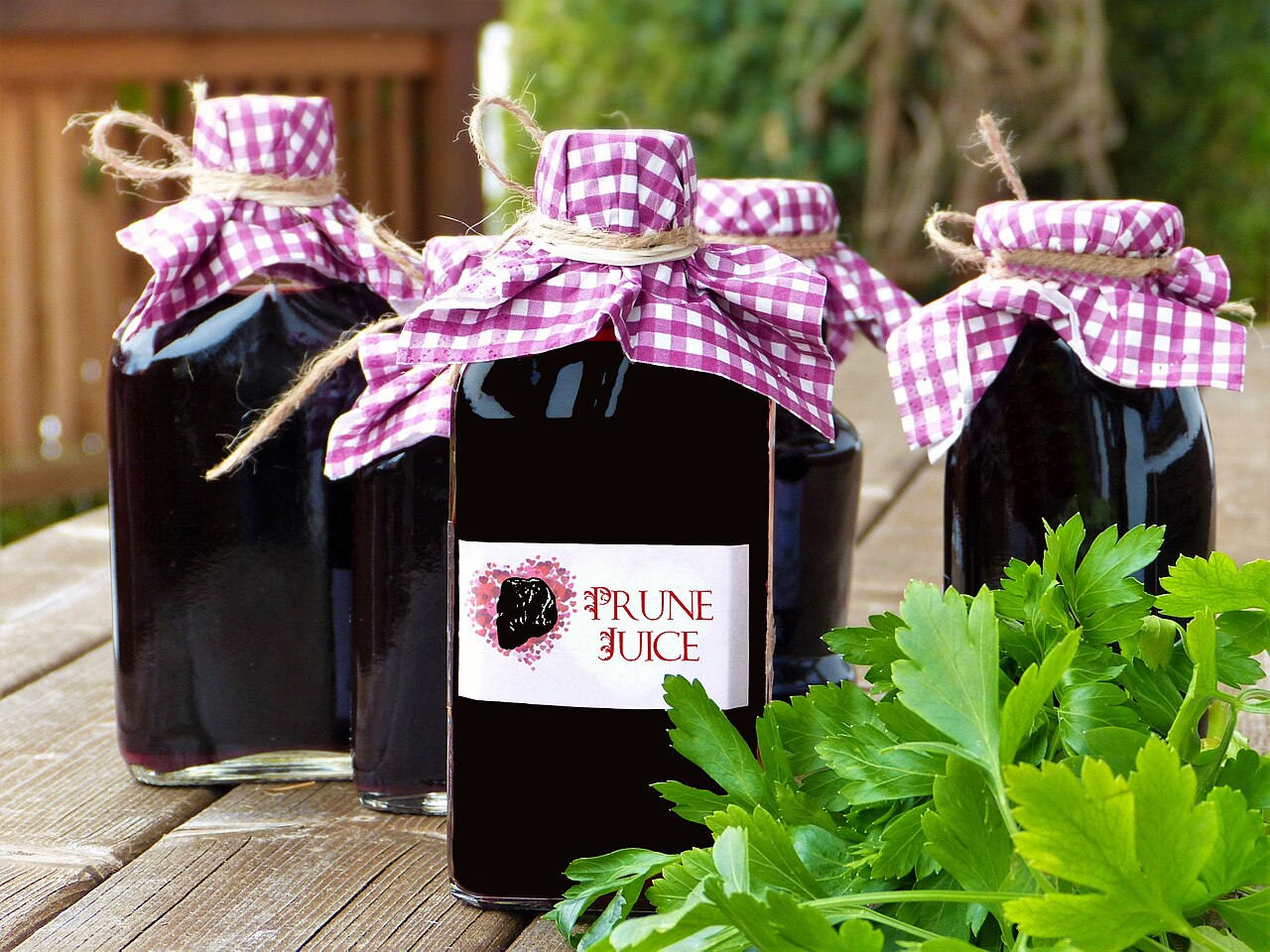
A separate double-blind randomized placebo-controlled trial tested prune juice in adults with chronic constipation. The juice reduced hard and lumpy stools, increased normal stool, and improved reported constipation without significantly increasing loose stool, diarrhea, flatulence, or urgency during that trial.
Juice evidence should remain attached to the tested beverage and amount. A concentrated shot, sweetened prune drink, or mixed fruit juice may deliver a different sorbitol and calorie load. Likewise, whole prunes add chewing and intact food structure that juice does not reproduce.
Check the serving rather than assuming natural means unlimited. A label may list a small serving while a large glass delivers several portions. People monitoring blood glucose or total carbohydrate should count the drink, and caregivers should be cautious about using prune products to manage unexplained constipation in children or frail adults.
Build a dose that your gut can tolerate
A practical starting point is four or five prunes once daily, followed by gradual adjustment. Keep other new fiber products unchanged for a week. If the effect is too strong, reduce the portion rather than trying to cancel diarrhea with another supplement.
Drink according to thirst and usual medical advice. Prunes do not require the same mixing instructions as psyllium, but dehydration can still worsen constipation. Regular meals, movement, and a consistent bathroom window can make the fruit more effective than relying on a large rescue serving every few days.
Review medications that commonly slow the bowel, including some pain medicines, iron products, anticholinergic drugs, and certain weight-loss treatments. Do not stop a prescription on your own. The point is to identify the driver, because adding more prunes may not solve medication-related or pelvic-floor constipation.
Know when fruit is not enough
Prunes are a reasonable food option for mild chronic constipation. They are not a diagnostic test or a treatment for obstruction. New severe pain, vomiting, abdominal swelling, inability to pass gas, black stool, visible blood, anemia, fever, or unintended weight loss calls for medical assessment.
Persistent straining or a blocked sensation may suggest a pelvic-floor problem even when stool is soft. In that situation, repeatedly increasing sorbitol can create looser stool without fixing the mechanics of emptying. A clinician can decide whether testing or pelvic-floor therapy is appropriate.
If prunes work, keep the dose boring and repeatable. If they cause urgency or bloating, reduce or stop them. The best constipation strategy is not the most natural-sounding one; it is the one that produces comfortable, predictable stool while leaving important warning signs visible.