Inulin Without the Bloat: Dose and Fiber Type Matter More Than the Prebiotic Label
Inulin can feed gut bacteria and also cause gas. Human dose studies show why starting low and reading the exact fiber name matters.
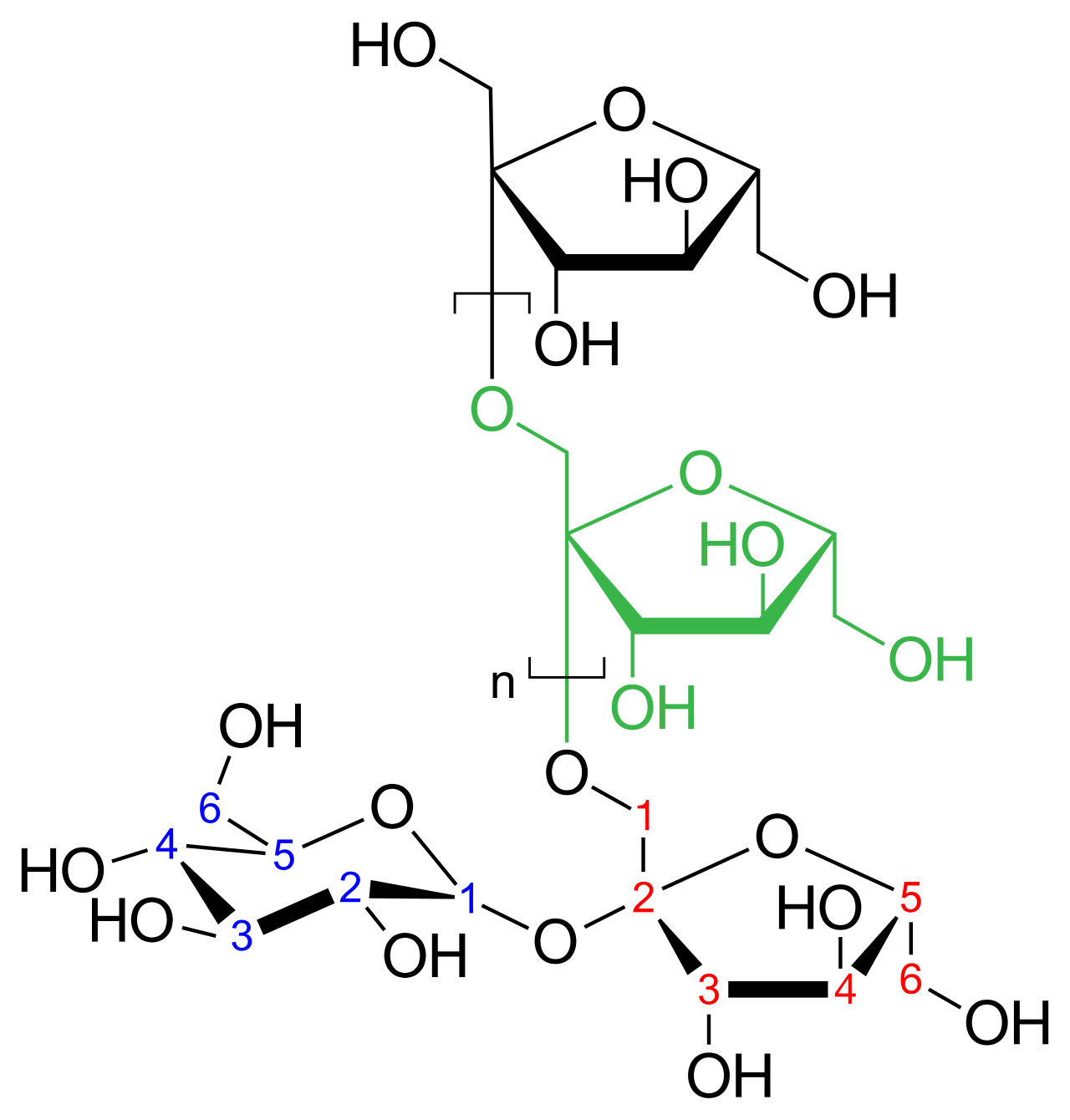
Inulin is fermentable, so gas is a predictable dose-related effect rather than proof of detoxification or proof that the fiber is repairing the gut.
The same fermentation can be useful and uncomfortable
A prebiotic fiber can feed certain gut microbes and still make your abdomen feel like a balloon. Inulin does both through the same basic route. Human enzymes do not fully digest its fructose chains, so the fiber reaches the colon, where microbes ferment it and produce short-chain fatty acids and gas.
That mechanism is not automatically good or bad. Fermentation can support microbial activity and bowel function, while rapid gas production can create pressure, rumbling, bloating, or cramps. Symptoms do not mean toxins are leaving the body, and having no gas does not prove the product is ineffective.
Labels use several related names, including chicory-root fiber, inulin, oligofructose, and fructooligosaccharides. Chain length affects how quickly the material ferments. A tolerance result for native inulin should not be copied directly onto a concentrated short-chain oligofructose product.

Dose-ranging studies show a clear threshold problem
A double-blind randomized crossover study tested several doses and types of inulin-type fructans in healthy volunteers while tracking flatulence, rumbling, bloating, pain, cramps, nausea, and stool changes. Symptoms increased as the fermentable load rose, and the fiber type influenced tolerance.
Another controlled study of chicory inulin products found that native inulin was generally tolerated up to 10 grams per day in healthy young adults, while oligofructose produced more symptoms at a 10-gram dose and was better tolerated around five grams. Those are group averages, not personal guarantees.
Healthy volunteers are not the same as people with IBS, recent gastrointestinal infection, small-intestinal bacterial overgrowth, or a highly fermentable diet. A serving that looks modest in a trial can be too much when it is added to protein bars, fiber drinks, cereal, and gummies on the same day.
The hidden total often matters more than one product
Inulin is inexpensive and adds fiber without much texture, so manufacturers use it across many foods. A person may count one scoop while forgetting chicory-root fiber in a bar and fructooligosaccharides in a probiotic blend. The combined daily amount can turn a tolerable product into a symptom trigger.
Sugar alcohols can compound the problem. A low-sugar snack may pair inulin with erythritol, sorbitol, or maltitol. Each ingredient has a different absorption and fermentation pattern, but the gut experiences them together. Reading only net carbohydrate or total fiber misses that interaction.
Keep a one-day inventory of every concentrated fiber and sweetener before blaming a single item. Include serving sizes, because two bars or a heaping scoop may double the intended exposure. This simple audit often explains why bloating appears only on certain busy or travel days.

Start below the marketing serving
For a sensitive gut, begin around two to three grams daily rather than jumping to a 10-gram prebiotic target. Hold the dose for several days, then increase only if gas, pain, and stool remain acceptable. Dividing the amount may help some people, although it does not eliminate total fermentation.
Take the experiment with a stable diet. Adding beans, a large onion-heavy meal, and inulin on the same day makes interpretation impossible. If symptoms become troublesome, return to the last tolerated amount or stop. There is no health prize for enduring severe bloating.
People following a clinician-guided low-FODMAP plan usually restrict inulin temporarily and reintroduce fermentable foods systematically. Long-term avoidance is not the goal for everyone, but reintroduction should be planned. A prebiotic powder is not the only way to support dietary variety.
Judge the result by function, not microbiome slogans
A product may increase bifidobacteria without improving the symptom that led you to buy it. Useful outcomes include comfortable stool, less straining, manageable gas, and the ability to eat a varied diet. A laboratory or marketing claim about good bacteria is not a substitute for those daily results.
Seek medical advice for severe or persistent pain, vomiting, fever, blood in stool, weight loss, anemia, nighttime diarrhea, or dehydration. Sudden intolerance after surgery, infection, or a new medicine also deserves context. More prebiotic fiber is not a safe response to every digestive change.
Inulin can be useful when dose and form match the person. The practical close is to count the total, start low, and increase slowly. If the fiber improves stool without controlling the rest of your day, keep it. If it repeatedly causes pain or urgency, choose a different tool.