Does Coffee Make You Poop? The Colon Response Is Not Just Caffeine
Coffee can trigger colonic movement in some people, but caffeine is not the whole story. Learn what small physiology studies found and when to adjust.
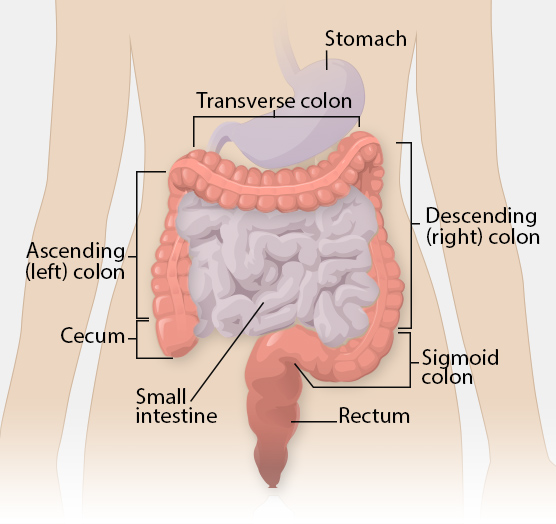
Coffee can increase colon activity quickly in some people, and decaf may do it too. Treat the response as individual rather than using coffee as a reliable constipation treatment.
That morning signal can be real
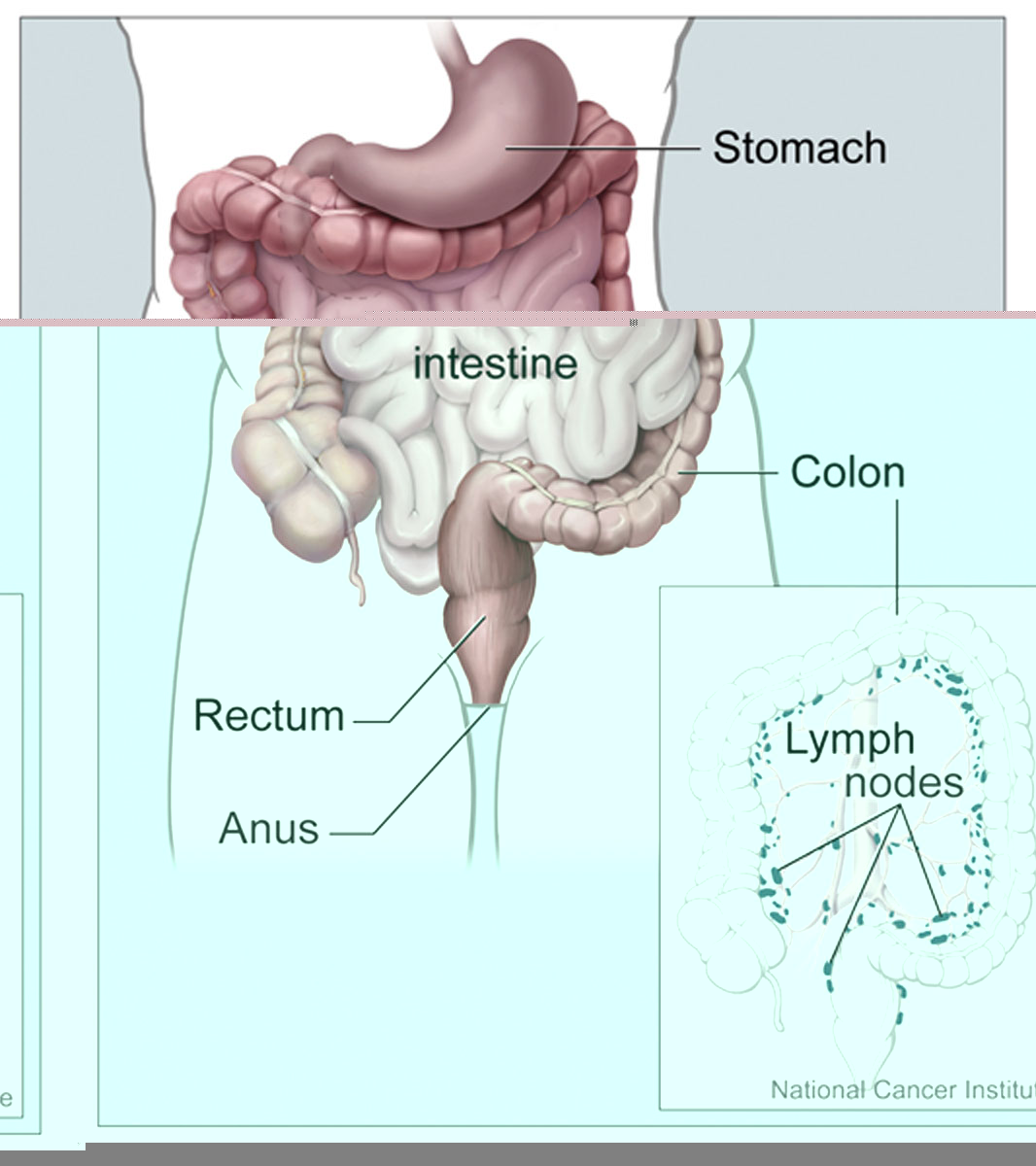
Coffee can make you poop soon after a cup, but it is not moving that drink straight through the body. The more accurate explanation is that coffee can stimulate the colon that was already holding stool. Small physiology studies measured increased distal-colon or rectosigmoid motor activity within minutes in people who described themselves as responders.
The response was not universal. In one classic study, only a subset reported that coffee prompted defecation, and manometry confirmed a motor response in those participants. That makes coffee a possible trigger, not a dependable laxative. Chronic constipation still deserves a plan based on stool pattern, fiber, fluid, activity and medical causes.

Caffeine is only part of the cup
Caffeinated coffee can stimulate alertness and may affect gut signaling, but decaffeinated coffee also increased colon activity in a manometry study. Warm water did not produce the same measured response. Coffee contains many compounds, and the act of eating or drinking in the morning can add a gastrocolic reflex of its own.
This is why a pre-workout caffeine and abdominal-discomfort guide cannot answer every coffee question. A concentrated caffeine powder, an energy drink and brewed coffee do not share the same matrix or dose. Milk, sugar alcohols and large amounts of fat added to coffee can also change symptoms independently.
What studies can and cannot prove
The best-known motility experiments were small and measured short-term pressure patterns, not long-term relief of constipation. A 2022 randomized trial of caffeine after colorectal surgery did not shorten time to first bowel movement. That different clinical setting is a reminder not to turn a laboratory response into a broad treatment claim.
Coffee may help one person keep a routine and give another urgent diarrhea. It does not correct pelvic-floor dysfunction, medication-induced constipation, low food intake or a bowel obstruction. If regularity is the goal, a psyllium timing guide offers a more structured fiber approach than repeatedly increasing caffeine.
Use timing instead of escalating the dose
If coffee reliably prompts a comfortable bowel movement, keep the serving and timing consistent. Drinking it before a long commute may be less convenient than having it with breakfast at home. If it causes cramping, switch to a smaller serving, test decaf, or pause coffee while keeping the rest of breakfast stable.
Look beyond the beans when loose stools appear. Magnesium and diarrhea can overlap with a morning supplement routine, and sweeteners may ferment or draw water into the bowel. Change one variable at a time. Otherwise, a different roast may receive the blame for an effect caused by three additions.
Know when coffee is not the answer
Do not use repeated high-caffeine doses to force a bowel movement. Too much can bring palpitations, tremor, anxiety or poor sleep, while the bowel problem remains. People who are pregnant, sensitive to stimulants or managing certain heart conditions or medicines should ask a clinician about an appropriate caffeine limit.
Seek care for blood in stool, black stool, severe or persistent pain, vomiting, fever, unexplained weight loss or a sudden lasting change. For IBS, structured steps such as low-FODMAP reintroduction can identify food triggers more clearly. Coffee is one data point in a gut routine, not a diagnostic test.
A seven-day log can make the pattern obvious. Note cup size, caffeinated or decaf, additions, meal timing and the interval before urgency. Include sleep and stress if they vary sharply, because both can change IBS symptoms. The goal is not perfect tracking forever; it is enough clean information to decide whether the useful ritual outweighs the bowel response. Compare weekdays with weekends before drawing a conclusion, since wake time and breakfast timing may shift together. If decaf produces the same response, caffeine reduction alone may not solve the problem. A smaller cup with food is a cleaner next test than switching several ingredients at once.
When the pattern is unclear, a short coffee pause followed by one controlled reintroduction can provide a cleaner answer than repeatedly changing roasts.