Finasteride and Male Fertility: What Semen Studies Do and Do Not Show
Finasteride 1 mg did not impair spermatogenesis in one healthy-men trial, but semen-related adverse reports and individual fertility concerns still deserve context.
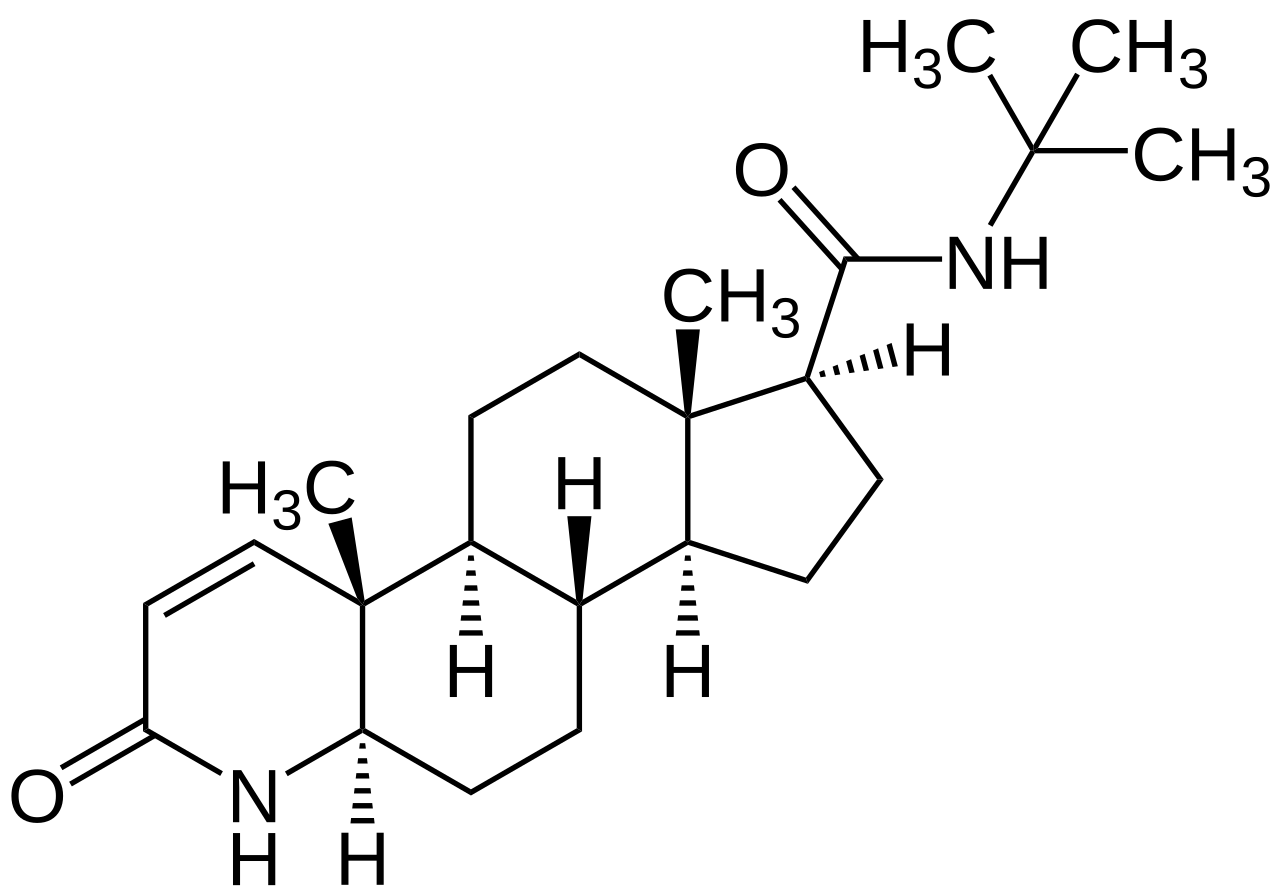
A controlled trial of 1 mg finasteride in healthy men found no significant effect on spermatogenesis, but semen-volume changes and fertility case reports mean individual concerns still merit clinician review.
The reassuring trial has clear boundaries
Finasteride 1 milligram is an established treatment for male-pattern hair loss, and fertility questions are common because the drug lowers dihydrotestosterone. In a randomized, placebo-controlled study of healthy men taking 1 milligram daily for 48 weeks, researchers found no significant effect on sperm concentration, total sperm per ejaculate, motility or morphology.
That is reassuring for the average healthy participant in the study. It is not proof that no individual ever experiences a change, and it does not fully answer questions for men who already have low sperm counts or infertility. An iron-supplement constipation guide illustrates how nonprescription nutrient products carry their own evidence and safety questions.
Semen volume and sperm production are different outcomes
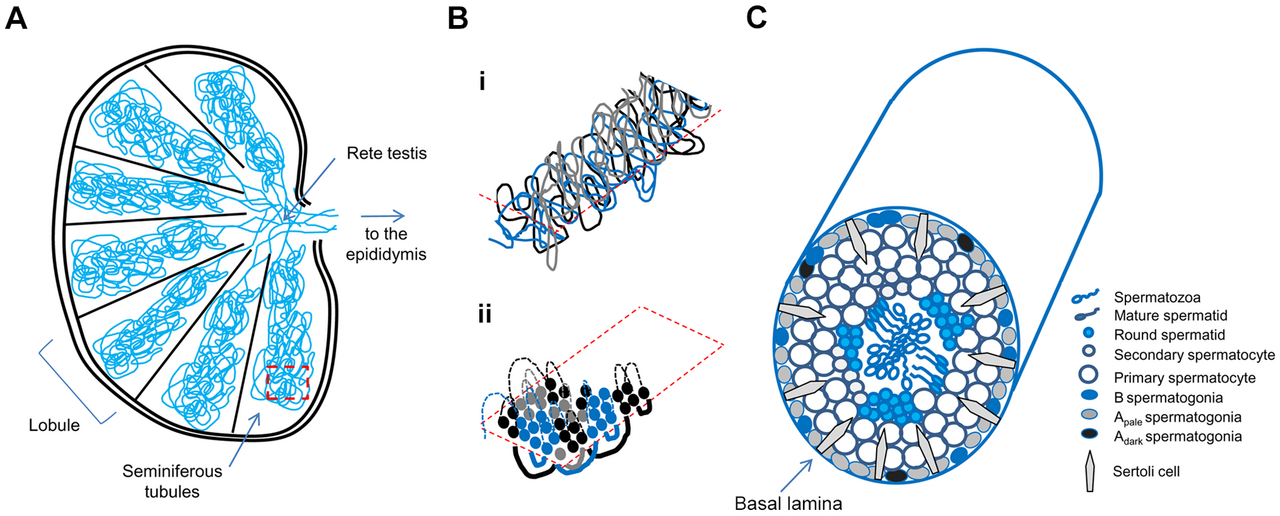
The same trial observed a small decrease in ejaculate volume that was also seen to a lesser degree with placebo and was reversible after treatment. Product labeling also includes ejaculation disorder and reduced ejaculate volume among reported adverse reactions. A change in fluid volume does not necessarily mean sperm production has stopped.
Case reports and fertility-clinic series have described improved semen measures after stopping finasteride in selected men, particularly those already being evaluated for infertility. These uncontrolled observations cannot establish how often the effect occurs, but they are clinically relevant when a couple is having difficulty conceiving.
Hair benefit needs its own evidence
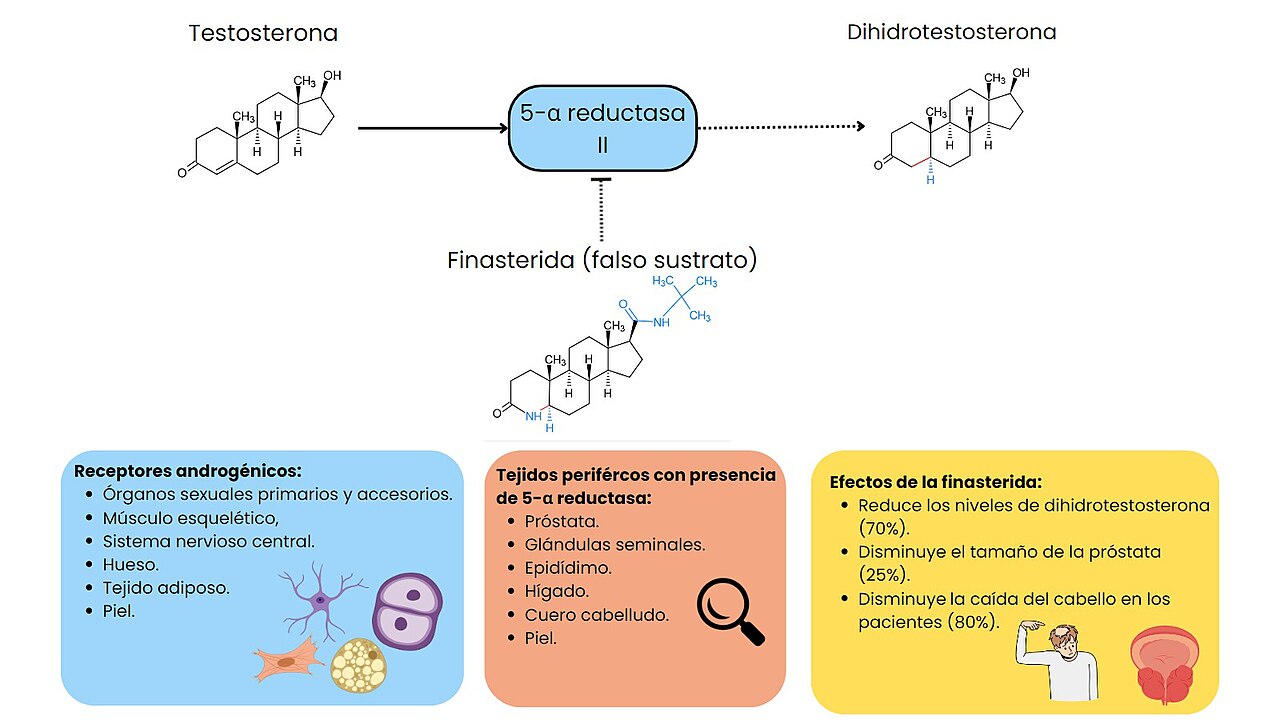
Large randomized hair-loss trials found that finasteride 1 milligram improved hair counts and slowed progression in men with androgenetic alopecia. A testosterone-booster stomach-upset guide covers a different supplement category; finasteride is not a testosterone booster. It inhibits type II 5-alpha-reductase and reduces conversion of testosterone to dihydrotestosterone.
Hair supplements use different ingredients and evidence and should not be used to predict finasteride results or side effects. A zinc dose and copper-deficiency guide is useful when a hair formula contains minerals. The choice between an approved prescription drug, a supplement and no treatment should rest on goals, risks, cost and clinician input.
A practical telehealth conversation
Total Male Rx currently lists oral finasteride 1 milligram once daily for eligible men after clinician review. A prescription is not guaranteed. The service is a telehealth pathway, not a supplement, and its current safety information includes sexual adverse effects and precautions for people who are pregnant handling broken or crushed tablets.
The Total Male Rx review explains its broader online assessment process and current hair-care offering. Before starting, say whether you are trying to conceive now, have an abnormal semen analysis, use other hair products or have experienced depression or sexual side effects. That context helps a clinician decide whether treatment, monitoring or an alternative makes sense.
When to test, pause or ask for help
Routine semen testing is not required for every man taking finasteride. Sildenafil and tadalafil digestive effects concern separate ED medicines, not hair-loss treatment. Testing may be reasonable when infertility is already present or a fertility specialist recommends it. Do not stop a prescribed medicine solely because of an online anecdote; ask how a pause might affect hair and the fertility plan.
Report breast changes, severe mood symptoms, persistent sexual effects or other concerning reactions. Keep pregnant people away from crushed or broken tablets because finasteride can be absorbed through skin and may harm a male fetus. The balanced conclusion is neither no risk nor inevitable infertility: it is reassuring trial data plus individual clinical judgment.
If a semen analysis is ordered, remember that results naturally vary and are usually interpreted with collection timing, abstinence interval, illness and repeat testing in mind. One number should not be read alone. A dermatologist, primary-care clinician and fertility specialist may emphasize different outcomes, so state the priority clearly: maintaining hair, conceiving soon, or investigating an existing fertility problem. Bring the medication start date and any earlier test results to that discussion. Ask when a repeat test would be meaningful before reacting to a single result. Keep decisions coordinated so one clinician knows what the others recommended.
Shared decision-making works best when hair goals and fertility timing are discussed together, before either concern is reduced to a single lab value.