Non-Nutritive Sweeteners and the Microbiome: One Label Category, Different Human Results
Saccharin, sucralose, aspartame, and stevia are not biologically identical. Human trials show distinct and sometimes personalized responses.
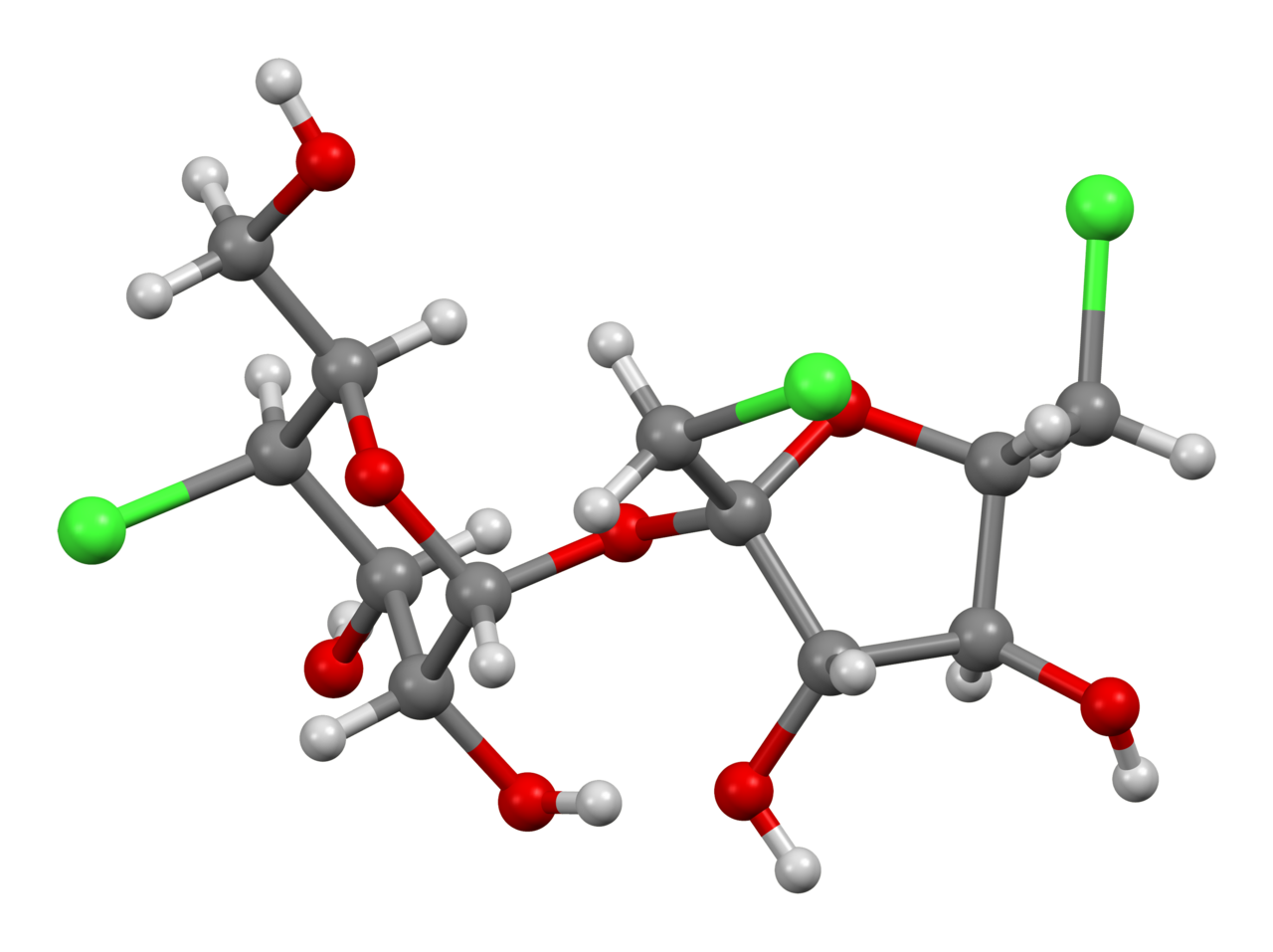
Human studies do not support treating every non-nutritive sweetener as harmless, harmful, or microbiome-equivalent; the compound, dose, and person matter.
The word sweetener hides several different molecules
Replacing sugar can lower calories or carbohydrate in a food, but it does not create one uniform ingredient. Sucralose, saccharin, aspartame, and steviol glycosides have different structures, absorption, metabolism, sweetness intensity, and contact with gut microbes. Grouping them together can turn a useful study into a misleading headline.
The microbiome question is also more complicated than whether bacteria changed. A shift in relative abundance may be temporary, neutral, or connected to another outcome. Researchers must link microbial changes with function, metabolites, glucose responses, symptoms, and ideally longer-term health before calling the result beneficial or harmful.
Products add another layer. A tabletop packet may contain glucose or maltodextrin as a carrier. A diet drink may combine sweeteners. A protein bar may add inulin or sugar alcohols that cause gas independently. The front label rarely tells the whole digestive story.
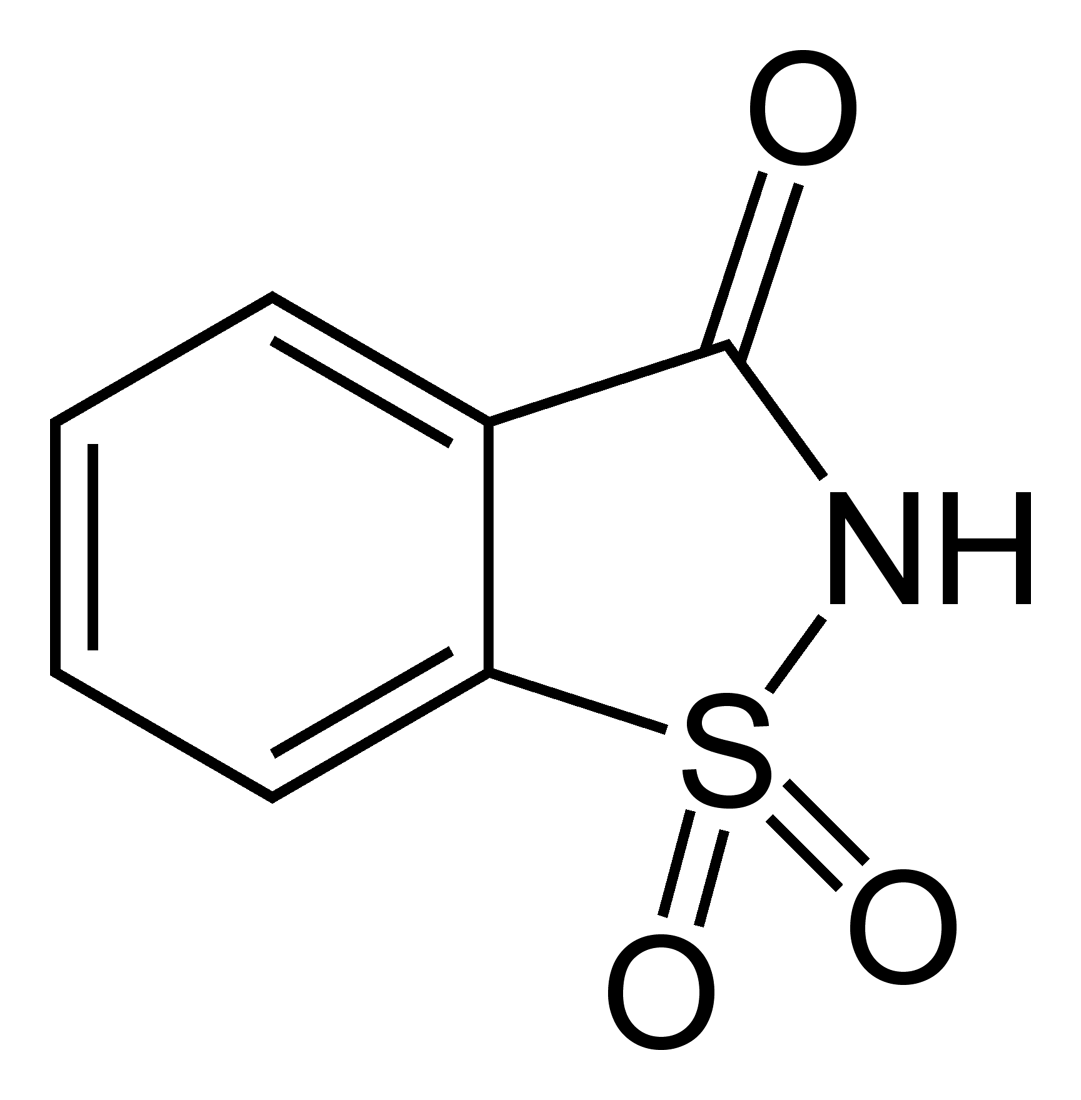
A 2022 trial found compound-specific, personal responses
A randomized controlled study assigned 120 healthy adults who did not regularly use non-nutritive sweeteners to saccharin, sucralose, aspartame, stevia, a glucose vehicle control, or no supplement for two weeks. The doses were below established acceptable daily intake levels.
Each sweetener group showed distinct changes in stool and oral microbiomes and in plasma metabolites. Saccharin and sucralose impaired glycemic responses at the group level, while responses varied substantially among individuals. Microbiota transferred from selected high and low responders into germ-free mice reproduced aspects of the donors' glycemic patterns.
That elegant design supports a causal microbiome role within the experiment, but it does not prove that every consumer develops diabetes or digestive disease. The intervention was short, the participants were selected nonusers, and packets included a carrier. Clinical consequences of long-term everyday intake remain less certain.
Other trials do not produce one neat verdict
A short-term study of sucralose in healthy adults reported metabolic and microbiome findings, while a separate 12-week randomized trial did not find clear disruption of glucose homeostasis. Newer controlled studies continue to differ by dose, population, background diet, and whether sugar is added or replaced.
Stevia results also resist broad claims. A randomized four-week beverage trial compared steviol glycosides with sucrose and found no major between-group differences in most measured cardiometabolic outcomes. Another 12-week study reported no clear alteration in overall human gut microbiota composition from stevia.
Conflicting studies do not mean science has failed. They show that replacement matters. Substituting a sweetener for a large sugar load asks a different question from adding a sweetener to an already balanced diet. A person with diabetes also differs from a healthy nonuser.

Run a symptom experiment before blaming the microbiome
If a product causes bloating or diarrhea, read every sweetening and fiber ingredient. Sorbitol, maltitol, and excess fructose have direct gastrointestinal effects that differ from sucralose or stevia. Carbonation, caffeine, and a large serving can also be the actual trigger.
Choose one commonly used product and keep the rest of the diet steady for a week. Record amount, symptoms, stool form, and timing. Then remove or replace that specific product. This cannot measure microbial composition, but it can answer the practical question of whether the item affects comfort.
Do not use a microbiome headline to justify unlimited sugar instead. Dental health, energy intake, glucose goals, and food quality still matter. Water and unsweetened foods remain useful defaults, while a non-nutritive sweetener can be a tool rather than a health identity.
Keep the conclusion smaller than the headline
Current human evidence supports caution with blanket statements. Non-nutritive sweeteners are not metabolically invisible in every experiment, but they are not one compound and do not produce one universal response. Microbiome changes require clinical context.
People with diabetes should base medication and carbohydrate decisions on their care plan rather than a short sweetener trial. Severe diarrhea, dehydration, blood in stool, weight loss, or persistent nighttime symptoms needs medical evaluation, not repeated ingredient swapping.
The practical close is to identify the exact sweetener, count realistic intake, and judge the whole replacement. If a modest amount helps reduce sugar without symptoms, that is useful. If one product reliably causes trouble, change the product rather than declaring every sweetener toxic.