Flaxseed for Constipation: Ground, Whole, or Oil Makes a Real Difference
Ground flaxseed, whole seeds and flax oil do not deliver the same fiber. Here is how the forms differ and what constipation trials can tell us.

Ground or whole flaxseed supplies fiber; flax oil does not. Trials suggest flaxseed can help some adults, but form, fluid and gradual dosing shape the result.
The useful part is not in every flax product
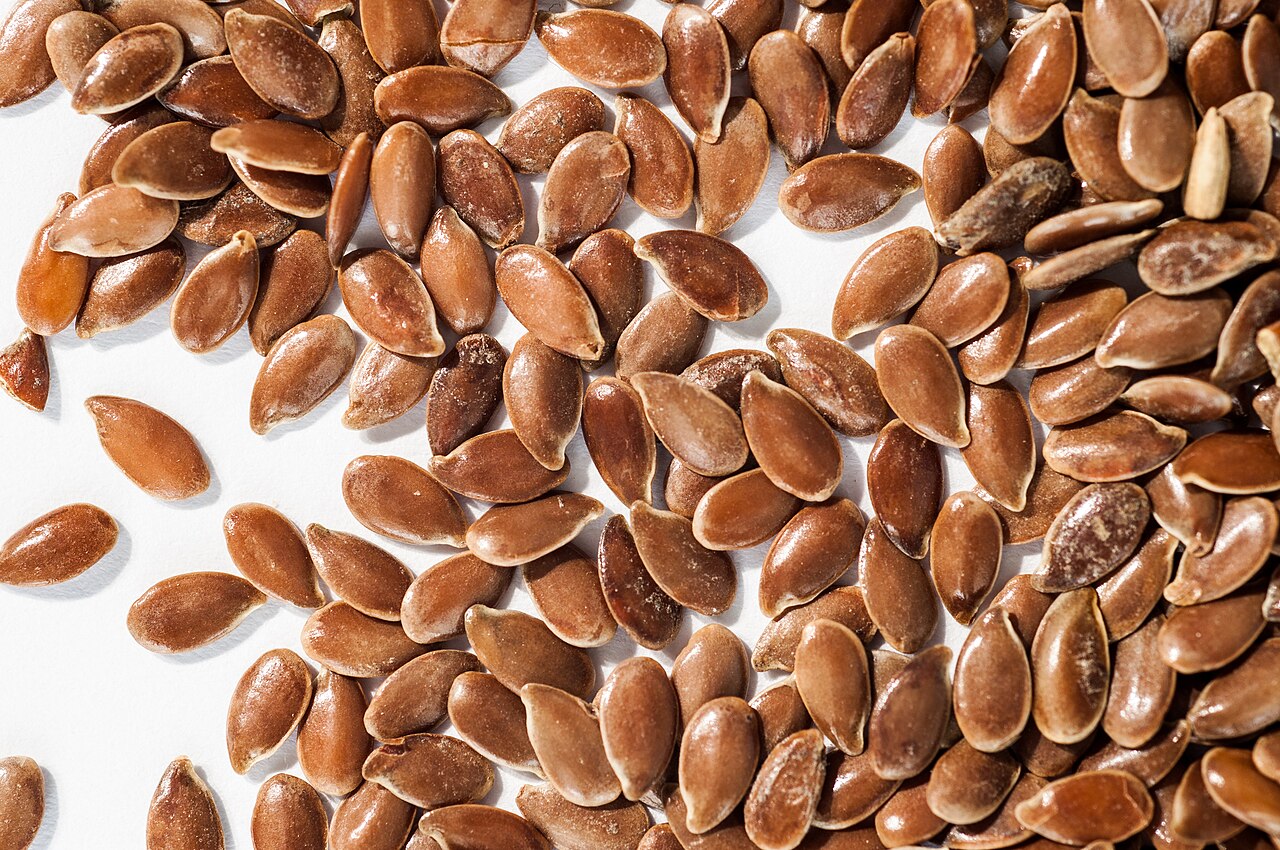
Flaxseed can add fiber and texture to a daily routine, but the bottle or bag matters. Whole seeds, ground meal and flax oil are three different tools. Whole and ground seed contain the outer fiber-rich structure. Oil supplies fat, including alpha-linolenic acid, but essentially leaves the seed fiber behind.
That makes oil a poor substitute when constipation is the goal. Ground seed is often easier to mix into oats or yogurt and exposes more of the seed to digestion. Whole seeds still count as food, yet some may pass through largely intact. A broader soluble and insoluble fiber comparison helps explain why flax can affect both stool water and bulk.
What human trials suggest
A randomized trial in people with functional constipation found that flaxseed flour improved constipation symptoms and bowel habits over four weeks. Another trial in adults with type 2 diabetes compared flaxseed with psyllium and placebo and reported improvements with both fiber interventions. These are encouraging results, but their participants and preparations were specific.
A small pilot trial comparing whole and ground linseed found metabolic differences between forms, underscoring that processing changes exposure. It was not a definitive constipation comparison. The safest conclusion is modest: seed-based flax can contribute useful fiber, while no good evidence lets a spoonful of oil inherit the same bowel claim.
Ground, whole and oil at a glance
Ground flax offers fiber in a form that is easy to portion, but it can spoil faster after milling, so follow storage directions. Whole flax keeps longer and adds texture, though chewing matters. Flax oil may fit a nutrition goal for unsaturated fat, yet it will not swell or add stool bulk the way seed fiber can.
If you want a more gel-forming option, a psyllium water and medication-timing plan is a useful comparison. Psyllium has different viscosity and a larger constipation evidence base. These are alternatives, not ingredients to pile on simultaneously, and adding several fibers together can make both benefits and side effects harder to interpret.

Start with a small, measurable change
Choose one form and note the amount. A small serving of ground or well-chewed whole flax with adequate fluid is more informative than an unmeasured scoop. Prunes for constipation add sorbitol as well as fiber, so test them separately. Suddenly adding a large fiber load can produce pressure, gas or looser stools before any regularity benefit appears.
Keep flax away from medicines when your pharmacist advises separation. Fiber can alter transit and may affect absorption of some oral drugs. People with swallowing difficulty, a known bowel narrowing, severe abdominal pain or vomiting should not try to push through symptoms with a bulking product.
Make the form match the goal
For constipation, ground seed is usually the most practical starting point because it combines measurable fiber with easy mixing. Whole seed can also contribute if it is chewed. Kiwifruit constipation evidence concerns whole fruit and offers another food-based comparison. This form check keeps expectations tied to what is actually in the serving.
Give the change time, while watching for worsening pain, bleeding, unintended weight loss or a persistent change in bowel habits. Those features need medical assessment. A food-based trial should make daily life easier, not delay evaluation or turn breakfast into an escalating supplement stack.
Freshly ground flax can be prepared in small batches, while packaged meal should be stored as directed and discarded if it smells rancid. Do not eat large amounts of raw or unripe flaxseed. If you dislike the texture, mix a measured amount into a moist food instead of swallowing it dry. Consistency matters more than finding the largest possible serving. Keep the package date and serving spoon together so the routine stays measurable. Review the result after two to four weeks instead of changing the amount every day.
If regularity improves, keep the smallest useful serving rather than increasing automatically; the goal is comfortable consistency, not the biggest daily fiber total.