Kiwifruit for Constipation: Two Fruits a Day Have Better Evidence Than Most Extracts
Green kiwifruit can improve bowel frequency and comfort in constipation trials. Learn the studied amount, limits, and practical cautions.
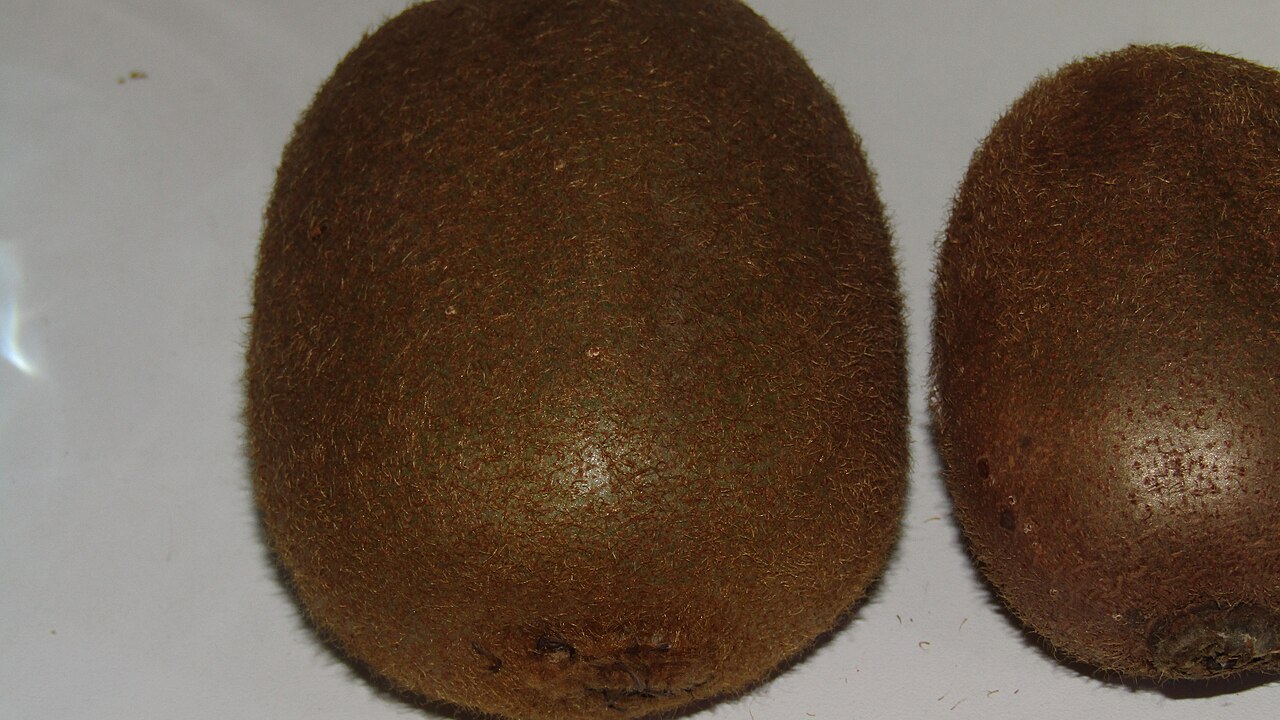
Two green kiwifruit daily improved bowel frequency in several trials, but whole-fruit results do not prove that kiwi powders or enzyme capsules work the same way.
Two kiwifruit can be a practical first move
Constipation advice often starts with a giant list of powders, teas, and complicated routines. Green kiwifruit offers a simpler option: eat two fruits a day and track what happens. That exact amount, not an undefined kiwi extract, has been tested in adults with functional constipation and constipation-predominant irritable bowel syndrome.
The benefit is easy to understand. Kiwifruit supplies fiber, water, and plant compounds in one familiar food. Its cell walls can hold water, while fermentation of some carbohydrates may support softer, easier-to-pass stool. The fruit also contains actinidin, an enzyme that digests certain proteins, although that does not make it a universal digestive enzyme.
A food-based approach can still cause symptoms. Kiwifruit may trigger oral itching or a serious allergic reaction in susceptible people, especially those with latex or certain pollen allergies. It also contains fermentable carbohydrates, so a person with a very sensitive gut may need to test a smaller amount.
The largest trial used a useful real-world comparison
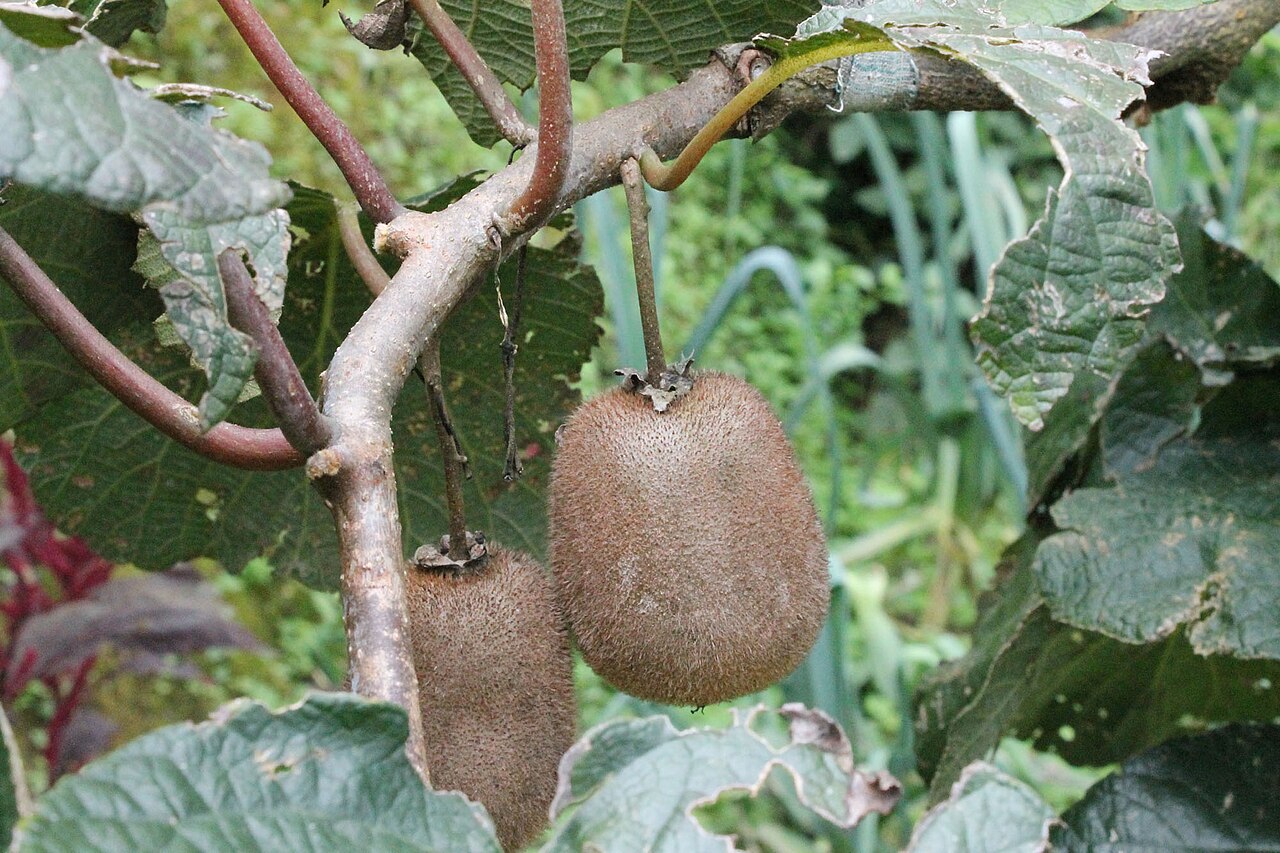
A 2023 international randomized crossover trial enrolled healthy adults and people with functional constipation or IBS-C. Participants ate two green kiwifruit daily or took 7.5 grams of psyllium for four weeks, followed by a washout and the other treatment. The main outcome was complete spontaneous bowel movements per week.
Kiwifruit was associated with increases of at least 1.5 complete spontaneous bowel movements per week in both constipated groups. Measures of gastrointestinal comfort also improved, and the investigators reported no significant adverse events. That is a meaningful signal because the outcome reflects both frequency and a sense of complete emptying.
The study does not prove that kiwifruit is best for everyone. Food trials are difficult to blind, and participants know whether they are eating fruit or taking fiber. The work also tested a specific green variety and amount. A kiwi-flavored gummy or capsule should not borrow the result without direct evidence.
Kiwifruit, prunes, and psyllium all have different strengths
A US comparative-effectiveness trial assigned adults with chronic constipation to kiwifruit, prunes, or psyllium for four weeks. All three groups improved on important constipation measures. Kiwifruit had the lowest reported rate of adverse events and dissatisfaction, while the trial was too small to declare one option universally superior.
That comparison helps with everyday decisions. Psyllium is compact and easy to measure but needs adequate fluid and can interact with medication timing. Prunes add sorbitol and concentrated fruit sugars. Kiwifruit brings water and food texture, but it spoils and may be inconvenient for travel.
Choose the format you can use consistently, then judge it by stool frequency, stool form, straining, and comfort. Switching among several remedies every few days makes it difficult to identify what is helping. A two- to four-week trial is more informative than a single breakfast.
Start in a way that keeps the experiment readable
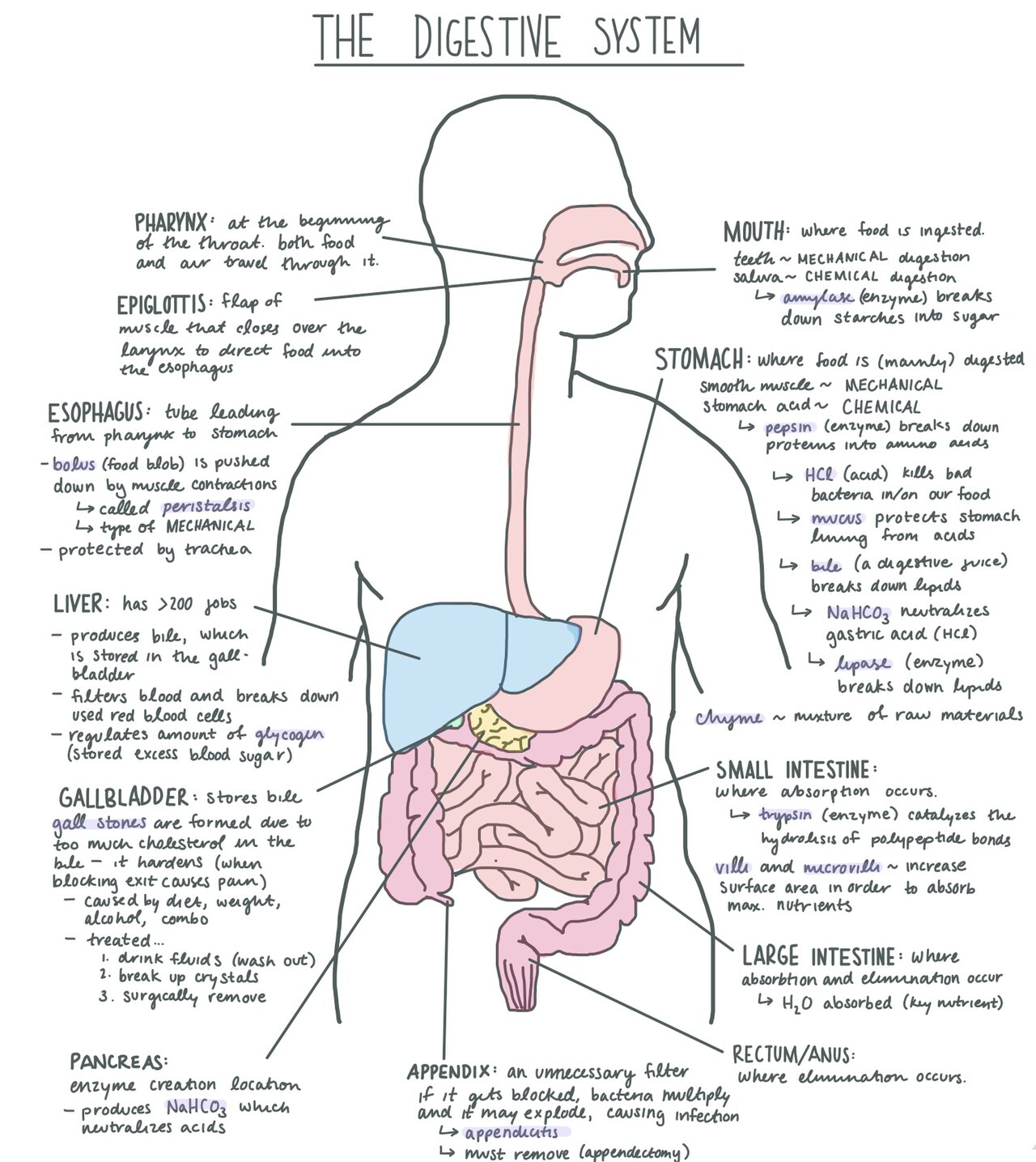
If your usual fiber intake is low, begin with one green kiwifruit daily for several days before moving to two. Keep fluid intake steady and avoid adding another new prebiotic at the same time. A sudden stack of fruit, inulin, and fiber powder can create gas that is wrongly blamed on the kiwi alone.
Record complete spontaneous bowel movements rather than counting every bathroom visit. Also note the Bristol stool type, straining, urgency, pain, and bloating. The goal is not simply more bowel movements. It is a comfortable pattern with formed stool and a feeling of complete passage.
People taking potassium restrictions for kidney disease should discuss daily fruit changes with their clinician. Kiwifruit is also not a substitute for evaluation when constipation begins suddenly, follows a new medicine, or occurs with bleeding, anemia, vomiting, fever, weight loss, or severe abdominal pain.
Use the fruit evidence for the fruit
Kiwifruit is promising because the studied intervention is ordinary and specific. Two green fruits daily produced useful improvements in controlled trials without requiring a proprietary blend. That makes the finding easier to apply than research on a product whose strain, extract, or enzyme activity is not disclosed.
Keep the claim narrow. Kiwifruit may improve constipation symptoms; it has not been shown to cure IBS, repair every microbiome imbalance, or remove the need for prescribed treatment. Whole fruit also contributes nutrients and water that an isolated actinidin capsule may not provide.
A practical close is simple: try one change, give it enough time, and keep a short symptom record. If two kiwifruit help without troublesome gas or allergy symptoms, the routine has earned its place. If they do not, the result is useful information for the next step.