Galacto-Oligosaccharides for IBS: Prebiotic Promise Meets a Sensitive Gut
GOS prebiotics can feed bifidobacteria, but IBS symptoms do not always follow microbiome changes. Here is what trials and dosing differences show.
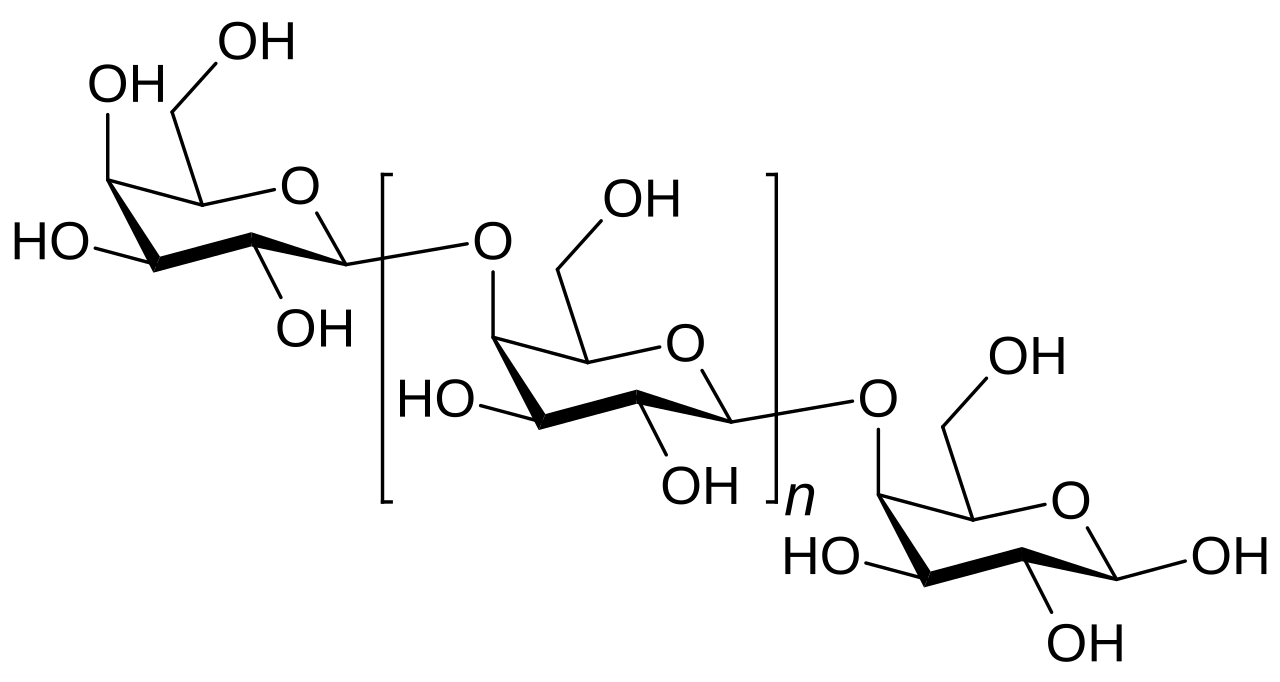
GOS can raise bifidobacteria and may help some IBS symptoms at selected doses, but it is fermentable and can also worsen gas. A slow, isolated trial is essential.
A prebiotic is food for microbes, not a symptom guarantee
Galacto-oligosaccharides, or GOS, are short carbohydrate chains designed to reach the colon and feed selected microbes. That sounds tidy, but an IBS gut can turn fermentation into pressure, gas or pain. A rise in bifidobacteria is a biological effect; it is not automatically the same as feeling better.
The distinction appears throughout prebiotic fiber guidance. Different chains are fermented at different rates, products use different mixtures, and a dose that looks small on a label may still be noticeable. GOS should be judged by the exact ingredient, amount and outcome—not by the word prebiotic alone.
What controlled IBS studies found
A randomized crossover trial of a trans-GOS mixture reported increases in bifidobacteria and improvements in some IBS symptoms at tested doses. Benefits were not identical at every dose, and the larger amount produced more flatulence. This dose pattern is useful because it challenges the idea that more prebiotic must be better.
Another randomized study added beta-GOS during a low-FODMAP diet. It found microbial effects, but symptom results need to be read in the context of the diet intervention. Trials use defined products for limited periods; they cannot establish that every GOS powder, gummy or fortified food will reproduce the same response.
Why FODMAP context matters
GOS are part of the fermentable carbohydrate family restricted during the initial phase of a low-FODMAP diet. That does not mean permanent avoidance. A low-FODMAP reintroduction plan deliberately tests tolerance after symptoms settle, because broad long-term restriction can reduce dietary variety and is hard to maintain.
People who react to beans may think an alpha-galactosidase enzyme is interchangeable with a GOS supplement. It is not. The enzyme acts on certain food oligosaccharides before they reach the colon, while supplemental GOS intentionally delivers fermentable substrate. One aims to reduce a food trigger; the other aims to feed microbes.
A cautious way to test GOS
Check the label for grams per serving and the specific GOS name. Start with less than the full amount if a clinician or dietitian agrees, keep other fiber supplements stable and hold the dose when bloating rises. An inulin dose-tolerance guide is useful background, but inulin and GOS are not dose-equivalent.
Record abdominal pain, bloating, stool frequency and stool form. A microbiome test is not required to decide whether a product makes daily life easier. If symptoms worsen consistently, reducing or stopping the product is a clearer experiment than adding another probiotic to counter it.
Who should pause before experimenting
Anyone with severe pain, vomiting, unexplained weight loss, bleeding or a major new bowel change should seek medical evaluation first. People on a medically restricted diet, with a history of bowel obstruction or with complex gastrointestinal disease should ask their care team before adding concentrated fermentable fiber.
For an ordinary IBS trial, keep expectations practical: GOS may shift microbes and may improve selected symptoms, but it can also create the exact gas you want to avoid. Comparing it with other fibers through a soluble-versus-insoluble guide helps match the tool to the problem rather than chasing a fashionable ingredient.
Labels may use terms such as trans-GOS, beta-GOS or galactooligosaccharides, and a blend may hide the exact amount inside a larger proprietary mixture. Prefer a product that names the ingredient and grams. If the serving also contains inulin, sugar alcohols or a probiotic, the trial no longer isolates GOS. Simpler labels make both benefits and unwanted fermentation easier to understand. A dietitian can help plan reintroduction when many foods already seem troublesome. Reassess after a defined trial instead of assuming a microbiome product must be taken forever. Comfort, stool pattern and ability to eat a varied diet are more useful outcomes than a marketing promise about good bacteria. Keep the decision personal and measurable.
A product that increases gas without improving the symptom you care about has not earned a permanent place in the routine.