Gut-Directed Hypnotherapy for IBS: What Digital Programs Can and Cannot Do
Digital gut-directed hypnotherapy has randomized trial evidence for IBS symptoms, but the program, comparator, adherence and diagnosis still matter.
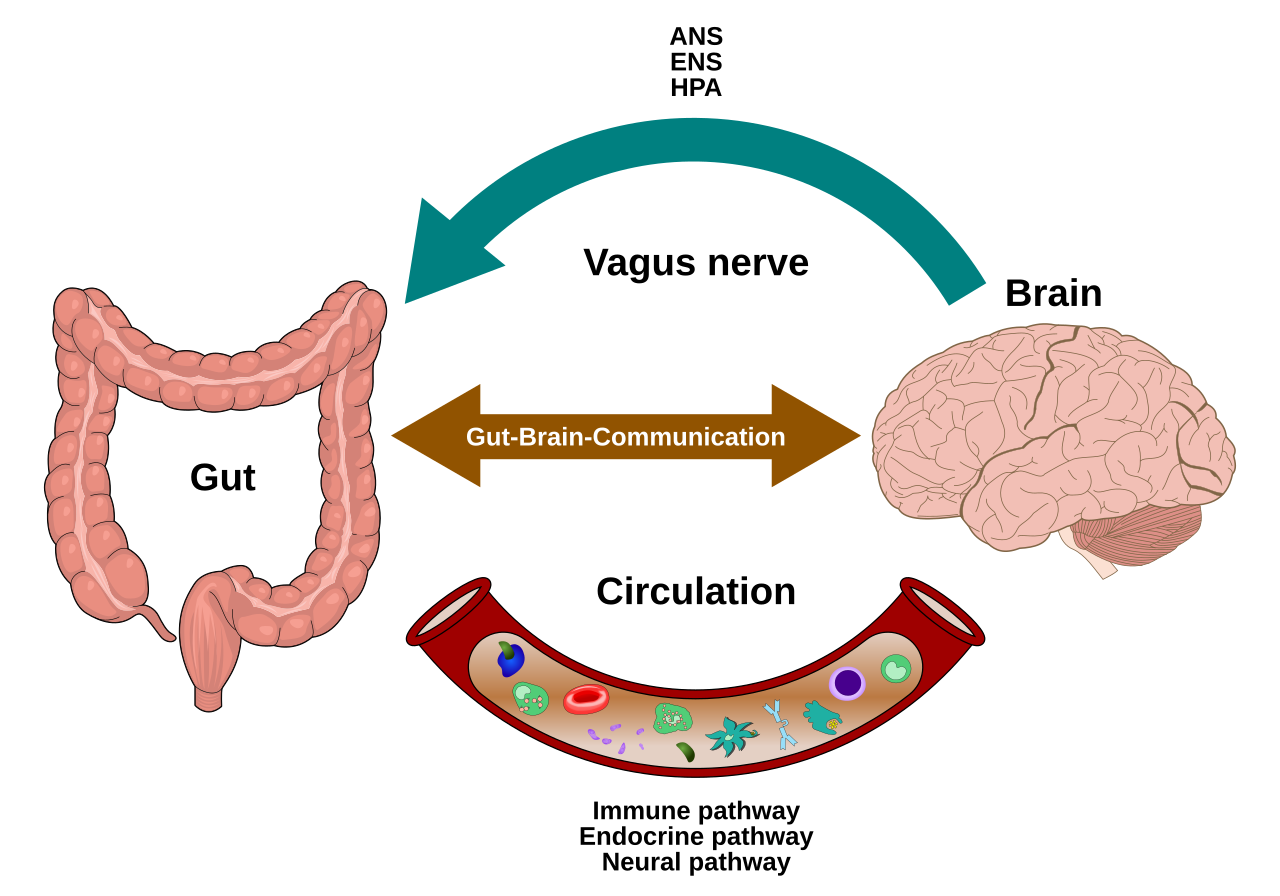
Structured digital gut-directed hypnotherapy can improve IBS symptoms for some users, but it is a skills program—not mind control, a diagnostic tool or a substitute for urgent medical care.
This is training for the gut-brain connection
Gut-directed hypnotherapy uses focused attention, relaxation and repeated suggestions aimed at digestive sensations and gut-brain signaling. You remain awake and in control. The goal is not to convince you that symptoms are imaginary; it is to change how the nervous system responds to signals such as pressure, urgency and pain.
That makes it different from a diet or supplement. IBS involves a disorder of gut-brain interaction, so a brain-gut treatment can be biologically relevant even when food triggers also matter. A low-FODMAP reintroduction plan addresses fermentable carbohydrates, while hypnotherapy addresses signaling and coping. Some people may use both under guidance.
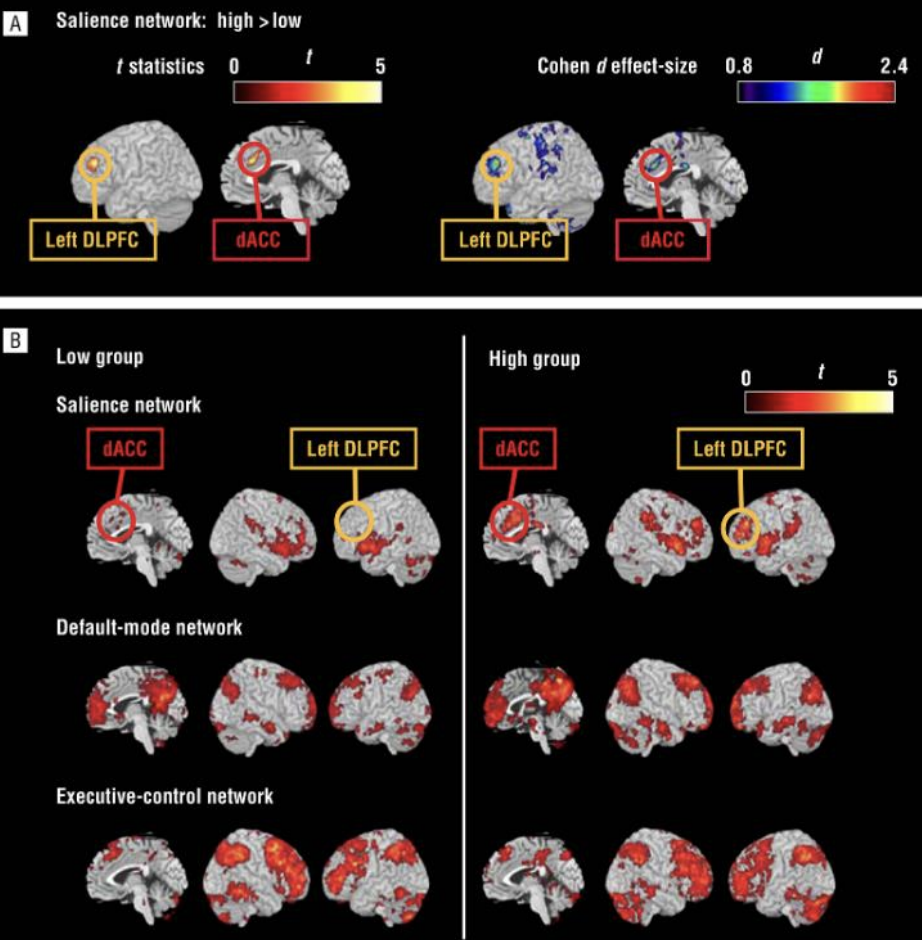
Randomized trials show a real but bounded signal
A randomized trial comparing gut-directed hypnotherapy with a low-FODMAP diet found durable improvements in gastrointestinal symptoms with both approaches, and hypnotherapy also improved psychological measures. It did not prove that every format works equally or that one recorded session is enough.
More recent randomized trials evaluated fully digital programs. One compared a digital gut-directed hypnotherapy program with digital progressive muscle relaxation; another studied an app-delivered program against a control condition. Both reported greater symptom improvement with the gut-directed program, supporting more than a general relaxation explanation.
Digital access changes the tradeoffs
An app can reduce travel, scheduling and the shortage of trained therapists. It can also make practice more consistent. The tradeoff is less individual tailoring. A therapist can respond to trauma history, panic, hearing needs or difficulty entering a focused state, while a prerecorded program follows the same path for everyone.
Adherence matters because these programs usually involve repeated sessions over weeks. Buying access is not the intervention; completing the sessions is. Compare the program length, privacy policy, cancellation terms and whether support is available. A peppermint-oil IBS guide covers a very different symptom tool and should not be treated as evidence for hypnotherapy.
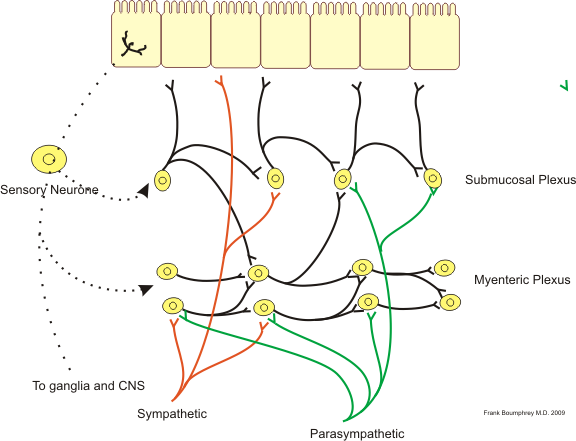
Set expectations before you begin
Look for a program specifically described as gut-directed and tested in people with diagnosed IBS. Ask what outcomes were measured, whether the research studied that exact program and how many participants completed it. Improvement in an IBS severity score does not mean all symptoms vanish or that dietary and medical care become unnecessary.
Track a small set of outcomes such as pain days, bloating, urgency and interference with work or sleep. Do not change fiber, diet, probiotics and medication during the same week unless a clinician directs it. An acacia-fiber trial guide can help if constipation is a separate target, but combining new interventions hides which one helped.
Know when an app is not enough
Get medical evaluation for bleeding, unexplained weight loss, fever, anemia, nighttime symptoms that are new, persistent vomiting or a major change in bowel habits. Hypnotherapy should follow a sound diagnosis. It cannot rule out inflammatory bowel disease, celiac disease, infection or cancer.
People with significant trauma, dissociation or severe mental-health symptoms may prefer clinician-led care and should discuss fit with a qualified professional. A glutamine and leaky-gut evidence guide also shows why diagnosis-specific context matters. For a typical IBS user, the next step is a structured, evidence-linked program and a realistic practice schedule—not a promise that one audio track will reset the gut.
Before paying, confirm whether access expires, whether sessions can be replayed and whether the company shares health data with advertisers. Choose a quiet, safe time when you are not driving. Headphones may help but are not required unless the program says so. If the exercises increase distress, stop and contact the program or a qualified clinician rather than forcing completion. A useful program should explain support, privacy and refund terms before checkout. Schedule sessions like appointments; inconsistent use makes the evidence harder to apply to your experience. Review progress at the program’s planned endpoint instead of judging it after one difficult day.
The best practical outcome is not perfect relaxation; it is less symptom interference and a skill you can use when gut signals become loud.