PureBlue review: online ED access with clearer answers about the everyday treatment routine
A review of PureBlue’s ED assessment, formulation choices, meal-related questions, pharmacy support, and the complete plan behind its online convenience.

Digestive health research on probiotics, prebiotics, fiber, the microbiome, strain-specific evidence, and supplement safety.
A review of PureBlue’s ED assessment, formulation choices, meal-related questions, pharmacy support, and the complete plan behind its online convenience.

A practical look at Lion’s Pride Rx’s ED service model, meal and medication questions, pricing, delivery, and the scope of its future offerings.
Alpha-galactosidase can reduce gas from specific fermentable carbohydrates, but meal timing, enzyme units, IBS sensitivity, and expectations matter.
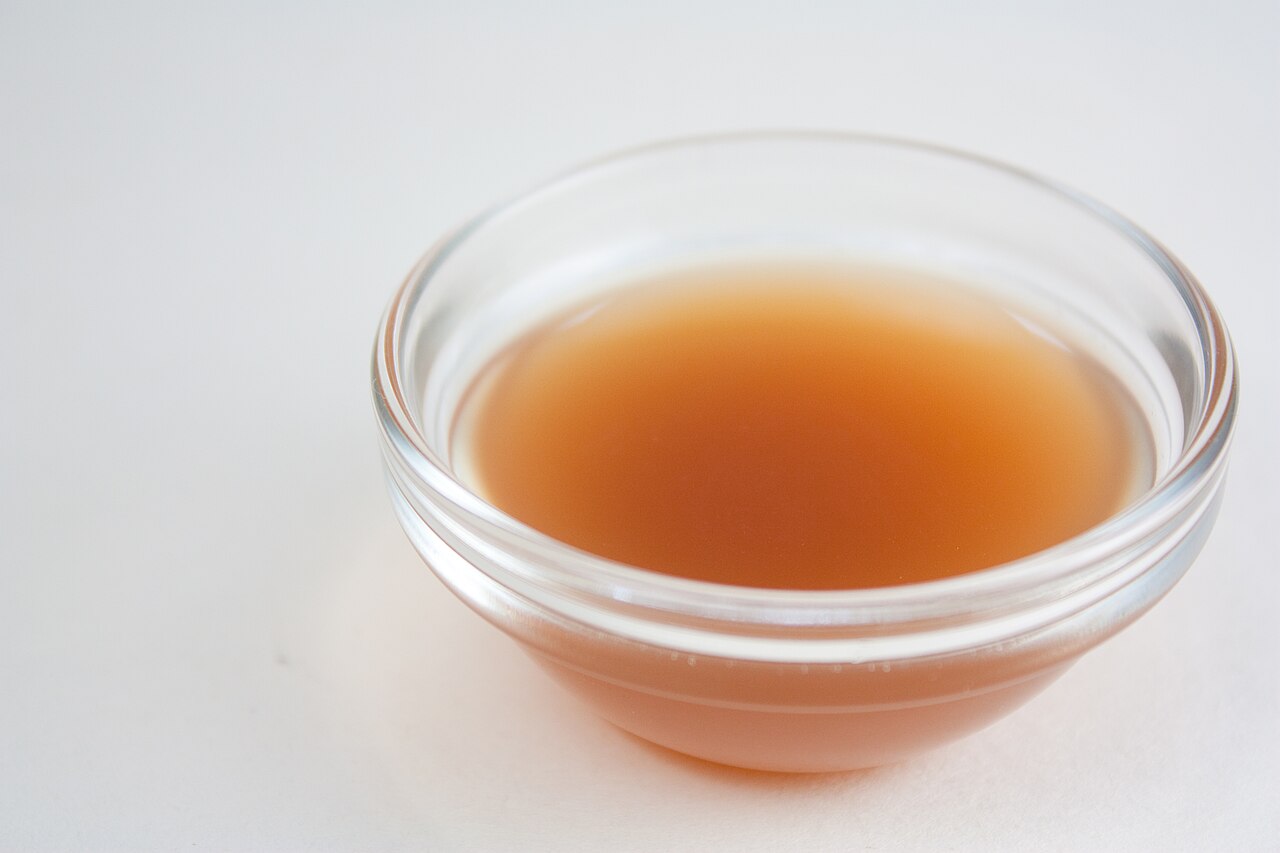
Apple cider vinegar may delay gastric emptying and can irritate the esophagus or teeth. Evidence does not support routine use as a reflux or digestion cure.
Artichoke leaf extract improved functional-dyspepsia symptoms in a controlled trial, but diagnosis, extract standardization, bile risks, and combinations matter.
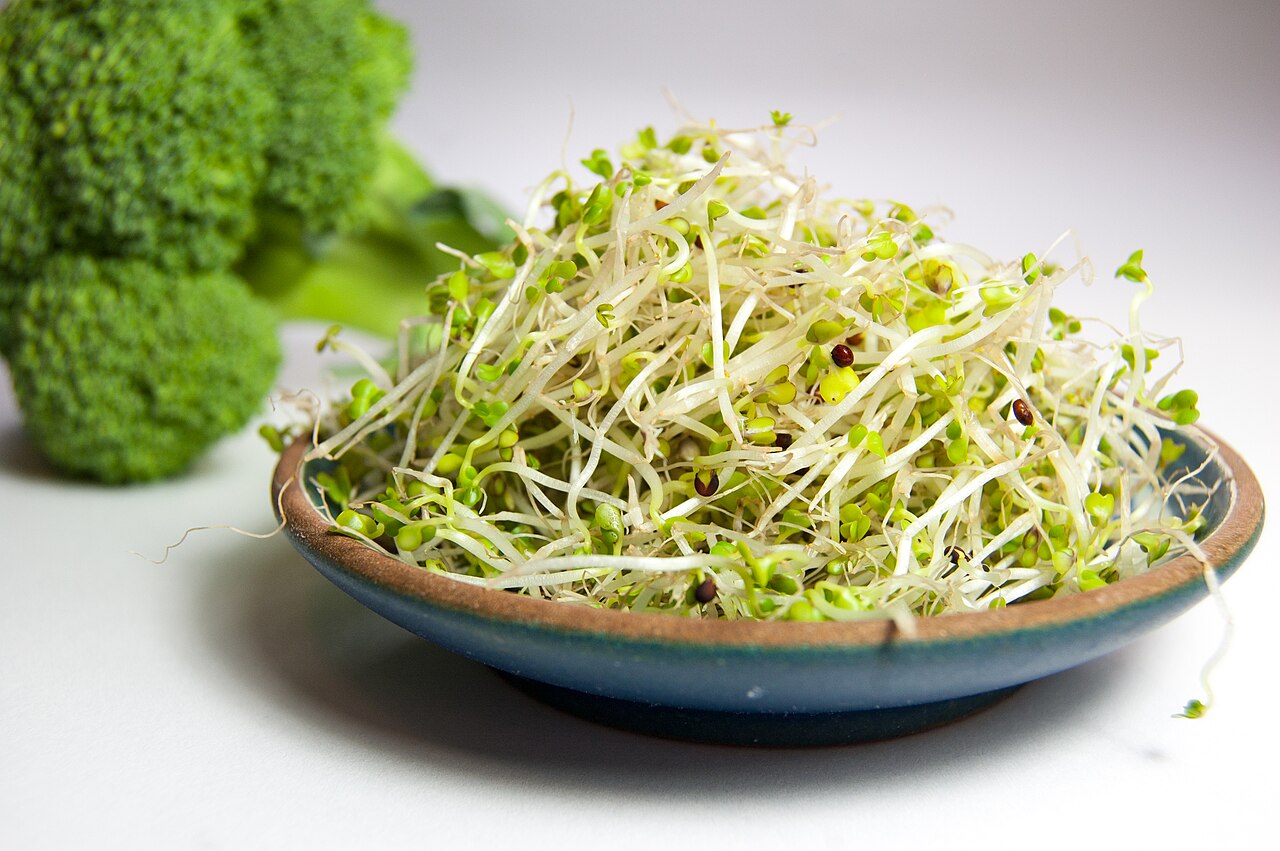
Sulforaphane-rich broccoli sprouts have changed H. pylori biomarkers in some trials, but inconsistent results do not replace antibiotic eradication therapy.
Collagen is marketed for gut lining support, but human digestive studies are sparse. Compare an open-label symptom study with a controlled exercise trial.
Deglycyrrhizinated licorice reduces a major safety concern, but evidence for reflux remains limited and product labels can obscure residual risk.
Herbal SIBO protocols are often compared with rifaximin, but the key study allowed treatment choice and used variable formulas and breath-test outcomes.
Activated-charcoal studies for intestinal gas conflict, while medicine binding and aspiration risks make routine detox use very different from emergency care.
Berberine commonly causes nausea, bloating, constipation, or diarrhea and can interact with medicines. Review dose, evidence, and higher-risk users.
Colostrum trials report changes in permeability markers, especially in athletes and ICU patients, but small samples and varied products limit claims.